
How To Cover Chef Sickness At Short Notice: A Strategic Guide for UK Hospitality
When your head chef calls in sick minutes before service, panic is not an option. This comprehensive guide provides actionable strategies, from internal contingency plans to leveraging a top-tier Catering Staff Agency, ensuring your kitchen remains operational and your reputation intact.
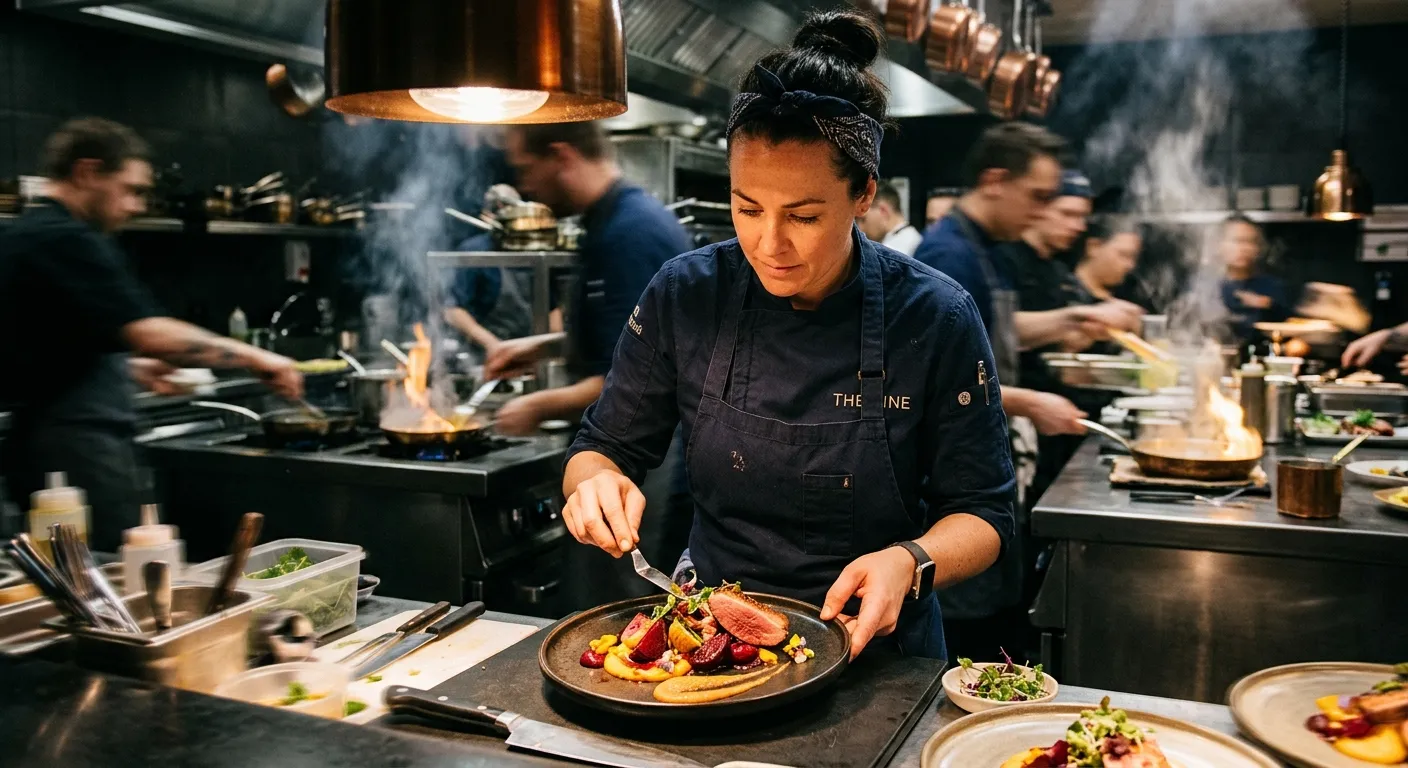
A sudden chef absence can cripple a restaurant, hotel, or event catering operation. The pressure to maintain food quality, speed of service, and team morale is immense. Knowing How To Cover Chef Sickness At Short Notice is a critical competency for any hospitality manager. This isn't just about filling a slot; it's about strategic workforce management. Whether you're a fine-dining establishment in London or managing large-scale Food Production Employment needs, the principles of rapid, reliable cover are universal.
This guide moves beyond simple reactive measures, exploring a proactive framework that blends internal resourcefulness with external expertise from specialized agencies, such as a Catering Staff Agency Leicester might rely on or the dynamic market for Temporary Chefs Brighton venues use during peak season. We'll dissect immediate actions, long-term solutions, and how to integrate flexible staffing into your core operational model.
Key Takeaways
- Develop a clear internal"Red Alert" contingency plan for chef absence.
- Build relationships with a specialized agency *before* a crisis hits.
- Simplify menus temporarily to reduce pressure on stand-in staff.
- Use technology for swift communication and streamlined onboarding.
Your Action Plan: Multi-Pathway Solutions
Leveraging Your Existing Team
Before looking outward, assess internal capability. A sous chef or senior chef de partie should be primed to step up. This requires cross-training and clear documentation of recipes and standards. Maintain an up-to-date"shadow chart" that outlines who assumes each role in an emergency. This internal pipeline is your first and most cost-effective line of defence when figuring out How To Cover Chef Sickness At Short Notice.
Pro-Tip:
Invest in a digital"Kitchen Bible" – a cloud-accessible folder with standardized recipes, plating photos, supplier contacts, and allergy matrices. This empowers any stepping-up internal chef or temporary hire to maintain consistency.
Partnering with a Specialist Agency
For sustained absence or specialized skill gaps, a recruitment partner is indispensable. A dedicated Catering Staff Agency Leicester or a Kitchen Staff Recruitment Agency In London has pre-vetted pools of talent. The key is to build the relationship before the crisis. Brief them on your kitchen culture, menu style, and key systems. This means when you call for a Temporary Chefs Brighton assignment, they aren't sending a generic CV but a professional who fits your specific need. This is a core principle of modern Recruitment Solutions.
Adapting Service & Kitchen Workflow
Tactical adjustments can bridge the gap. Consider a simplified"emergency menu" featuring your most robust and easily replicated dishes. This reduces pressure on temporary staff and minimizes errors. Re-deploy your most versatile team members—perhaps a senior Relief Cook from another department—to support core stations. Clear, calm communication with front-of-house is vital to manage guest expectations regarding potential wait times or limited offerings.
The Strategic Benefits of a Proactive Approach
Business Continuity Guaranteed
A clear plan prevents catastrophic service failure. You protect daily revenue, uphold your brand reputation, and avoid the negative reviews that stem from a disorganized response to staff shortage. This is as crucial for a restaurant as it is for Event Catering Staff managing a high-profile wedding.
Reduced Managerial Stress
Having a documented process removes the frantic 6 a.m. scramble. Managers can execute a known plan, communicating with agencies from a pre-approved list and focusing on team leadership rather than desperate cold-calling. This strategic foresight is a hallmark of effective Hotel Staffing Solutions.
Access to Vetted, Skilled Talent
A specialist agency doesn't just provide a body; they provide a qualified professional. Their screening process—covering skills, hygiene certifications, and right-to-work—mitigates your risk. This is the assurance you get when working with a reputable Temporary Catering Staff Agency, ensuring the individual can hit the ground running.
Building Your Culinary Talent Pipeline
The most resilient businesses don't just react—they prepare. Building a pipeline of trusted temporary chefs is an ongoing strategy. This involves more than saving a phone number; it's about creating a small pool of known, reliable professionals who understand your operation and are open to ad-hoc work.
Complement this with a strong agency partnership. Engage with a specialist Temporary Catering Staff Agency for a trial shift during a quieter period. This"test run" establishes a working relationship and gives the agency firsthand experience of your standards, making future emergency placements far more seamless. This proactive networking is as valuable in hospitality as it is in sourcing Warehouse Jobs for logistical support or specialized roles like a Gatwick Painter & Decorator for venue maintenance.
Pipeline Checklist
- Identify and document 2-3 internal successors for key chef roles.
- Cultivate a list of 3-5 freelance chefs you have personally worked with.
- Vet and establish accounts with at least two reputable catering recruitment agencies.
- Create and digitally store your"Emergency Operations" file (menus, contacts, procedures).
Navigating the Financial & Logistical Details
Understanding Costs & Contracts
Emergency cover has a cost premium, but it's an investment in business continuity. Agency temp rates will be higher than permanent staff salaries, factoring in the agency's margin, employer costs, and the urgency. Be clear on the billing structure—hourly, daily, or weekly. Ensure you have a signed agreement with any agency outlining terms, liability, and replacement guarantees. This financial clarity is as important here as it is when engaging Recruitment Outsourcing In Leeds for broader talent acquisition needs.
For internal cover, consider implementing a small"on-call" or"step-up" bonus for team members who assume higher responsibilities at short notice. This boosts morale and incentivizes readiness, creating a more resilient internal culture.
The Onboarding & Integration Sprint
A temporary chef arriving for a crisis shift needs a hyper-condensed onboarding. Designate a point person (sous chef or manager) for a 15-minute briefing covering: critical food safety/ allergen procedures, key menu items, kitchen layout, and team introductions. Provide the digital"Kitchen Bible" access immediately. The goal is functional integration, not a full company history.
Expert Insight:
"The difference between a good and great temporary placement is context. The more specific information you can give the agency—not just 'we need a chef' but 'we need a chef proficient in fresh pasta and able to lead a section of four'—the better the match. This is where niche expertise, like that of a dedicated Catering Staff Agency Leicester, truly shines." – Industry Recruitment Director.
Frequently Asked Questions
With a pre-established relationship with a specialist agency, you can often secure a qualified chef within 2-4 hours for immediate shifts the same day. For next-day or future coverage, the process is even smoother. Without an existing relationship, this timeline can extend significantly as the agency must first understand your business needs and vet availability.
A catering specialist, like those providing Temporary Chefs Brighton, deeply understands kitchen hierarchies, specific skills (saucier, pastry, grill), culinary terminology, and the unique pressures of a live service environment. They pre-screen for relevant experience, food hygiene certifications (Level 2/3), and often have chefs who own their own knives. A general agency may supply a"cook" without this nuanced understanding, increasing your on-site training burden during a crisis.
Absolutely. This is a key tactical move. Streamlining your menu for the duration of the cover removes complexity, reduces wait times, and maintains quality. Focus on 5-7 of your most popular and technically forgiving dishes. This is a standard practice in adaptive Head Chef management and is far better than offering the full menu with compromised execution.
Communication with your agency is vital. Brief them not only on skills but on your kitchen's working style—is it a high-pressure, fast-paced brigade, or a more collaborative, teaching environment? A good consultant will match personality as well as skill set. This level of service is what defines a true partner in Catering Recruitment, ensuring the temporary hire is a seamless addition to the team.
Don't Wait for a Crisis to Plan
The most successful hospitality businesses treat staff continuity as a core strategic pillar. By establishing your emergency protocols and partner network today, you transform a potential disaster into a manageable operational hiccup.
Secure Your Kitchen Cover NowPost your temporary chef requirement in minutes and get connected with pre-vetted professionals from our national network.
Case Study: From Crisis to Controlled Response
The Scenario
Venue: A 120-cover modern British restaurant in Manchester.
Crisis: Head chef and sous chef both fell ill with a 24-hour virus 3 hours before a fully booked Saturday night service, including two large party bookings.
Initial State: No formal contingency plan. The kitchen team of four CDPs was experienced but lacked clear leadership direction for the full menu.
The 5-Step Action Plan Executed
- 1
Immediate Internal Mobilization
The most senior CDP was appointed 'kitchen lead' with a temporary responsibility bonus. They held a 10-minute briefing with FOH managers to implement a simplified, 8-dish emergency menu derived from that night's prep list.
- 2
Activation of Agency Partnership
The GM called their pre-vetted Temporary Catering Staff Agency contact. Because the agency had the restaurant's 'Kitchen Bible' on file, they could immediately identify a available temporary sous chef with relevant experience who was on a train within 45 minutes.
- 3
Strategic Service Adjustment
FOH gently communicated the"special curated menu" to guests, framing it positively. Kitchen focus shifted to flawless execution of fewer items, turning tables efficiently despite the crisis.
- 4
Seamless Integration
The temporary sous chef arrived, was given a 15-minute tour and briefing using the digital recipe folder, and focused on managing the passe and supporting the internal 'kitchen lead'.
- 5
Post-Crisis Review
The following week, the management team debriefed, formalized the 'emergency menu', and added a second agency to their approved list, strengthening their Recruitment Solutions network for future resilience.
The Outcome:
Service ran with a 12% increase in average table turn time, but online reviews from that night specifically praised the"delicious, focused menu" and"calm, professional service". The temporary chef was re-hired for future holiday cover, and the internal CDP's successful leadership led to a promotion. The crisis cost a premium in agency fees but saved an estimated £8,000 in lost revenue and reputational damage.
Beyond the Kitchen: Coordinating with Front of House & Management
A chef's absence isn't contained to the kitchen. Its ripple effect impacts the entire operation. A strategic cover plan must include clear protocols for communication and role adjustment across all departments. This integrated approach is what separates a good response from a great one.
1. Front of House Briefing
Servers are your ambassadors to the guest. Arm them with a positive, unified script.
- Messaging:"Our head chef has curated a special focused menu tonight to ensure the highest quality and speed for you."
- Knowledge: Provide detailed allergen and ingredient info for the simplified menu.
- Managing Expectations: Brief them on any slightly extended course timing so they can pre-warn tables.
2. Management Role Re-alignment
The General Manager or Restaurant Manager's role shifts from oversight to active support.
- Act as the direct liaison between the temporary chef/agency and the business.
- Handle all logistical admin (timesheets, access, introductions) so the kitchen team can cook.
- Be physically present in or near the kitchen for the first hour of service to expedite problem-solving.
3. Supplier Communication
A temporary chef won't know your butcher's direct line. Proactive communication prevents delivery hiccups.
- Inform key suppliers that a temporary chef will be placing orders and to verify any unusual requests with management.
- Ensure the temporary chef has access to supplier lists and order schedules, a key part of your digital 'Kitchen Bible'.
- This level of operational detail is as crucial in a kitchen as it is for smooth Warehouse logistics in broader catering.
Technology Stack for Resilience: Tools to Automate Your Contingency Plan
Leveraging technology can drastically reduce your response time and administrative burden during a staffing crisis. Here are essential tools that form a modern hospitality resilience tech stack.
Cloud-Based Documentation
Platforms like Google Drive, Notion, or Microsoft OneDrive host your 'Kitchen Bible'. Ensure it includes: PDF recipes with photos, video guides for complex dishes, supplier portals, equipment manuals, and a digital version of your emergency plan. Share access with senior team members and your agency partner. This allows a temp chef to study the menu on their journey to your venue.
Staff Scheduling & Communication Apps
Tools like Rotaready, Deputy, or When I Work provide instant visibility on availability. In a crisis, you can immediately see which team members are off-duty but might be available for emergency overtime. Their broadcast messaging functions allow you to alert all relevant managers and staff to the situation and the enacted plan simultaneously.
Integrated Agency Portals
Many specialist agencies, including leading Catering Staff Agency Leicester providers, offer client portals. These allow you to submit booking requests digitally, view available candidate profiles with skills matrices, track timesheets, and access invoices 24/7. This formalizes the process and creates an audit trail, making it as efficient as managing permanent Food Production Employment records.
Quick-Response (QR) Code Systems
A simple but powerful tool. Place a QR code in the kitchen staff area that links directly to the emergency plan document and agency contact numbers. In the panic of the moment, a team member can scan the code and have all necessary information instantly on their phone, ensuring the first action is correct and swift.
The Legal & Compliance Checklist for Temporary Staff
Bringing in temporary staff carries specific legal and compliance responsibilities. Ensuring these are handled protects your business from significant risk. A reputable agency will manage most of this, but an informed client is a protected client.
Agency-Managed Responsibilities
- Right-to-Work Checks: The agency must verify and retain copies of original documents (passport, visa, etc.) before assignment.
- Employer Liability: For genuine temp contracts, the agency is the legal employer, handling PAYE, National Insurance, and statutory payments.
- Professional Indemnity & Insurance: The agency should hold relevant insurance covering their staff while on your premises.
Your On-Site Responsibilities
- Health & Safety Induction: You must provide a site-specific safety briefing covering fire exits, first aid, accident reporting, and any specific kitchen hazards.
- Food Safety Compliance: While the agency checks certifications, you are responsible for ensuring the temp chef works to your site's Food Safety Management System (e.g., Safer Food Better Business).
- Confidentiality & Conduct: Temporary staff should sign a confidentiality agreement if exposed to recipes or sensitive data, and are subject to your venue's code of conduct.
Note: Always request confirmation of these checks from your agency. For high-volume or long-term temporary placements, such as in Event Catering, consider a formal service level agreement (SLA) outlining these compliance guarantees.
Final Thought: Building a Culture of Resilience
Ultimately, knowing How To Cover Chef Sickness At Short Notice is less about a single document and more about fostering a culture where contingency is built into the operational mindset. It's about cross-training your team not as an extra duty, but as career development. It's about viewing agencies not as a cost, but as strategic partners in workforce flexibility. It's about leadership that remains calm under pressure because the groundwork has been laid. By implementing the strategies in this guide—from the internal 'shadow chart' to the vetted agency partnership—you don't just solve a staffing problem; you build a more robust, adaptable, and ultimately more successful hospitality business.