What Is A Relief Cook? The Complete Guide to Hiring Flexible Food Production Employment Talent
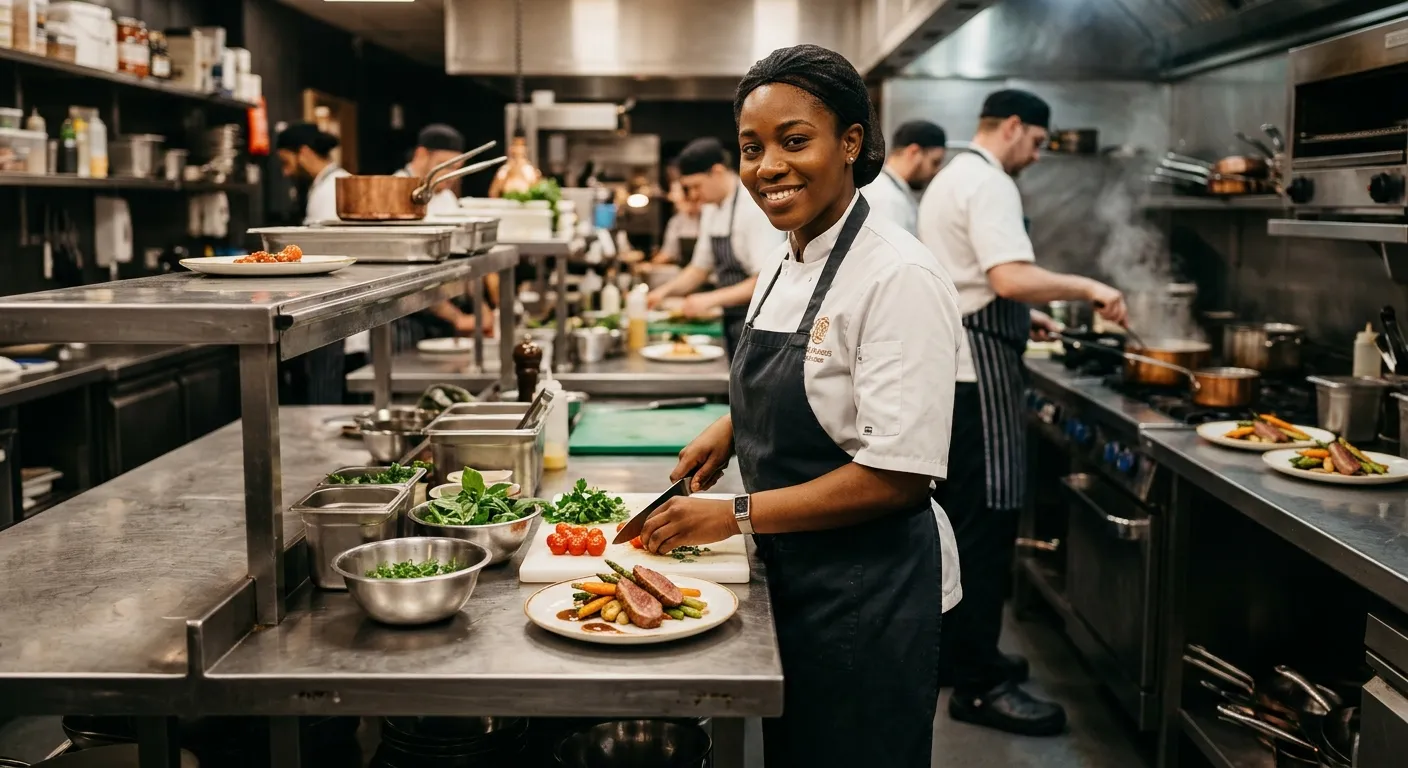
If you have ever asked, “What is a relief cook?” you are probably trying to solve a very practical staffing problem. Maybe a chef is off sick, a seasonal event is approaching, or your kitchen is growing faster than your payroll. A relief cook is a flexible food production professional who steps into a kitchen for a defined period to maintain service, support quality, and reduce operational stress. In today’s competitive hospitality market, understanding this role can help employers hire faster, control costs, and protect the guest experience.
Food production employment is not just about filling empty shifts. It is about building a resilient kitchen team that can respond to demand changes, staff absence, and peak trading periods. A relief cook can be a short-term stopgap, a temporary bridge while you recruit permanent staff, or part of a wider flexible workforce strategy. For restaurants, hotels, catering companies, schools, care homes, and event venues, relief cooks provide coverage, continuity, and confidence when it matters most.
Multi-Category Overview: What Is A Relief Cook in Practice?
The Simple Answer
A relief cook is a qualified or experienced kitchen professional who provides temporary or flexible cooking support. They may work for a single shift, several weeks, or an extended period while a permanent vacancy is filled. The key difference between a relief cook and a permanent chef is duration and flexibility. Relief cooks are often hired to maintain production standards when regular staff are unavailable, making them a vital part of Food Production Employment.
In many organisations, relief cooks are sourced through agencies or direct employment. They may be asked to adapt quickly to different menus, kitchen layouts, allergen procedures, and team cultures. For employers, this role reduces risk. For candidates, it offers variety, paid experience, and control over working patterns.
What Does a Relief Cook Actually Do?
Relief cooks perform many of the same tasks as permanent kitchen staff, but with a stronger emphasis on adaptability. They may prepare ingredients, cook dishes to spec, support line service, plate meals, clean workstations, and follow food safety protocols. In larger kitchens, they might rotate between sections, while in smaller venues they may take on broader responsibilities.
- Prepare meals according to set recipes, portion sizes, and service standards.
- Support food production during peak trading periods or staff shortages.
- Follow allergen controls, temperature checks, and hygiene procedures.
- Communicate with chefs, supervisors, and front-of-house teams.
- Assist with stock rotation, labelling, and kitchen organisation.
Where Are Relief Cooks Most Commonly Used?
Relief cooks appear in any environment where food must be produced consistently under pressure. They are especially valuable in high-volume or seasonal settings where staffing needs fluctuate. This includes restaurants, hotels, conference centres, schools, hospitals, care homes, stadiums, and contract catering sites.
Event-driven kitchens often rely on relief staff to absorb sudden demand spikes. A school term change, a new hotel banquet, or a short-term catering contract can all create immediate vacancies. Instead of hiring permanent staff too early, employers can use relief cooks to stabilise operations while they assess long-term requirements.
What to Check Before You Hire a Relief Cook
Effective hiring starts with clarity. Before posting a role, define the shift pattern, required experience, kitchen section, food safety standards, and any specialist skills such as catering for allergies, dietary menus, or large-volume production. This helps attract suitable candidates and reduces the chance of a mismatch.
Employers should also consider whether they need a general relief cook, a commis chef, a chef de partie, or a more senior temporary chef. If the vacancy involves leadership, menu development, or service supervision, a head chef may be more appropriate. If the need is immediate and operational, a relief cook may be the faster and more cost-effective solution.
Why Relief Cooks Matter to Modern Food Production Employment
Relief cooks are more than temporary cover. They help organisations manage labour costs, maintain consistency, and respond to unpredictable demand. For employers, the value lies in speed and flexibility. For the wider hospitality sector, they support resilience during staff shortages and seasonal peaks.
Fast Kitchen Coverage
Relief cooks can often be deployed within hours or days, helping kitchens continue service without disruption.
Cost Control
Temporary staffing can reduce overtime, lower long-term payroll commitments, and help manage budget volatility.
Team Stability
When one cook is absent, the whole line can feel the pressure. Relief staff help protect morale and workload balance.
Scalable Staffing
Seasonal events, new contracts, and busy trading periods become easier to handle when you can flex staff up and down.
Trial Before Permanent Hire
A relief cook can demonstrate reliability, skill, and cultural fit before a permanent offer is made.
Compliance Support
Reputable staffing providers help with vetting, training checks, and right-to-work documentation, reducing admin burden.
About Relief Cooks: More Than Just Temporary Cover
To understand what is a relief cook, it helps to look beyond the label. A relief cook is not simply a substitute. They are a professional who enters an unfamiliar kitchen and must quickly learn its rhythm, standards, and expectations. That requires technical competence, emotional intelligence, and operational discipline.
In many cases, relief cooks are hired because the permanent team is stretched. A chef may be on leave, a vacancy may be open, or production volume may have increased unexpectedly. In those moments, the relief cook becomes the stabilising force that keeps service running smoothly. This is why the role is so closely linked to Food Production Employment, where flexible staffing models are often essential to operational success.
Employers who use relief cooks well tend to see fewer service failures, better stock control, and improved team confidence. Instead of forcing permanent staff to absorb extra hours, the business can bring in capable support that protects quality and reduces burnout. That makes relief staffing a strategic decision, not just a reactive one.
Relief Cook vs Permanent Chef: Which One Do You Need?
Choose a Relief Cook When:
- You need immediate coverage for short-notice vacancies.
- Peak demand is temporary rather than structural.
- You want to test a candidate before a permanent offer.
- You need flexible hours across several sites.
- Budget certainty is more important than long-term continuity.
Choose a Permanent Chef When:
- The vacancy is ongoing and central to service delivery.
- You need menu development, leadership, or training continuity.
- The kitchen requires deep familiarity with brand standards.
- Long-term retention is a priority.
- You are building a stable culinary identity.
Pro Tip: If you are unsure whether to hire a relief cook or a permanent chef, ask yourself one question: “Is this role temporary support, or is it the backbone of my kitchen?” If it is the backbone, you may need a more senior permanent hire. If it is support, relief staffing is often the smarter first step.
Many employers combine both models. A permanent team provides culture and consistency, while relief cooks provide elasticity. This hybrid approach is especially common in event catering, contract catering, and hotels with fluctuating occupancy. If you are considering a more senior permanent appointment, our guide to Hire A Head Chef In 2026 can help you compare roles, costs, and hiring timelines.
Key Skills Employers Should Look For in a Relief Cook
The best relief cooks are not just technically skilled. They are adaptable communicators who can step into a new kitchen and contribute quickly without disrupting the team. When defining your job spec, focus on both hard skills and soft skills.
Hard Skills
- Knife skills and mise en place discipline
- Food safety and hygiene awareness
- Allergen handling and labelling
- Volume cooking and portion control
- Experience with commercial kitchen equipment
Soft Skills
- Fast adaptation to new systems
- Clear communication under pressure
- Reliability and punctuality
- Teamwork across different kitchen cultures
- Problem-solving during service
A strong relief cook should be able to read the kitchen environment quickly. They need to know when to follow instructions, when to ask questions, and how to prioritise tasks during a busy service. These traits matter because a relief cook often joins a team mid-flow, without the benefit of long onboarding.
Where Relief Cooks Add the Most Value
Relief cooks are useful in almost any food production environment, but they become especially valuable when demand is unpredictable or when staffing continuity is fragile. Venues that rely on consistent output, tight timelines, and high customer expectations benefit most from flexible kitchen support.
Hotels and Restaurants
In hospitality, a single absence can affect breakfast, lunch, and dinner service. Relief cooks help maintain standards across rotating shifts and seasonal peaks.
Contract Catering and Events
Large events, corporate catering, and short-term contracts often require rapid mobilisation. Relief cooks can be deployed to support set-up, production, and service.
Schools, Hospitals, and Care Homes
These settings demand strict dietary compliance, allergen control, and reliable meal delivery. Relief staff help protect continuity when permanent teams are under pressure.
New Openings and Site Transitions
When a kitchen is ramping up or changing operators, relief cooks can provide immediate production support while permanent recruitment continues.
If you are hiring across multiple sites, it is worth considering a trusted Catering Staff Agency. Agencies can pre-screen candidates, manage availability, and reduce the administrative burden of sourcing temporary talent. For short-term or project-based needs, a Temporary Catering Staff Agency can be particularly effective.
In high-pressure urban markets, speed matters. London kitchens, for example, often rely on rapid deployment models to keep service intact. If you are searching for flexible kitchen talent in that market, a Kitchen Staff Recruitment Agency In London can help you access vetted relief cooks with minimal delay.
How to Hire a Relief Cook Quickly and Confidently
Hiring a relief cook is different from hiring a permanent chef. The process needs to be faster, clearer, and more focused on immediate operational fit. Employers who succeed usually start by defining the minimum requirements needed to keep service running, then expand the specification only if necessary.
A Practical Hiring Framework
- Identify the gap: Is this a single shift, a weekly vacancy, or a longer temporary need?
- Define the section: Do you need prep, line cooking, catering, or general kitchen support?
- Set the standard: Specify hygiene expectations, allergen awareness, and required experience.
- Check availability: Relief hires often succeed when the employer is clear about dates and shift patterns.
- Use the right channel: Direct posting, agency support, or a hybrid approach can all work depending on urgency.
Pro Tip: When you post a relief cook role, include the start date, end date, shift times, and kitchen type. Candidates are far more likely to respond quickly when the role is specific and easy to understand.
If you want to hire flexible kitchen staff without slowing down your operation, you can post a role directly through Hire Staff Today. A clear, action-driven job listing helps attract reliable relief cooks who can step in fast and support your Food Production Employment needs.
For employers who want to compare temporary and permanent staffing models, our guide to Event Catering Staff provides additional insight into short-term hiring, service planning, and flexible deployment.
Video Insight: How Fast Staffing Works in Hospitality
Seeing the process in action helps employers understand why relief staffing is so effective. This short demonstration shows how kitchen support can be arranged quickly when a venue needs reliable people on the line without delay.
The key takeaway is simple: speed, clarity, and vetting matter. A strong staffing model allows employers to protect service standards while reducing the stress of last-minute gaps.
Frequently Asked Questions About Relief Cooks
Hire a Relief Cook Before Your Next Kitchen Gap Becomes a Service Problem
If you need flexible, reliable kitchen support now, posting a clear role is the fastest way to connect with skilled relief cooks. Strengthen your Food Production Employment strategy and keep your kitchen running smoothly.
Hire Staff TodayPost your role, define your shift, and get started with relief staffing that supports speed, quality, and operational confidence.

