Food Production Employment: Hire Skilled Staff Today Across the UK
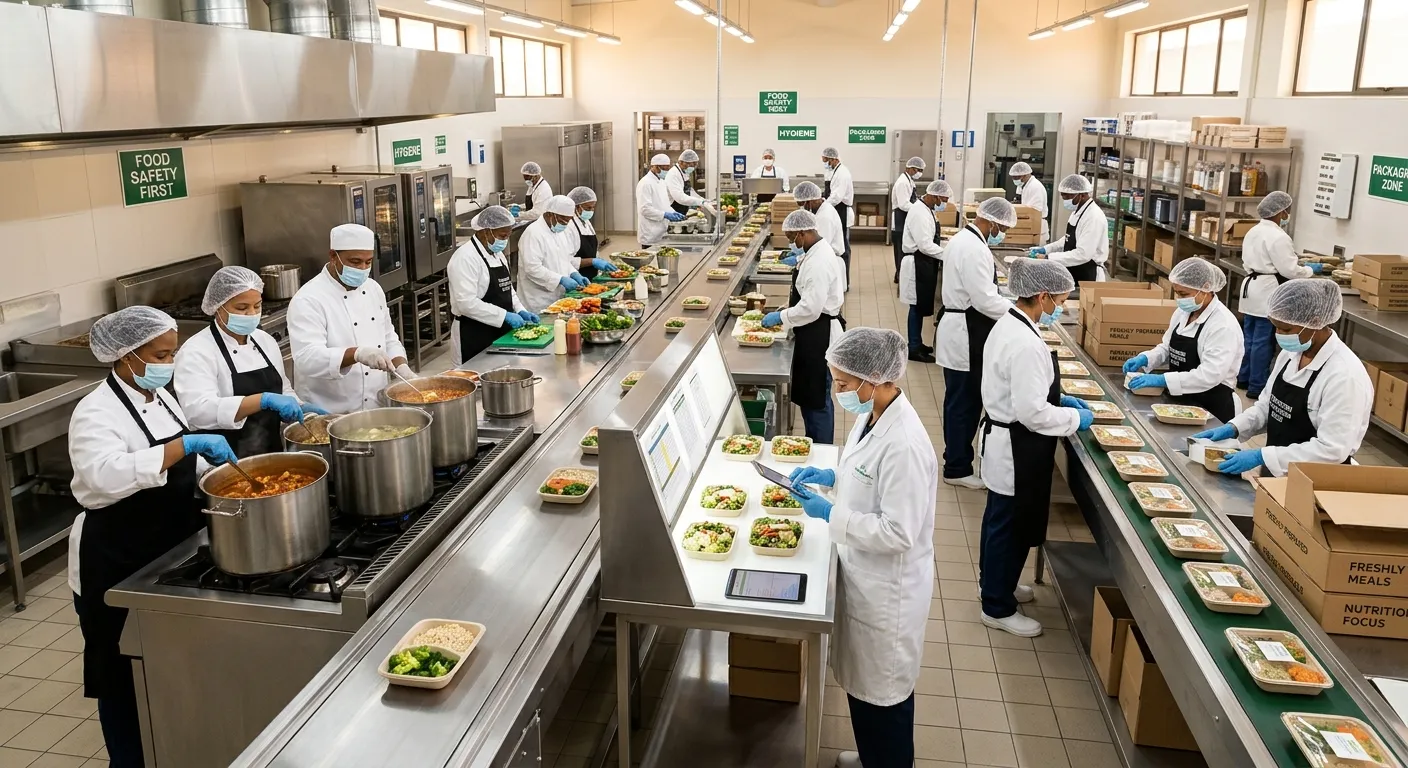
Food production employment sits at the centre of every reliable food supply chain, from busy factory lines and central production kitchens to catering operations, event venues, and hospitality businesses. When demand rises, seasonal peaks arrive, or staff leave without notice, the difference between smooth service and costly disruption often comes down to having the right people in place. This guide explains how employers can approach food production employment strategically, what roles matter most, how to use temporary and relief staffing, and what questions to ask before hiring. Whether you need to hire staff today or build a long-term workforce plan, the goal is simple: secure competent, compliant, and motivated food production employees who can keep operations moving.
About Food Production Employment and Why Hiring Is Changing
Food production employment covers the roles involved in preparing, manufacturing, cooking, packaging, checking, and delivering food safely and consistently. In the UK, employers face rising costs, tighter margins, skills shortages, and changing customer expectations. That is why many operations are moving beyond traditional permanent hiring and combining in-house teams with agency workers, relief cooks, and short-term production staff.
A well-run Catering Staff Agency can help employers access vetted candidates quickly, but internal planning still matters. Businesses that understand their demand patterns, shift structures, and compliance requirements are better placed to hire staff today without sacrificing quality. The goal is not simply to fill a vacancy; it is to build a workforce that can absorb change, maintain standards, and support sustainable growth.
Interactive Overview of Food Production Employment Categories
Food production employment is not a single job family. It includes manufacturing, cooking, packaging, quality control, and flexible staffing. Use the tabs below to explore the main categories and see how each contributes to a resilient workforce.
Manufacturing & Processing
This category includes production line workers, machine operators, packagers, warehouse food handlers, and supervisors. Food production employment in manufacturing depends on consistency, safety, and throughput. Employers need staff who can follow HACCP procedures, operate equipment, maintain hygiene standards, and work within tight shift patterns. During peak periods, companies often increase temporary staffing to avoid bottlenecks. The strongest manufacturers invest in induction training, clear role expectations, and reliable agency partners. If you are hiring for factory production, look beyond CV keywords and assess punctuality, adaptability, teamwork, and willingness to follow food safety rules.
Food & Beverage Production
This area covers chefs, kitchen porters, prep cooks, catering assistants, and event teams. It is often the most visible part of food production employment because it directly affects taste, presentation, and service speed. Catering businesses, schools, hospitals, hotels, and event operators need staff who can produce food at scale while maintaining quality. A reliable Event Catering Staff partner can help cover large functions, but employers should still define job roles, allergen responsibilities, and supervisory structures. For kitchens in London, a Kitchen Staff Recruitment Agency In London can shorten time-to-hire and provide candidates with relevant experience.
Relief & Temporary Cooks
Relief and temporary cooks are essential when permanent staff are absent, demand spikes, or a new contract starts before recruitment is complete. This part of food production employment is highly flexible and often supports central kitchens, care homes, schools, hospitality venues, and event caterers. The key is to provide relief workers with clear instructions, site-specific training, and access to the right equipment. Employers who treat temporary staff as part of the team, not as outsiders, usually see better consistency, lower churn, and stronger service recovery.
Compliance & Quality
Compliance is the foundation of safe food production employment. It covers allergen management, hygiene standards, HACCP systems, temperature control, record keeping, and audits. Temporary workers can meet these standards when they are properly screened and trained. For employers using agency staff, the Guide to Temporary Agency Work in Catering & Hospitality | UK 2026 is a useful reference for setting clear expectations. Quality assurance roles may include food technologists, production supervisors, and quality control inspectors, but every worker shares responsibility for safe handling and accurate reporting.
Key Benefits of Strategic Food Production Employment
When hiring is planned rather than reactive, employers gain control over cost, quality, and service reliability. The benefits extend far beyond filling shifts.
Faster Hiring Decisions
A clear role brief and pre-approved agency relationship reduce time-to-hire. Instead of chasing applicants, employers can place candidates quickly, especially when using a Temporary Catering Staff Agency for urgent shifts.
Lower Operational Risk
When staffing is predictable, compliance improves. Trained workers are less likely to cause allergen errors, hygiene breaches, or production delays. Strong onboarding and supervision protect both customers and the business reputation.
Better Staff Retention
Employees stay longer when expectations are clear, training is available, and work is fairly scheduled. Food production employment improves when temporary roles offer routes to permanent positions and when supervisors create respectful team cultures.
Core Roles That Power Food Production Employment
Every food production operation relies on a mix of hands-on workers, technical specialists, and supervisory leaders. Understanding these roles helps employers write better job descriptions, screen more effectively, and hire staff today with confidence.
Production Line Operators & Food Handlers
These employees move products along, operate machinery, pack items, and maintain cleanliness. They need stamina, attention to detail, and the ability to follow instructions. In food production employment, operators are often the backbone of throughput, so training and reliability matter more than formal qualifications alone.
Cooks, Chefs & Kitchen Teams
Kitchen staff prepare meals, manage service flow, and maintain hygiene standards. From prep cooks to head chefs, these roles require speed, consistency, and strong communication. When hiring, assess knife skills, allergen awareness, and ability to work under pressure.
Supervisors & Catering Managers
Supervisors coordinate teams, resolve issues, and protect service standards. They need leadership skills, commercial awareness, and the confidence to manage temporary and permanent staff. In food production employment, supervisors often determine whether a shift runs smoothly or collapses under pressure.
Quality & Compliance Specialists
Quality assurance staff check safety records, monitor processes, and support audits. They protect the business from recalls, fines, and reputational damage. For employers, the best food production employment strategy treats compliance as a shared responsibility, not a separate department.
Pro Tip: Write Role Briefs That Attract the Right People
Instead of generic job adverts, include shift patterns, key responsibilities, required certifications, and performance expectations. Clear briefs reduce no-shows, improve candidate quality, and make temporary placements more successful.
What Is A Relief Cook and Why It Matters in Food Production Employment
A relief cook is a trained kitchen professional who temporarily covers absences, seasonal demand, or short-term production needs. They may work in schools, hospitals, hotels, event catering operations, central kitchens, or food manufacturing sites. Unlike permanent staff, relief cooks are hired for flexibility, but they must still deliver the same standards of hygiene, food safety, and quality.
The phrase What Is A Relief Cook often comes up when employers need to fill gaps quickly without long-term commitments. Relief cooks can be self-employed, agency workers, or part of a flexible staffing pool. They usually bring experience from multiple sites, making them useful in busy periods. However, success depends on clear handovers, site-specific training, and realistic expectations about supervision.
In food production employment, relief cooks help businesses avoid service failures. A sudden absence in a school kitchen or care home can affect hundreds of meals. A relief cook can keep the operation running while the employer recruits a permanent replacement. For best results, employers should maintain a short list of trusted relief candidates, provide written allergen and recipe information, and offer competitive rates for urgent shifts.
Watch: How to Hire Temporary Workers at Short Notice
This video explains how employers can access vetted temporary workers quickly, reduce hiring pressure, and maintain service standards during peak demand.
Practical Recruitment Strategies for Food Production Employment
Effective hiring in food production employment requires speed, screening, and structure. The following strategies help employers fill roles efficiently while maintaining quality and compliance.
1. Define the Role Before Posting
Identify whether the role is production, kitchen, packaging, supervision, or quality assurance. Specify shift length, physical demands, allergen responsibilities, and required certifications. A clear brief reduces mismatches and helps candidates self-select.
2. Use Agency Partners for Urgent Demand
When time is critical, a specialist staffing partner can provide pre-screened workers within hours. This is especially useful for relief cooks, kitchen porters, event caterers, and production operators. Agencies also help employers manage compliance paperwork, reducing administrative burden.
3. Test for Practical Skills
CVs rarely show how someone performs in a busy kitchen or factory. Use short practical assessments, scenario questions, or trial shifts where possible. For cooks, test knife skills and allergen awareness. For operators, test attention to detail and ability to follow standard operating procedures.
4. Build a Talent Pool
Food production employment improves when employers keep in touch with good candidates. Maintain a shortlist of reliable temporary staff, relief cooks, and seasonal workers. This reduces recruitment time during unexpected absences or peak demand.
Compliance, Training, and Retention in Food Production Employment
Compliance is not optional in food production employment. All staff, including temporary workers and relief cooks, must understand hygiene, allergen management, temperature control, and safe handling procedures. Employers are responsible for ensuring workers are competent before they begin production tasks.
Training should be practical and site-specific. A worker may know basic food hygiene but still need guidance on a particular allergen matrix, packaging line, or kitchen layout. Induction should cover fire safety, manual handling, PPE, reporting procedures, and quality standards. When training is clear, employees feel more confident and are less likely to make errors.
Retention also depends on culture. Food production roles can be physically demanding and often involve early starts or late finishes. Employers who offer fair scheduling, respectful supervision, and recognition for good work tend to keep staff longer. Temporary roles can become permanent pathways, giving employers a trusted workforce while reducing recruitment costs over time.
Expert Insight: Make Compliance Part of the Hiring Brief
Ask about food hygiene certificates, allergen training, and previous site experience during screening. This protects your business and makes temporary placements safer from day one.
Frequently Asked Questions About Food Production Employment
Food production employment refers to jobs involved in preparing, manufacturing, cooking, packaging, checking, and delivering food. It includes roles in factories, kitchens, catering operations, event venues, and hospitality businesses. The focus is on safe, consistent, and efficient production.
A relief cook is a trained kitchen professional who temporarily covers staff absences, seasonal peaks, or short-term production demand. Relief cooks must still meet hygiene, allergen, and quality standards. They are valuable in food production employment because they help maintain service continuity.
Employers should prepare clear role briefs, maintain a talent pool, and work with a trusted staffing partner. For urgent shifts, agency workers and relief cooks can be placed quickly. Practical screening and compliance checks should happen before the worker starts.
Yes, when managed properly. Temporary staffing can cover peaks, sickness, and short-term contracts. The key is choosing experienced workers, providing site-specific training, and ensuring compliance. Many temporary staff later become reliable permanent employees.
Food hygiene training, allergen awareness, right-to-work checks, health and safety induction, and site-specific policies are essential. Employers should also verify experience for specialist roles such as cooks, machine operators, and supervisors.
Hire Food Production Staff Today
Whether you need production operators, kitchen teams, relief cooks, or supervisors, the right staffing strategy helps you keep service reliable and compliant. Post your role now and connect with vetted food production employment candidates ready to work.
Post a Job & Hire Staff Today
