Mastering Head Chef Employment: A Strategic Guide to Hiring Culinary Leaders in 2026
Discover the proven strategies, essential skills, and expert insights required to successfully navigate the competitive landscape of Head Chef recruitment and secure the visionary talent needed to drive your kitchen's success.
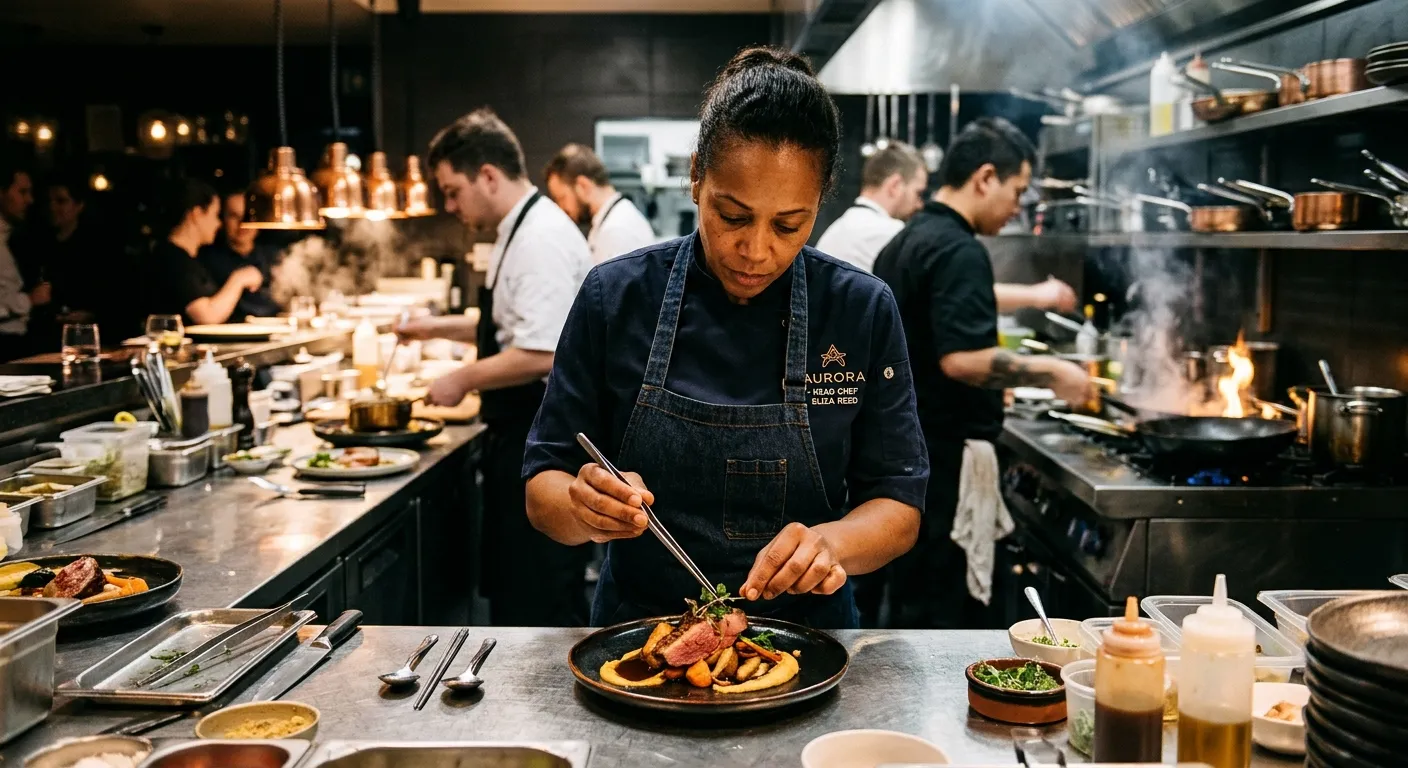
The Art & Science of Head Chef Recruitment
Securing the right Head Chef is more than just filling a vacancy; it's about appointing a culinary director, a business leader, and a team motivator all in one. In today's dynamic hospitality market, the competition for exceptional talent is fierce. This comprehensive guide delves into every facet of Head Chef Employment, from crafting the perfect job description to onboarding your new kitchen commander. Whether you're a Michelin-starred restaurant, a bustling hotel, or an innovative catering company, understanding the nuances of this critical hire is paramount to your operational and financial success.
The role has evolved beyond cooking excellence. Modern Head Chefs are expected to manage P&L statements, innovate menus that drive profitability, lead diverse teams, and uphold stringent health and safety standards—all while maintaining creative flair. Partnering with a specialized kitchen staff recruitment agency can provide a significant advantage, offering access to pre-vetted talent and deep industry networks. Similarly, for those seeking a Pastry Chef Position, the recruitment principles of seeking creativity, precision, and management skill remain equally vital.
Navigating Head Chef Employment: A Multi-Category Overview
Explore the key pillars of successful Head Chef hiring through our interactive guide below.
The Non-Negotiable Skillset of a Modern Head Chef
While culinary mastery is the foundation, today's Head Chef must be a polymath. Look for candidates who demonstrate a balance of hard and soft skills.
Leadership & Management
Beyond delegating tasks, a Head Chef must inspire, mentor, and resolve conflicts. They are responsible for scheduling, training, and fostering a positive, productive kitchen culture that reduces turnover—a common challenge highlighted in resources like our hotel staffing solutions guide.
Business & Financial Acumen
Profitable menu engineering, inventory control, waste reduction, and understanding food cost percentages (typically 28-35%) are critical. The ability to manage a budget and contribute to the venue's profitability is what separates a chef from a Head Chef.
Creativity & Innovation
The menu is the heart of the operation. A great Head Chef continuously develops new dishes, sources seasonal and sustainable ingredients, and adapts to culinary trends while maintaining the establishment's brand identity.
Operational Excellence
Deep knowledge of health, safety, and hygiene regulations (HACCP), kitchen workflow optimization, and supplier management is non-negotiable. This ensures consistency, safety, and efficiency during peak service, much like the precision required for event catering staff.
A Step-by-Step Guide to the Head Chef Hiring Process
A structured, thorough process is essential to avoid costly mis-hires. This journey often begins long before the interview stage.
- Needs Analysis & Job Description: Define not just the role's duties, but the strategic impact you need. Incorporate keywords like Head Chef Employment and specific skill requirements. A vague description attracts vague candidates.
- Sourcing Talent: Utilize niche job boards like our Chef portal, professional networks (like LinkedIn), industry referrals, and specialized agencies. For urgent needs, consider the model used for urgent short-term catering jobs but adapted for permanent leadership.
- Screening & Practical Assessment: Go beyond the CV. A staged cooking trial or menu planning exercise is invaluable. For a Pastry Chef Position, this might involve creating a signature dessert under time constraints.
- In-Depth Interviews: Conduct panel interviews involving the General Manager, F&B Director, and possibly key kitchen staff. Focus on behavioral questions ("Tell me about a time you handled a major kitchen crisis") and cultural fit.
- Reference & Background Checks: Verify employment history, qualifications, and speak to previous employers about leadership style and achievements. This due diligence is as crucial as the vetting for counter terrorist cleared roles in sensitive sectors.
- Offer & Negotiation: Present a competitive package including salary, bonuses, benefits, and clear professional development opportunities. Be prepared to negotiate; top talent knows their worth.
- Structured Onboarding: A proper induction plan integrates the new Head Chef into the business, introduces them to the team and suppliers, and sets clear 30/60/90-day goals.
Keeping Your Culinary Leader: Proven Retention Strategies
Hiring a Head Chef is a major investment; retaining them is where the real ROI is realized. The high-pressure environment makes retention a constant focus.
Career Progression & Autonomy
Top chefs are driven by creativity and growth. Offer a clear path for advancement, whether towards Executive Chef, F&B Director roles, or group-level positions. Grant them significant menu autonomy within budgetary and brand guidelines. This sense of ownership is a powerful motivator.
Competitive & Transparent Compensation
Salary should be benchmarked against the market. Include performance-based bonuses tied to food cost, kitchen profitability, guest satisfaction scores, and team retention. Consider benefits like private healthcare, pension contributions, and wellness programs to stand out.
Work-Life Balance & Support
The notorious hours of a kitchen can lead to burnout. Implement realistic rotas that allow for adequate rest, encourage taking full holiday entitlement, and provide a supportive senior management team. Investing in a strong Sous Chef and kitchen management team can alleviate operational pressure on the Head Chef.
Continuous Investment
Fund opportunities for professional development: attending culinary festivals (e.g., BBC Good Food Show), supplier tours, or management training courses. This demonstrates a commitment to their growth, similar to the investment in talent advocated in recruitment solutions for other sectors.
Head Chef Employment Trends Shaping 2026 & Beyond
The landscape of culinary leadership is rapidly evolving. Employers must adapt to these key trends to attract forward-thinking talent.
1 The Rise of the 'Green Chef'
Sustainability is no longer a niche concern but a core operational and marketing imperative. Chefs with proven expertise in zero-waste cooking, local sourcing, plant-forward menus, and ethical supply chains are in extremely high demand. Candidates will expect employers to have robust sustainability policies.
2 Technology & Data-Driven Kitchens
Proficiency in kitchen management software (like KitchenCut or MarketMan), inventory apps, and data analytics to track menu performance is becoming standard. Understanding how AI can optimize ordering and reduce waste is a growing differentiator, a trend explored in our video on AI in recruitment.
3 Mental Health & Inclusive Cultures
The industry is confronting its historical culture of pressure and toxicity. Employers who champion mental wellbeing, foster respectful, inclusive environments, and provide access to support services will attract and retain a higher caliber of leader. This shift is as transformative as modern recruitment outsourcing strategies.
4 Hybrid Culinary Roles
The lines between restaurant, catering, and retail are blurring. Head Chefs may now be required to manage a restaurant kitchen, develop ready-meal ranges, and lead cooking demos for retail partners. Adaptability and multi-venue experience are increasingly valuable.
Why Perfecting Head Chef Employment is Your Ultimate Business Advantage
A strategic hire at the Head Chef level delivers measurable benefits across your entire operation.
Direct Profitability Impact
A skilled Head Chef directly controls your largest variable cost: food. Through intelligent menu engineering, waste reduction, and supplier negotiation, they can improve gross profit margins by 5-10% or more, directly boosting your bottom line.
Brand Reputation & Awards
A creative and consistent Head Chef builds your venue's reputation, drives positive reviews, and can attract culinary awards and features in prestigious guides. This marketing value is immense and far exceeds the cost of their salary.
Team Stability & Lower Turnover
A good leader retains staff. Reduced kitchen turnover saves thousands in recruitment and training costs, maintains consistency, and improves morale. This stability is critical, much like the reliable staffing needed for large-scale projects such as Winter Wonderland events.
Risk Mitigation & Compliance
An experienced Head Chef ensures strict adherence to HACCP and health & safety regulations, protecting your business from costly fines, closures, or reputational damage due to food safety incidents. Their vigilance is your operational insurance.
Operational Efficiency
They optimize kitchen workflows, implement effective prep systems, and manage service seamlessly. This leads to faster table turnover, better customer experiences during peak times, and reduced stress for the entire team—benefits echoed in efficient warehouse operations where process is king.
Innovation & Market Adaptability
A forward-thinking Head Chef keeps your offering fresh and competitive. They can quickly develop new menus for seasonal changes, dietary trends (vegan, gluten-free), or special events, ensuring your business remains relevant and exciting in a fast-paced market.
Expert Pro-Tip
Look Beyond the Michelin Star: While a star on a CV is impressive, it doesn't automatically equate to a good business leader. A chef from a high-volume, profitable gastropub or a successful catering company like Absolute Taste may have more relevant experience in cost control and team management for your specific operation than a chef from a low-volume, loss-leading fine-dining temple.
Always align the candidate's proven experience with your business model's unique demands and pressures.
Crafting the Compelling Head Chef Job Description & Interview Framework
Your job description is your first point of contact with potential candidates. It must sell the opportunity while being brutally honest about the challenges. For a Pastry Chef Position, the same principles apply but with a focus on patisserie-specific skills and creativity.
Essential Elements of a Winning Job Description
- A Powerful Introduction: Start with a vision. Describe your restaurant's ethos, cuisine style, and team culture. What makes this role unique?
- Clear, Quantifiable Responsibilities: Go beyond"run the kitchen." Specify:"Manage a team of 12,""Achieve and maintain food cost below 32%,""Develop seasonal menu changes quarterly,""Maintain a 5-star EHO hygiene rating."
- Detailed Person Specification: List essential vs. desirable skills. Essential might be"5+ years in a senior chef role,""Level 3 Food Hygiene,""Proven P&L management." Desirable could be"Experience with [specific cuisine],""Menu development for retail."
- Transparent Offer: State the salary range (this increases application rates), highlight benefits (bonus scheme, staff meals, development budget), and mention work-life balance initiatives.
- SEO for Candidates: Naturally include keywords like Head Chef Employment,"Head Chef jobs in [Location],""Sous Chef progression," to ensure your ad is found by the right people searching on platforms like our catering jobs board.
The Interview & Trial: Separating Hype from Skill
Stage 1: The Culture Interview. Conducted by senior management. Focus on values, leadership philosophy, and long-term goals. Ask:"How do you handle conflict between senior and junior chefs?" or"Describe your approach to mentoring a struggling commis."
Stage 2: The Practical 'Stage'. This is non-negotiable. Pay the candidate for their time. Provide a brief (e.g.,"Create a three-course seasonal menu using this mystery basket") and observe not just the final dishes, but their organization, communication with your existing team, cleanliness, and time management. For a Pastry Chef, the brief should be patisserie-focused.
Stage 3: The Business Interview. Led by the GM or Finance Manager. Present real (anonymized) data: a P&L extract, a supplier list, a menu with poor-performing dishes. Ask for their analysis and proposed actions. This reveals their commercial thinking.
Onboarding: The First 90 Days Are Critical
A structured onboarding plan prevents the new Head Chef from feeling overwhelmed and sets them up for success.
Days 1-30
Integration & Observation. Meet key staff and suppliers. Learn existing systems, menus, and routines without immediate major changes.
Days 31-60
Analysis & Planning. Conduct a full kitchen audit. Present a 90-day plan with proposed changes, costings, and team development ideas to management.
Days 61-90
Implementation & Review. Begin rolling out approved changes (e.g., a new menu section, a revised prep schedule). Hold a formal review with management to assess progress and adjust goals.
Frequently Asked Questions on Head Chef Employment
Your essential questions about hiring and working as a Head Chef, answered by industry experts.
What is the average salary range for a Head Chef in the UK?
Salaries vary dramatically based on location, venue type (pub vs. Michelin-starred restaurant), and business turnover. As of 2026, a typical range is £38,000 - £55,000 per annum. In top London establishments or high-profile hotels, this can rise to £65,000+. It's crucial to benchmark against similar roles in your area and consider the total package, including performance bonuses (often 10-20% of base salary), tips/tronc, and benefits like private healthcare and pension contributions. For more localized data, explore opportunities in specific regions like Wolverhampton or Nottingham.
How long does the Head Chef recruitment process typically take?
For a permanent Head Chef role, you should allocate a minimum of 6-8 weeks from advertising to a signed contract. This allows for a two-week advertising period, one week for initial screening, two weeks for coordinating interviews and practical stages (respecting candidates' notice periods), and one week for reference checks and offer negotiation. Rushing this process is a common cause of mis-hires. For urgent interim cover while you recruit permanently, a temporary catering staff agency can often provide a suitable senior chef within days, as seen in models for urgent driving roles.
What are the biggest red flags when interviewing a Head Chef candidate?
Key warning signs include: 1) Inability to discuss food costs: If they can't articulate how they manage GP%, it's a major concern. 2) Negative talk about previous teams/employers: While venting is human, a pattern of blame is telling. 3) Lack of curiosity: They don't ask deep questions about your business, your challenges, or your team. 4) Unwillingness to do a paid practical trial. 5) Vague answers on menu creation: Can't explain the inspiration, costing, or thought process behind their dishes. 6) High job mobility: Multiple jobs held for less than 18 months without a clear, positive reason (e.g., promotion, relocation).
Should I hire a Head Chef directly or use a recruitment agency?
This depends on your internal resources, time, and network. Direct hiring saves agency fees (typically 15-25% of annual salary) but requires significant time for advertising, screening, and initial vetting. Using a specialized hospitality agency provides access to a pre-qualified talent pool, handles time-consuming administrative tasks, conducts preliminary interviews, and often offers a guarantee period (e.g., 3-6 months) for replacement if the hire doesn't work out. For such a critical hire, many businesses find the expertise and risk mitigation offered by a specialist like a catering recruitment partner invaluable. They understand the nuances of the role that generalist recruiters may miss.
How does hiring for a Pastry Chef Position differ from a Head Chef role?
While both require leadership and skill, the focus shifts. For a Pastry Chef Position, the practical assessment is paramount—expect a detailed patisserie trial focusing on technical precision, decoration, and creativity across bread, viennoiserie, plated desserts, and potentially chocolate work. Business acumen is still important but may be more focused on the specific cost control of high-value ingredients (chocolate, nuts, vanilla) and managing a smaller, specialized team. The interview should probe their knowledge of trends in patisserie, dietary-specific creations (vegan, gluten-free), and how they balance artistic vision with production consistency for high-volume service, similar to the balance needed in large-scale catering operations.
Ready to Hire Your Culinary Visionary?
Stop searching and start building your kitchen's future. The perfect Head Chef is out there, and we provide the platform and expertise to connect you. Whether you're filling a critical Head Chef Employment vacancy or a specialized Pastry Chef Position, your next hire begins here.
Need expert guidance? Our dedicated team specializes in hospitality recruitment and is ready to help you navigate this crucial hire.

