
Strategic Staff Food Production Solutions: Hire Expert UK Talent & Build Your Dream Team
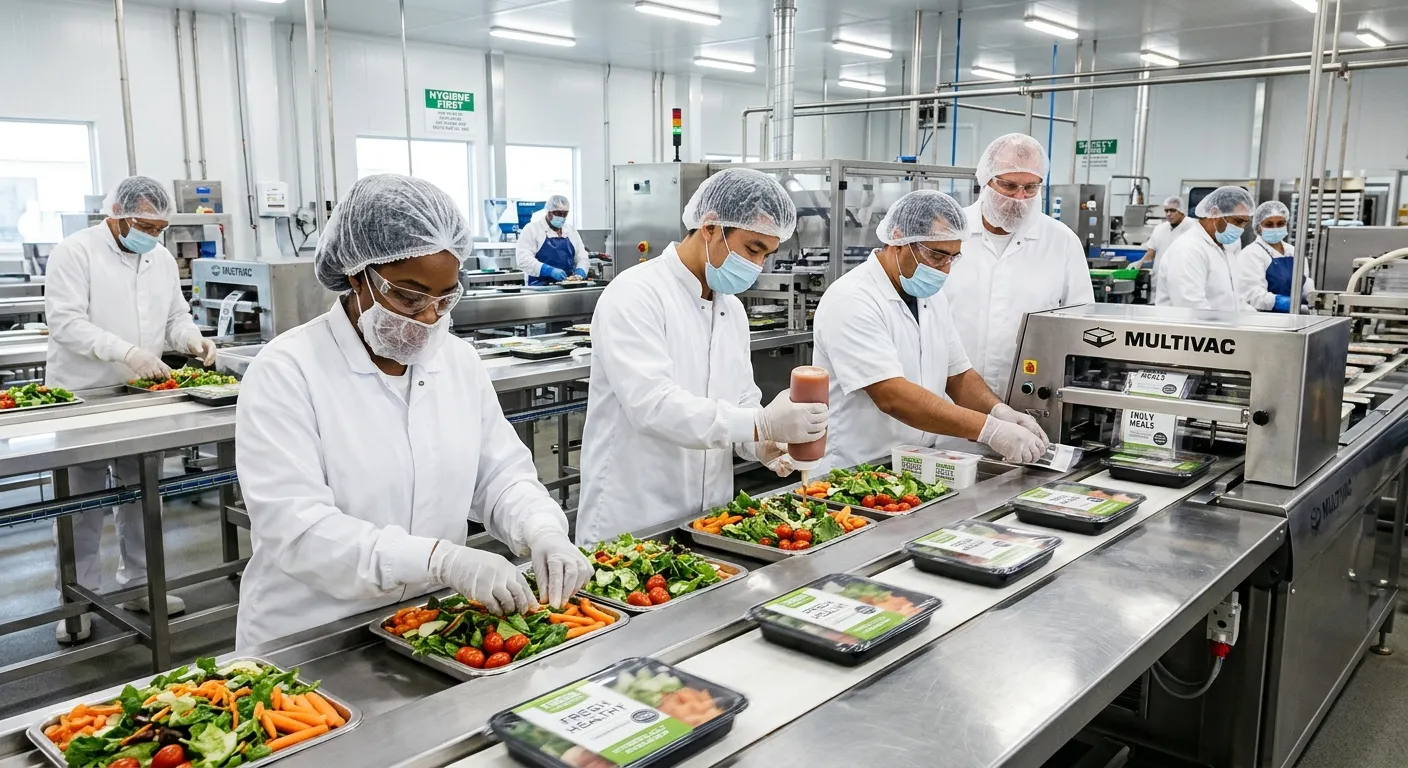
In the high-stakes, fast-moving world of UK food manufacturing, securing the right talent for Staff Food Production isn't just an operational task—it's the cornerstone of quality, compliance, and commercial success. This comprehensive guide explores the multifaceted strategies for recruiting, managing, and retaining the skilled workforce that powers your production lines, from sourcing a Chef for your R&D kitchen to hiring reliable operatives for high-volume output.
Mastering Food Production Staffing: A Multi-Category Overview
Navigate the complexities of food sector hiring. Use the interactive tabs below to explore critical staffing categories and their strategic importance.
Building Your Permanent Production Foundation
Permanent staff form the backbone of any food production facility. They ensure consistency, uphold deep institutional knowledge of recipes and safety protocols (like HACCP), and drive long-term quality initiatives. Hiring for these roles requires a focus on cultural fit, technical aptitude, and career progression. For high-volume environments, integrating roles from Warehouse Jobs logistics is often essential for seamless supply chain flow from storage to production line.
- Line Supervisors & Team Leaders: Essential for daily oversight, productivity, and adherence to strict hygiene standards.
- Skilled Machine Operatives: Trained specialists for packaging, blending, and cooking equipment, minimizing downtime.
- Quality Assurance Technicians: The guardians of your brand reputation, conducting microbiological and sensory testing.
Pro-Tip:
When hiring permanent staff, look beyond the CV. Conduct practical, on-site assessments that simulate real production line challenges to gauge problem-solving skills and resilience under pressure.
Flexible Scaling with Temporary & Seasonal Talent
Peak seasons, large orders, and staff absence demand agile staffing solutions. A reliable Temporary Catering Staff Agency provides vetted, trained workers at short notice, ensuring you never miss a delivery deadline. This model is also ideal for trialing potential permanent hires. Our guide on Temporary Agency Work offers deeper insights into this flexible model.
Effective management of temporary staff involves clear onboarding, immediate safety briefings, and integration into existing teams. This approach is equally vital in construction and specialist trade sectors, where project-based work is common.
The Critical Role of Specialist Technicians & Chefs
Innovation and compliance hinge on specialist talent. This includes Development Chefs, Food Technologists, and Maintenance Engineers. Partnering with a dedicated Chef Hiring Agency Near Me can connect you with creative culinary professionals who can translate trends into viable products, while a Catering Recruitment Agency Near Me with industrial expertise can source process engineers.
For leadership in product development, a strategic approach is required. Consider the forward-looking insights in our resource on Hiring a Head Chef, which, while focused on service, shares core principles with hiring a Development Chef for production: vision, team management, and cost control.
Key Benefits of Optimised Food Production Staffing
Enhanced Quality Control & Consistency
A stable, well-trained workforce is your first line of defence against quality deviations. Skilled staff consistently execute portion control, cooking times, and packaging standards, directly reducing waste and customer complaints.
Increased Operational Efficiency & Output
The right staff, correctly deployed, optimise line speeds, minimise machine stoppages, and ensure smooth changeovers between product runs. This directly boosts your capacity and ability to fulfil larger contracts, much like efficient staffing solves bottlenecks in warehouse operations.
Robust Safety & Compliance Adherence
Food production is governed by stringent health, safety, and hygiene regulations (HACCP, BRCGS). Competent, vigilant staff are critical for maintaining audit-ready standards every day, protecting your license to operate and your brand's integrity.
Deep Dive: Implementing a Winning Staff Food Production Strategy
Moving from theory to practice requires a structured approach. Your staffing strategy should be as meticulously planned as your production schedule. It begins with a thorough audit of your current and projected needs across all skill levels, from entry-level packers to senior food scientists.
Integrating with Supply Chain & Logistics
Effective Staff Food Production doesn't exist in a vacuum. Your production staff must work in harmony with logistics teams. Understanding the workflows and staffing needs in related areas like warehouse and distribution is crucial for end-to-end efficiency. Delays in raw material intake or finished goods dispatch can idle your entire production line, making cross-functional staffing awareness vital.
Furthermore, consider the geographical talent pools. While a Catering Recruitment Agency Near Me can service local needs, for niche technical roles, a national search might be necessary. This mirrors strategies used in other sectors, such as when businesses seek Recruitment Outsourcing in Leeds for specialised HR talent or HR Recruitment in Leeds for immediate start roles.
Action Plan: Securing Your Production Talent Pipeline
- Conduct a Skills Gap Analysis: Map every role on your line against required competencies. Identify where you lack depth, especially for roles requiring specific food safety certifications.
- Develop Multiple Sourcing Channels: Don't rely on one method. Combine direct advertising, partnerships with specialised agencies (like a Chef Hiring Agency Near Me for culinary roles), and referrals. Explore platforms dedicated to Food Production Employment.
- Implement a Rigorous Vetting Process: For food roles, background checks and practical assessments are non-negotiable. Include hygiene awareness tests and situational judgment scenarios.
- Create a Compelling Employer Value Proposition: In a competitive market, highlight career progression, training (like upskilling to supervisor), and the stability of your operation. Show how you invest in your people's safety and development.
- Build a Flexible Contingency Pool: Establish relationships with a reliable temporary staffing agency to cover unexpected absences, seasonal peaks, or sudden large orders without overburdening your core team.
Frequently Asked Questions on Food Production Staffing
Quick answers to the most common questions about recruiting and managing staff in food manufacturing environments.
The fastest and most reliable method is partnering with a specialist agency that has an existing, pre-vetted pool of talent. A dedicated Catering Recruitment Agency Near Me with industrial food experience understands the specific skills and safety certifications required (like Food Hygiene Level 2, HACCP). They can often provide candidates within 24-48 hours for temporary roles and have networks for permanent placements. This is far more efficient than sifting through unqualified applications from general job boards.
While both require hygiene awareness, food production staffing is heavily oriented towards consistency, volume output, machine operation, and strict adherence to documented processes (GMP). It's less about customer-facing creativity and more about precision, repeatability, and efficiency. The scale is also often larger, and shifts can be longer and more regimented. While you might use an Event Catering Staff agency for short-term culinary projects, production staffing requires a partner with specific manufacturing sector expertise.
Mandatory and preferred certifications vary by role but typically include:
- Food Hygiene & Safety (Level 2 or 3): A fundamental requirement for all handlers.
- HACCP Awareness/Principles: Critical for understanding hazard control points.
- Health & Safety in a Manufacturing Environment: Covers general workshop safety.
- Allergen Awareness: Essential for preventing cross-contamination.
- Specific Machine Operation Certificates (e.g., FLT for warehouse adjacencies, packaging machinery): For technical roles.
A good Chef Hiring Agency Near Me or production specialist will verify these credentials before presenting candidates, saving you significant administrative time and risk.
Absolutely. Many food manufacturers use long-term temporary contracts to staff specific projects, new lines, or to cover extended periods of high demand. This provides flexibility without the immediate commitment of a permanent hire. It also serves as an extended"try before you buy" period. For guidance on managing this model, see our resource on Temporary Agency Work in Catering & Hospitality. The principles of clear communication, proper onboarding, and fair treatment are directly transferable to the production environment.
Ready to Transform Your Food Production Workforce?
Stop letting staffing challenges slow down your production line and compromise your growth. Access a dedicated network of pre-vetted, skilled food production professionals—from line operatives to technical specialists—ready to integrate seamlessly into your operation.
Whether you need immediate cover for a busy period, are launching a new product line, or are building a permanent team for a new facility, strategic staffing is your most powerful lever for success.
Partner with experts who understand the precise demands of Staff Food Production.
Submit your vacancy in minutes and connect with qualified candidates from our extensive talent pool. Your ideal team is waiting.
Illustrative Case Studies: How Strategic Staffing Improved Food Production Outcomes
Abstract staffing theory becomes far more actionable when viewed through real-world operational challenges. The following anonymised case studies demonstrate how a structured approach to Staff Food Production can protect output, reduce risk, and improve morale when demand, compliance, and workforce availability collide.
Midlands Ready Meals Manufacturer
A growing ready meals producer faced a sharp increase in supermarket orders during a promotional period. Their permanent team was already stretched, and overtime was driving fatigue, quality deviations, and rising absence levels.
The solution was a tiered staffing model: core permanent supervisors retained ownership of line planning, while trained temporary operatives were used to support packing, labelling, and case loading. The agency supplied workers with prior food hygiene experience, reducing the onboarding burden.
Result: The site maintained delivery performance without compromising HACCP discipline, and several temporary staff were later converted into permanent roles.
Yorkshire Bakery Group
A regional bakery struggled with early-morning shift vacancies, which repeatedly delayed dough handling and proofing schedules. The issue was not simply hiring, but attracting reliable staff willing to work unsociable hours.
The business redesigned its recruitment approach by offering predictable shift patterns, clearer progression routes, and a stronger safety message during interviews. It also built a small pool of flexible workers for emergency cover.
Result: Absence on early shifts fell, production planning became more reliable, and the employer strengthened its reputation as a stable place to work in a competitive local labour market.
North West Food Processing Facility
This facility was preparing to launch a new chilled product line but lacked in-house technical depth in allergen control and validated cleaning procedures. Hiring only general operatives would have created serious compliance exposure.
The company adopted a hybrid recruitment plan: permanent technical staff were hired for quality, hygiene, and engineering support, while temporary production operatives were onboarded only after completing site-specific allergen and GMP training.
Result: The launch met customer audit requirements, and the business avoided costly line stoppages caused by under-skilled staffing during commissioning.
Onboarding and Training Systems That Reduce Line Errors
In food manufacturing, the cost of poor onboarding is not measured only in time. It is measured in waste, rework, hygiene failures, and potential audit findings. A strong induction programme is therefore not a back-office formality—it is a core production control.
The Four Pillars of Effective Food Production Onboarding
- Hygiene and allergen awareness before line access. New starters must understand handwashing, PPE, glove changes, hairnets, footwear, and why allergen segregation matters. Training should be practical, not purely documentary.
- Clear standard operating procedures. Workers need simple visual instructions for setup, changeover, temperature checks, weight control, and rejection reporting. Complexity increases error risk.
- Supervised shadow shifts. A graduated introduction to the line, with a named mentor or team leader, helps new staff build confidence and learn the pace of production without immediate pressure.
- Competency sign-off. Before a worker is deployed independently, supervisors should confirm they can operate equipment safely, recognise defects, and escalate issues correctly.
A Practical Onboarding Checklist for Production Managers
- Confirm right-to-work and role-specific eligibility.
- Verify food hygiene certification where required.
- Issue site-specific induction materials.
- Provide correct PPE and demonstrate proper use.
- Explain waste, contamination, and foreign object controls.
- Introduce line speeds, quality tolerances, and escalation points.
- Assign a buddy or shift champion for the first week.
- Record training and schedule refresher dates.
Operational insight: Temporary staff can be highly effective, but only if the site treats them as part of the quality system—not as an afterthought. A short, focused induction often prevents the kind of avoidable error that leads to a rejected pallet or a non-conformance.
Shift Patterns, Fatigue, and Compliance: The Hidden Staffing Challenge
Food production often runs on continuous or extended shifts, especially in chilled, frozen, or bakery operations. Yet staffing decisions based solely on coverage can create deeper risks: fatigue-related errors, lower engagement, increased turnover, and weakened hygiene performance.
A well-designed rota balances operational need with human factors. That means considering travel time, rest breaks, shift handover quality, and the cumulative impact of night work. In high-care food environments, tired staff are not just less productive—they are more likely to miss a temperature check, mislabel a product, or contaminate a surface.
Best Practice: Build a Fatigue-Aware Rota
- Avoid excessive consecutive night shifts.
- Allow adequate rest between shift changes.
- Stabilise patterns where possible to support childcare and transport.
- Use temporary cover to relieve pressure rather than normalise overtime.
- Encourage open reporting of tiredness or unsafe working conditions.
Why This Matters for Staff Food Production Planning
Recruitment is not complete once a worker is hired. The staffing model must sustain performance over time. If a rota is constantly reactive, managers spend their days firefighting absence instead of improving yield, training, and process stability.
A more strategic approach includes demand forecasting, cross-training, and a predictable contingency plan. For example, a site may maintain a small bench of flexible operatives trained on multiple lines, reducing dependency on a single shift pattern or external agency at short notice.
Post a Food Production VacancyRetention: The Most Underrated Staffing Strategy in Food Manufacturing
Many businesses focus intensely on filling vacancies, then under-invest in keeping the right people. In food production, retention is not a soft HR issue—it is a direct driver of quality, throughput, and cost control. Experienced operatives understand line nuances, recognise early warning signs of product failure, and train new starters more effectively than any manual can.
Progression Pathways
Show how a packer can become a line operator, then a team leader. Clear steps increase motivation and reduce the perception that production work is a dead end.
Training Investment
Fund hygiene, HACCP, engineering basics, and food safety leadership. Training raises competence and signals that the employer values long-term development.
Respectful Supervision
Front-line managers set the tone. Consistent communication, fairness, and recognition often matter more than headline pay alone.
Work-Life Realism
Transport, shift stability, and predictable hours can be decisive factors for retention, especially in areas with limited public transport links.
Retention Metrics Worth Tracking
| Metric | What It Reveals | Why It Matters |
|---|---|---|
| 90-day retention rate | Quality of recruitment and onboarding | Early exits often indicate mismatched expectations or poor induction |
| Absence by shift pattern | Fatigue, rota fairness, or local transport issues | Helps identify structural problems rather than blaming individuals |
| Internal promotion rate | Career development culture | Strong internal mobility improves engagement and reduces external hiring costs |
| Quality non-conformances by team | Training effectiveness and supervision | Links staffing decisions directly to product integrity |
Technology, Automation, and the Human Factor
Automation is reshaping food manufacturing, but it does not remove the need for skilled people. Instead, it changes the profile of the workforce. Modern Staff Food Production planning must consider how technology creates new demands for digital literacy, troubleshooting, and flexible deployment.
Where Human Workers Remain Essential
- Judgement under variable conditions: Sensory assessment, defect detection, and interpreting subtle process drift often still require trained human oversight.
- Changeover agility: Frequent SKU changes demand people who can adapt quickly, communicate across teams, and maintain standards during transition periods.
- Compliance culture: Automation can record data, but only people can create the behavioural discipline needed for hygiene, allergen control, and continuous improvement.
- Problem-solving at the line: Skilled operatives and technicians resolve small issues before they become major downtime events.
The New Staffing Mix for Automated Sites
As production environments become more digital, successful employers are shifting from purely manual hiring toward blended teams:
Line operatives with basic data entry and monitoring skills.
Maintenance technicians comfortable with diagnostics and digital work orders.
Quality staff able to interpret trends from sensors, checklists, and batch records.
Supervisors who can coach teams through process change rather than simply enforce rules.
Common Staffing Pitfalls to Avoid in Food Production
Even experienced manufacturers can fall into avoidable staffing traps. Recognising these early can protect margins, reduce compliance risk, and create a more stable production environment.
1. Hiring Only for Headcount, Not Competence
Filling a shift quickly is important, but if candidates lack basic hygiene awareness or reliability, the line may slow down, waste may increase, and supervisors become overloaded. Speed and quality must be balanced.
2. Treating Temporary Staff as Disposable
Temporary workers who receive poor induction, unclear instructions, or inconsistent treatment are more likely to make errors. A professional, inclusive approach improves performance and protects brand standards.
3. Ignoring Local Labour Market Realities
A vacancy may not fail simply because of pay. Shift times, transport, childcare, and job security can be decisive. Understanding local constraints helps employers design more attractive roles.
4. Failing to Plan for Peak and Contingency
If staffing is only reactive, every absence or rush order becomes a crisis. A pre-agreed talent pool, cross-trained teams, and clearer forecasting reduce disruption and overtime dependency.
Final Thought: Staffing Is a Production Asset, Not an Admin Task
The strongest food manufacturers treat workforce planning as part of their operational excellence strategy. When the right people are hired, trained, supported, and retained, production becomes more predictable, safer, and more commercially resilient. For any business aiming to scale, improve quality, or protect compliance, investing in a smarter Staff Food Production approach is one of the most practical and high-impact decisions available.