
Hire A Sous Chef: Fast, Professional Restaurant Kitchen Staffing
SEO Title: Hire A Sous Chef Today: Fast, Skilled Restaurant Kitchen Staffing | SEO Description: Looking to hire a sous chef? This guide helps restaurants fill a chef needed for restaurant operations, compare agency and direct hiring, write a strong job brief, and post a job today.
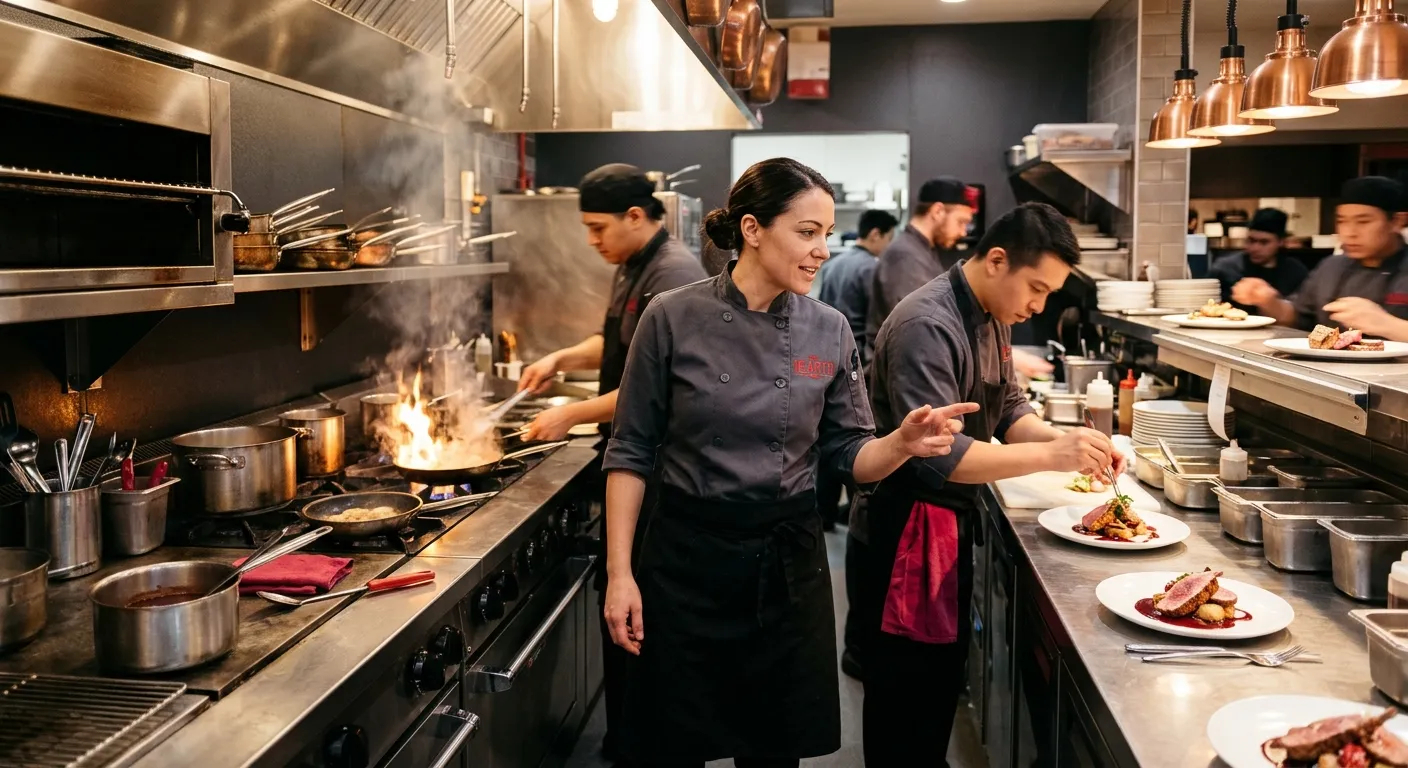
If you are trying to Hire A Sous Chef for a busy restaurant, hotel kitchen, event venue, or independent dining room, the right second-in-command can transform daily operations, food quality, team morale, and service consistency. A sous chef is not simply another cook on the line. This role supports the head chef, leads kitchen shifts, trains staff, manages stock, controls food costs, and maintains standards when service pressure rises. For many employers, finding a reliable sous chef is the difference between a chaotic kitchen and a smooth, profitable operation.
When a restaurant has a Chef Needed For Restaurant roles at a senior level, hiring becomes urgent. Service cannot wait for a perfect candidate to appear naturally. Employers need a clear brief, a strong sourcing plan, realistic salary expectations, structured interviews, and a practical trial shift process. This guide explains how to hire a sous chef efficiently, what skills matter most, how to compare direct hiring with recruitment partners, and what questions to ask before making an offer.
Interactive Overview: What Employers Need to Know
Why Restaurants Need a Strong Sous Chef
Many restaurants struggle because the head chef is stretched too thin. A head chef may be creating menus, managing suppliers, handling rotas, dealing with guests, and leading service. Without a capable sous chef, the kitchen can lose consistency. Food quality may vary, prep lists can fall behind, junior staff may lack direction, and health and safety routines may become inconsistent.
Hiring a sous chef gives the restaurant a dependable leader on the line. This person can take ownership of daily service, support training, check stock, manage allergen controls, and step in when the head chef is absent. For growing venues, seasonal events, or kitchens with staff turnover, a sous chef provides operational stability and protects the guest experience.
Hire Staff TodayCore Sous Chef Duties in a Restaurant Kitchen
- Service leadership: Running the pass, coordinating sections, and maintaining pace during busy periods.
- Team training: Teaching knife skills, plating standards, prep routines, and food safety practices.
- Menu support: Helping the head chef refine dishes, test recipes, and control portioning.
- Stock management: Checking deliveries, rotating stock, reducing waste, and ordering ingredients.
- Hygiene compliance: Maintaining HACCP records, cleaning schedules, allergen controls, and temperature logs.
- Staff rota planning: Supporting labour cost control while maintaining service quality.
- Quality assurance: Ensuring every plate meets the restaurant’s standards before it leaves the kitchen.
Direct Hiring, Agency Support, and Flexible Staffing
Employers can hire a sous chef through direct advertising, internal promotion, recruitment platforms, hospitality agencies, or specialist kitchen staffing partners. Direct hiring may reduce upfront costs, but it requires time to source, screen, and shortlist candidates. A specialist catering staff agency can accelerate the process by matching candidates to your venue, checking references, and reducing risk.
For urgent requirements, temporary or temp-to-perm arrangements can help maintain service while the employer evaluates the right permanent sous chef. This is especially useful when a chef needed for restaurant operations must be filled quickly due to resignation, seasonal demand, or a sudden increase in covers.
Key Benefits of Hiring a Sous Chef
Better Kitchen Consistency
A sous chef keeps standards stable across sections, shifts, and service periods. This reduces variation in plating, seasoning, temperature, and portion control.
Stronger Staff Development
Junior chefs learn faster when there is a reliable leader on the line. A sous chef can coach, correct, and motivate the team without the head chef needing to intervene constantly.
Improved Food Cost Control
Stock checks, waste monitoring, and portion discipline are easier to maintain when a sous chef actively manages the kitchen’s daily habits.
Reduced Head Chef Pressure
The head chef can focus on menu creation, supplier relationships, guest experience, and long-term planning while the sous chef supports operational execution.
Faster Hiring with Expert Support
Using a hospitality recruitment route can shorten time-to-hire, especially when you need a chef needed for restaurant service immediately.
Safer Kitchen Operations
A strong sous chef reinforces hygiene routines, allergen awareness, temperature checks, and safe working practices during busy service.
About the Sous Chef Role
The sous chef sits between the head chef and the rest of the kitchen brigade. In smaller restaurants, the sous chef may run the kitchen almost every day. In larger venues, the role may be more specialised, focusing on sauces, larder, pastry, main section, or training. The exact duties depend on the restaurant concept, service volume, team size, and leadership style.
A great sous chef is calm under pressure, organised, communicative, and technically capable. They must know how to lead without micromanaging, how to enforce standards without damaging team morale, and how to solve problems before they affect the guest experience. Employers looking to Hire A Sous Chef should prioritise leadership ability as much as cooking skill.
If your venue is considering a wider kitchen leadership structure, it is also worth reviewing our guide to hire a head chef in 2026. The sous chef and head chef must work as a partnership, and understanding both roles helps employers build a stronger kitchen team.
Who Should Consider This Role?
- Restaurants with inconsistent service quality
- Venues expanding covers or opening new sites
- Head chefs needing operational support
- Kitchens with high staff turnover
- Event caterers requiring dependable leadership
- Hotels needing reliable second-in-command chefs
Video Insight: Faster Recruitment Decisions
Hiring senior kitchen staff is not only about finding a skilled cook. It is about identifying a leader who can protect standards, reduce risk, and support your team every day.
How to Hire a Sous Chef Step by Step
A structured hiring process saves time and reduces the risk of a poor appointment. Many employers rush because they have a chef needed for restaurant operations urgently, but a rushed hire can cost more in retraining, turnover, and service disruption. Follow these steps to make a confident decision.
1. Write a Clear Role Brief
Define the restaurant style, service volume, kitchen structure, salary range, rota expectations, and leadership responsibilities. Specify whether the sous chef will manage stock, train junior chefs, oversee allergen controls, or lead the pass. A detailed brief attracts serious candidates and helps screen unsuitable applicants quickly.
2. Choose the Right Sourcing Channel
Direct job boards, hospitality networks, and specialist recruitment platforms can all be effective. If you need speed, consider working with a kitchen staff recruitment agency in London or your regional equivalent. Agencies can pre-screen candidates, verify availability, and present applicants who match your concept and budget.
3. Review Experience and Career Progression
Look for candidates who have progressed from chef de partie to senior sous chef or equivalent roles. Ask about the size of kitchens they have worked in, the style of cuisine, number of covers, team size, and whether they have managed rotas or supplier orders. A sous chef with relevant experience is more likely to adapt quickly.
4. Conduct a Practical Trial Shift
A trial shift is essential for senior kitchen roles. Invite the candidate to work a real service period. Observe their knife skills, organisation, communication, speed, hygiene habits, and ability to support the team. A trial should be structured, fair, and focused on the actual demands of your kitchen.
5. Check References Thoroughly
Speak to previous head chefs, kitchen managers, or owners. Ask about reliability, leadership style, handling pressure, food safety standards, and reasons for leaving. References can reveal whether a candidate is a strong team leader or simply a good cook who struggles with responsibility.
6. Make a Competitive Offer
Senior kitchen candidates often have multiple options. Be ready to move quickly once the right person is identified. Clarify salary, hours, rota, benefits, trial period, uniform, meal policy, and career development opportunities. A clear, respectful offer increases acceptance rates and builds early trust.
Essential Sous Chef Skills and Competencies
Technical Kitchen Skills
- Strong knife skills and section knowledge
- Confident plating and finishing standards
- Understanding of sauces, stocks, and prep systems
- Experience with menu costing and portion control
- Ability to work across multiple kitchen sections
- Knowledge of HACCP and food hygiene practices
- Comfortable managing allergen information
- Skilled in stock rotation and waste reduction
Leadership and Communication
- Calm decision-making during peak service
- Clear communication on the pass
- Ability to motivate junior chefs
- Willingness to give constructive feedback
- Experience supporting rotas and labour costs
- Professional approach to conflict resolution
- Reliability and punctuality under pressure
- Respect for head chef vision and restaurant standards
Pro Tip: Look for Emotional Resilience
Technical ability can be tested during a trial shift, but emotional resilience is harder to assess. Ask candidates how they handled a previous kitchen crisis, a difficult service, or a staff disagreement. A sous chef who responds with clarity, accountability, and a solution-focused attitude is usually a safer hire.
Interview Questions That Reveal a Strong Sous Chef
Interviews for senior kitchen roles should go beyond “what can you cook?” The best questions uncover leadership habits, problem-solving ability, and cultural fit. Use these questions when you hire a sous chef for your restaurant.
Recommended Interview Questions
- How do you prepare the kitchen before a busy service?
- What do you do when a dish is delayed or incorrectly plated?
- How do you train a new chef de partie without slowing service?
- Describe a time you corrected a hygiene or allergen issue.
- How do you manage stock levels while maintaining quality?
- What is your approach to portioning and food cost control?
- How do you support a head chef who is under pressure?
- What steps do you take to improve consistency across the line?
- How do you handle conflict between junior kitchen staff?
- What kind of kitchen culture do you help create?
Red Flags to Watch For
- Cannot explain how they managed stock or waste
- Blames all previous kitchen problems on others
- Uncomfortable with hygiene documentation or allergen checks
- Shows poor listening skills during the interview
- Lacks clarity about rota, service expectations, or leadership duties
- Refuses to discuss reference checks or trial shifts
- Focuses only on cooking, not on team development or standards
A strong candidate should be able to describe their leadership style with specific examples. They should understand that a sous chef is responsible for the team’s daily performance, not just their own station. If you are also building the wider kitchen brigade, explore relevant chef roles and consider how the sous chef will support chefs de partie, commis chefs, and kitchen porters.
Permanent, Temporary, and Flexible Sous Chef Hiring
Permanent Hire
Best for restaurants that need long-term kitchen stability, consistent menu development, and a sous chef who becomes part of the venue’s culture.
Permanent roles require deeper screening, reference checks, and a realistic salary offer. They are ideal when the head chef needs a trusted deputy.
Temporary Cover
Useful when a sous chef is absent, when a vacancy is urgent, or when a restaurant needs support during seasonal demand.
Temporary staffing can protect service while the employer searches for the right permanent candidate.
Temp-to-Perm
A practical option when you want to assess a sous chef in your actual kitchen before committing to a permanent contract.
This reduces hiring risk and gives both employer and candidate time to evaluate fit.
Expert Insight: Match the Hiring Model to Your Risk Level
If you have already struggled with poor hires, a temp-to-perm route may be safer. If your restaurant has a strong head chef and an established team, permanent hiring may be the most efficient. If you are opening a new venue or scaling event catering, consider combining a permanent sous chef with flexible support from a event catering staff provider during peak periods.
Sous Chef Salary, Costs, and Value
The cost of hiring a sous chef varies by location, restaurant concept, volume, and level of responsibility. In premium dining, hotels, and busy city venues, employers often pay more for a sous chef who can lead a large brigade, manage complex menus, and maintain high standards consistently. Independent restaurants may offer a lower base salary but provide a stronger creative role, better work-life balance, or clearer progression toward head chef.
Employers should consider the total value of the role, not just the wage. A good sous chef can reduce waste, improve consistency, support staff retention, and protect guest satisfaction. If the kitchen loses confidence, service slows, or food quality becomes inconsistent, the hidden cost can be far higher than the salary difference between two candidates.
Budget Factors
- Location and local pay competition
- Number of covers per service
- Size of kitchen team
- Menu complexity and cuisine style
- Stock and rota responsibilities
- Training and leadership expectations
Value Factors
- Lower staff turnover
- Better food cost control
- More consistent guest experience
- Stronger head chef support
- Faster onboarding of junior chefs
- Reduced operational errors
When writing the job brief, be transparent about salary range, hours, rota, and growth opportunities. Strong candidates are more likely to apply when the role feels realistic and well-defined. If you need to fill a chef needed for restaurant operations quickly, clarity in the advert helps reduce unsuitable applications.
Compliance, Hygiene, and Safeguarding Considerations
A sous chef plays a direct role in food safety, allergen management, and kitchen compliance. Before hiring, confirm the candidate’s food hygiene certification, right to work, and understanding of HACCP requirements. For roles involving young staff or vulnerable customers, additional safeguarding awareness may be necessary.
Pre-Hire Checklist
- Verify food hygiene certificate level
- Check right to work in the UK
- Confirm allergen knowledge and training
- Review previous HACCP responsibilities
- Ask about cleaning schedules and temperature logs
- Confirm availability for required shifts
- Discuss uniform, meals, and rota expectations
- Clarify probationary period and training plan
Employers should also consider the wider staffing ecosystem. A sous chef cannot solve every operational issue alone. If your kitchen needs additional support, review our guide to temporary agency work in catering and hospitality to understand flexible staffing options and compliance expectations.
Frequently Asked Questions
It can take anywhere from a few days to several weeks, depending on location, salary, restaurant concept, and urgency. Using a specialist recruitment route can shorten the process by providing pre-screened candidates and faster trial arrangements.
Look for technical cooking ability, calm leadership, strong communication, hygiene awareness, stock control experience, and a willingness to support the head chef. A trial shift is the best way to assess real kitchen behaviour.
Direct hiring can work if you have time to source and screen candidates. Agencies can be faster and may reduce risk, especially when you have an urgent chef needed for restaurant operations or need temporary cover before a permanent hire.
Yes. A trial shift is highly recommended for sous chef roles. It allows the employer to observe speed, communication, hygiene habits, teamwork, and consistency under real service conditions.
Absolutely. Many head chefs progress through sous chef roles. If your restaurant offers training, clear responsibilities, and career development, you are more likely to attract ambitious candidates who want to grow with the business.
How to Write a Sous Chef Job Advert That Attracts Better Candidates
The job advert is your first opportunity to show candidates what kind of restaurant they would be joining. A strong advert is specific, honest, and attractive. It should explain the cuisine, service volume, kitchen structure, salary range, rota, and leadership expectations. Avoid vague phrases like “must be passionate” without context. Instead, describe what passion looks like in your kitchen.
Effective Job Advert Elements
- Restaurant concept and cuisine style
- Number of covers and service hours
- Size of kitchen team and reporting structure
- Salary range and benefits
- Rotas, days off, and flexibility expectations
- Stock, allergen, and hygiene responsibilities
- Training and progression opportunities
- Trial shift process and expected timeline
If you want to broaden your search beyond the sous chef role, consider how the position fits within your wider hospitality hiring strategy. Our resources on hospitality roles can help you understand the full talent landscape and how senior kitchen hires support front-of-house performance.
Common Mistakes When Hiring a Sous Chef
Hiring Only for Cooking Ability
A candidate may be an excellent cook but struggle with leadership, rota planning, or staff communication. Test both technical and managerial capability.
Skipping the Trial Shift
Interviews can be polished, but the kitchen reveals the truth. A trial shift shows how the candidate behaves under real service pressure.
Offering an Unclear Role
If the sous chef does not know what they are responsible for, confusion and friction can develop with the head chef and kitchen team.
Moving Too Slowly
Good candidates are often available for a short time. If you find the right person, be prepared to make a clear and competitive offer quickly.
Final Expert Advice: Build a Kitchen Leadership Partnership
When you Hire A Sous Chef, you are not just filling a vacancy. You are strengthening the leadership backbone of your restaurant. The sous chef works closely with the head chef, and that relationship must be built on trust, clarity, and shared standards. Before making an offer, ask yourself whether the candidate supports your vision, communicates respectfully, and can maintain quality when no one is watching.
Restaurants that hire well see fewer service disruptions, better staff retention, and stronger guest confidence. If you have a Chef Needed For Restaurant leadership, do not leave the process to chance. Prepare your brief, screen carefully, trial the candidate, check references, and make a decisive offer.
Action Plan for Employers
- Define the sous chef responsibilities clearly
- Set a realistic salary and rota expectation
- Use a structured interview and trial shift
- Check references before offering the role
- Post your job today to reach qualified kitchen candidates
Hire A Sous Chef for Your Restaurant Today
Whether you need a permanent sous chef, temporary kitchen leadership, or a reliable candidate for a chef needed for restaurant operations, the next step is simple. Post your role, connect with qualified hospitality professionals, and build a stronger kitchen team.
Hire Staff TodayFor broader staffing support, explore recruitment solutions designed for catering, hospitality, and kitchen teams.