Hire Elite CDP Chef Talent: The Complete 2026 Hiring & Staffing Guide
Discover how to recruit, onboard, and retain top-tier Chef de Partie professionals with strategic insights for immediate staffing needs and long-term kitchen success.
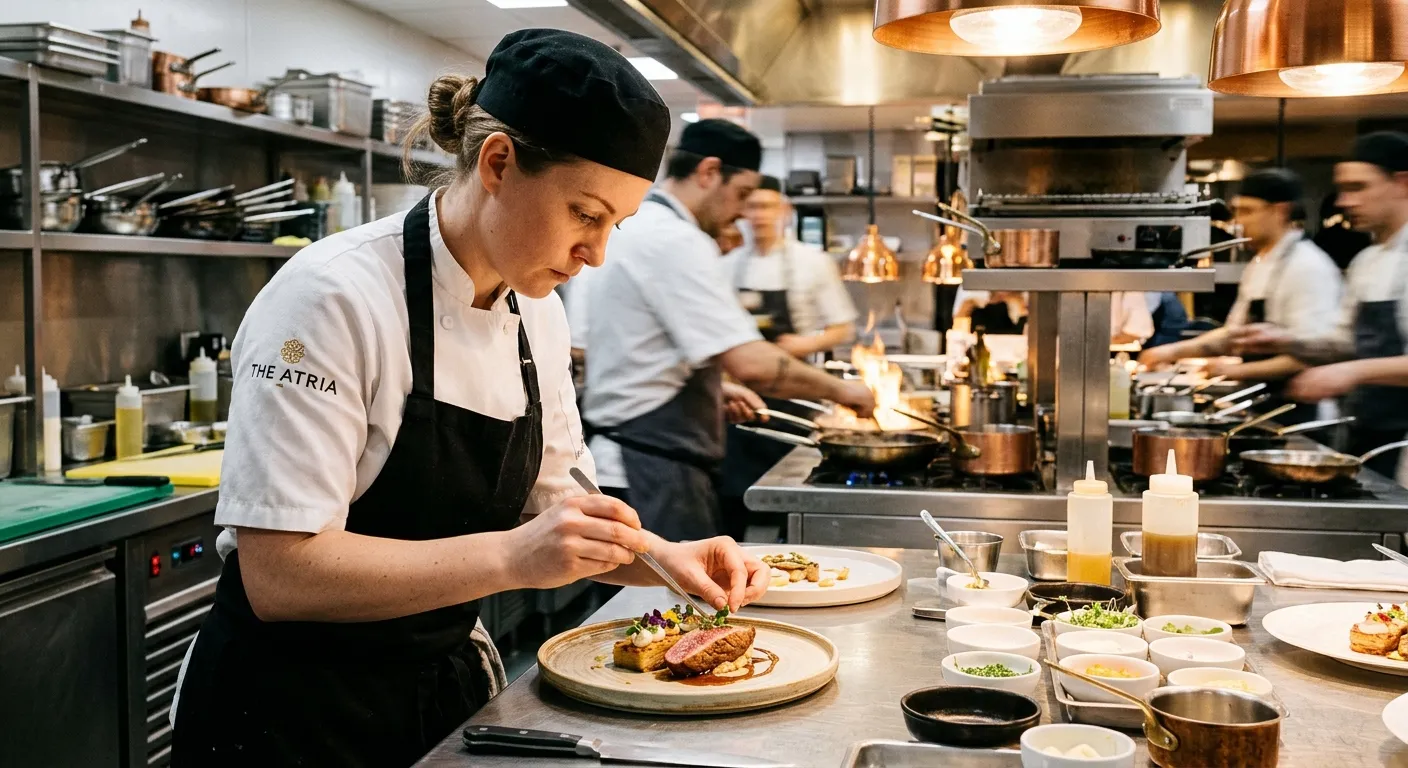
The CDP Chef Role: A Multi-Faceted Overview
The Chef de Partie (CDP) is the cornerstone of any professional kitchen, a vital leadership role that bridges the gap between the Head Chef and the commis chefs. Understanding the nuances of this position is critical for successful catering recruitment.
What is a Chef de Partie (CDP)?
A Chef de Partie, or Station Chef, is responsible for running a specific section of the kitchen (e.g., sauces, fish, pastry). They are leaders, trainers, and quality control experts, ensuring every dish that leaves their station meets the exacting standards of the Head Chef. In many kitchens, especially during peak seasons or for large events, securing a reliable CDP is as crucial as finding the right Assistant Pastry Chef.
Pro Tip: When hiring a CDP, look beyond technical skill. Assess their leadership potential, ability to manage stress during a busy service, and their capacity for training junior staff. These soft skills often differentiate a good CDP from a great one.
Essential Skills and Daily Duties
The modern CDP Chef must be a hybrid of technician, manager, and innovator. Their day involves meticulous mise en place, supervising a small team, maintaining impeccable hygiene standards, and adapting to menu changes.
- •Advanced knife skills and precise cooking techniques.
- •Inventory management and waste control for their section.
- •Training and mentoring Commis Chefs and kitchen porters.
- •Strict adherence to food safety (HACCP) protocols.
- •Ability to work under intense pressure during service.
- •Basic cost control and understanding of GP margins.
Strategic Hiring for CDP Positions
Finding the right CDP Chef requires a proactive strategy. Whether you need an immediate start for a short-term contract or a permanent addition to your brigade, understanding the hiring landscape is key. Partnering with a specialized kitchen staff recruitment agency can drastically reduce time-to-hire and ensure quality candidates.
2026 CDP Chef Market Insights
The demand for skilled CDP Chefs continues to outstrip supply, driven by a resurgence in fine dining and large-scale events. Candidates now prioritize work-life balance, career progression, and positive kitchen culture. Competitive salaries, clear paths to Sous Chef roles, and flexible scheduling are no longer perks but expectations.
Key Trend:
The rise of"hybrid hospitality" means CDP Chefs with experience in both high-volume catering (like seasonal event work) and à la carte fine dining are in exceptionally high demand. This versatility is highly valued by employers across the sector.
Why Hiring the Right CDP Chef is Critical for Your Business
Drives Kitchen Consistency & Quality
A competent CDP Chef ensures every plate from their section is identical, meal after meal. This consistency is the bedrock of customer satisfaction and repeat business, protecting your establishment's reputation.
Reduces Head Chef Burden
By reliably managing a section, a CDP frees the Head Chef to focus on menu development, supplier relationships, and overall kitchen management, increasing operational efficiency.
Trains the Next Generation
CDPs are the primary trainers for Commis Chefs and Kitchen Porters. A skilled CDP builds a stronger, more capable kitchen team from within, creating a pipeline for future Sous Chefs.
Manages Costs & Minimizes Waste
Effective portion control, inventory management, and waste reduction at the station level directly impact gross profit. A financially savvy CDP Chef contributes to the kitchen's bottom line.
Enables Scalability for Events
For large events or seasonal peaks, a reliable CDP can lead a satellite kitchen or a dedicated section. This scalability is essential for businesses involved in event catering or handling premier hospitality contracts.
Improves Overall Kitchen Morale
A fair, skilled, and respectful CDP creates a positive working environment in their section. High morale reduces staff turnover, a critical factor in today's competitive hospitality labor market.
The Step-by-Step Process to Hire a Top CDP Chef
A structured hiring process is your best defense against a bad hire. Follow this detailed guide to attract, assess, and onboard the ideal CDP Chef for your kitchen.
1. Define the Role & Create a Compelling Job Description
Be specific. Is this a Saucier, a Grillardin, or a Patissier? Detail the section responsibilities, the type of cuisine, and the kitchen environment. Highlight not just duties, but growth opportunities. Mention if the role supports large-scale operations like those in our warehouse kitchen facilities or intimate fine dining.
Job Description Must-Haves:
- Exact station/section responsibility.
- Required years of experience as a CDP or senior Commis.
- Specific cuisine or menu type expertise.
- Key soft skills (leadership, communication, stress management).
- Salary range and tangible benefits (e.g., tips, career progression).
The Interview & Practical Assessment
Never hire a CDP Chef based on CV alone. A two-stage assessment is crucial:
- Stage 1 - Interview: Probe their experience with specific scenarios."Describe a time you had to train a struggling commis.""How do you manage waste on the larder section?"
- Stage 2 - Practical ("Stage"): Invite the candidate to work a service or complete a timed mise en place and cooking test. Observe their technique, organization, cleanliness, and demeanor under pressure. This is as vital as a trial for an Assistant Pastry Chef.
Overcoming Common CDP Chef Hiring Challenges
Challenge 1: High Demand, Low Availability
The best CDP Chefs are rarely on the open market for long. Solution: Build a talent pipeline. Network at culinary schools, use a specialized temporary catering staff agency for interim roles that can turn permanent, and always treat your current staff well to encourage referrals.
Challenge 2: The Skills Gap
Many candidates may have technical skills but lack leadership or cost-management experience. Solution: Consider a"Temp-to-Perm" model. Hire a candidate on a temporary basis through an agency to evaluate their full skill set and cultural fit before making a permanent offer. This approach minimizes risk.
Challenge 3: Urgent Staffing Needs
A key CDP leaves suddenly, or you land a large contract with immediate start needs. Solution: Partner with an agency that specializes in rapid placement. The best agencies, much like those providing staff for urgent logistics roles, have pools of vetted, available CDP Chefs ready for immediate start roles.
Retaining Your CDP Chef: Beyond the Hire
Hiring is only half the battle. Retention is where you secure your return on investment. A valued CDP Chef is less likely to be poached and more likely to drive your kitchen's success long-term.
Invest in Continuous Development
Offer regular training—new techniques, cuisine styles, or management courses. Show a clear, documented path to Sous Chef. Support their growth, and they will invest in yours.
Foster a Culture of Respect
A toxic kitchen is the number one reason chefs leave. Ensure the Head Chef leads by example. Recognize achievements publicly, provide constructive feedback privately, and maintain a fair and professional environment.
Offer Competitive Compensation & Benefits
Benchmark salaries regularly. Consider profit-sharing for their section, performance bonuses, and comprehensive benefits packages. Flexibility in scheduling can also be a powerful retention tool.
Provide the Right Tools & Environment
A CDP cannot excel with blunt knives or faulty equipment. Invest in a well-maintained, efficient kitchen. This demonstrates respect for their craft and directly impacts their performance and job satisfaction.
Frequently Asked Questions: Hiring a CDP Chef
What's the average salary for a CDP Chef in the UK in 2026?
Salaries vary significantly by location, cuisine type, and establishment prestige. As of 2026, in major cities like London, a CDP Chef can expect £28,000 - £38,000 per annum. High-end restaurants, luxury hotels, and establishments with strong reputations command the higher end. Always research current market rates and consider additional benefits like tronc, accommodation, or training budgets to remain competitive.
How long should the hiring process for a CDP Chef take?
A thorough process typically takes 2-4 weeks from job posting to offer. This includes time for CV screening, first interviews, practical assessments, and second interviews. However, for urgent needs, specialized agencies can often present pre-vetted candidates within 48-72 hours. It's a balance between speed and diligence—never rush so much that you skip the essential practical"stage".
Should I hire a temporary or permanent CDP Chef?
It depends on your needs. A permanent hire is ideal for long-term stability, team building, and investment in your kitchen's future. A temporary CDP Chef is perfect for covering maternity/sick leave, testing a new concept, or handling a confirmed short-term spike in business (e.g., a Christmas party season or a major sporting event). Many businesses use a temp-to-perm model to"try before they buy." Explore our guide to temporary agency work for more insights.
What red flags should I look for when interviewing a CDP Chef?
Key red flags include: Vague answers about specific station responsibilities. Inability to describe a standard mise en place list for their section. Negative talk about all previous employers. Lack of curiosity about your menu or kitchen culture. Poor timekeeping or presentation for the interview. During the practical, watch for poor organization, messy workspaces, and a disrespectful attitude towards provided ingredients or equipment.
How does hiring a CDP differ from hiring an Assistant Pastry Chef?
While both are section leaders, the core skills and pace differ. A CDP in a main kitchen (sauces, grill) must thrive under the intense, fast-paced pressure of a main service, coordinating with other sections. An Assistant Pastry Chef role often requires extreme precision, creativity, and a different type of time management focused on pre-production for the next day or week. The hiring process should reflect this: a CDP practical test might be a live service segment, while a pastry test might focus on precise baking, chocolate work, or decorative elements.
Ready to Strengthen Your Kitchen Brigade?
Don't let a vacant CDP station disrupt your service, affect quality, or increase the burden on your Head Chef. Take action today to secure the skilled, professional Chef de Partie your operation deserves.
Access our vast network of pre-vetted hospitality professionals, from CDP Chefs to hotel staffing solutions and bar staff. Streamline your hiring and build a winning team.
Where to Source Top CDP Chef Candidates in 2026
While a single job posting may generate applications, elite Chef de Partie candidates are often found through a multi-channel sourcing approach. In 2026, successful kitchen staffing relies on combining digital visibility, educational partnerships, agency expertise, and relationship-driven referrals. Employers who diversify their sourcing strategy reduce dependency on a narrow talent pool and improve time-to-hire for both permanent and urgent CDP roles.
Specialized Hospitality Job Boards
Post clear, keyword-rich CDP chef roles on catering-focused job platforms. Include station type, cuisine, rota, salary, and benefits. Strong listings attract passive candidates who are already browsing hospitality opportunities.
Culinary Schools and Apprenticeships
Build relationships with local colleges and apprenticeship providers. Senior students and recent graduates may not yet have experience running a full section, but they often bring discipline, hunger, and up-to-date HACCP knowledge.
Recruitment Agencies
A specialist agency can screen for reliability, references, and right-to-work documentation before introducing candidates. This is especially useful for urgent CDP vacancies, seasonal surges, or roles requiring immediate starts.
Social Media and Chef Communities
Instagram, LinkedIn, and chef forums can reveal candidates who understand presentation, menu development, and personal branding. Use these channels to showcase kitchen culture rather than only posting vacancies.
Internal Referrals and Alumni Networks
Ask trusted sous chefs and existing CDPs to recommend former colleagues. Referral candidates often settle faster because they already understand the realities of brigade life, shift patterns, and service pressure.
Event and Contract Catering Networks
Contract caterers, wedding venues, festivals, and hotel banqueting teams often encounter adaptable CDP chefs who can manage high-volume menus under pressure. These networks are ideal for sourcing temporary or temp-to-perm talent.
Case Study: Filling Three CDP Stations During a High-Volume Holiday Period
A 180-cover restaurant in Manchester faced a sudden shortage when two CDP chefs resigned and the head chef accepted a short-term contract elsewhere. The team needed three reliable section chefs within 10 days without compromising service quality or morale.
Day 1-2
Audit each vacant station, confirm cuisine standards, and rewrite the job description around measurable outcomes such as prep lists, ticket times, and HACCP compliance.
Day 3-4
Activate a specialist agency and post the role across hospitality job boards. The agency screened for availability, references, and previous station experience before presenting a shortlist.
Day 5-7
Run brief interviews and practical stages. Candidates prepared a signature dish from the menu, managed a mock service ticket, and demonstrated how they would support a commis chef.
Day 8-10
Offers were made with staggered start dates so training could be delivered properly. One candidate began immediately, while two joined after completing notice periods.
The restaurant recovered full service capacity within two weeks. The new CDP chefs improved ticket consistency, reduced prep delays, and helped the head chef focus on supplier negotiations and menu planning.
A Practical CDP Chef Interview Scorecard
A structured scorecard removes bias and helps hiring managers compare candidates objectively. It should be completed by everyone involved in the interview and practical stage, then reviewed before an offer is made.
Station Mastery - 20%
Can they run the section independently? Look for knowledge of cooking methods, menu understanding, and the ability to produce consistent dishes under pressure.
Mise en Place - 15%
Assess planning before service. Strong CDPs create prep lists, check stock, organize labels, and anticipate bottlenecks rather than reacting after the first ticket.
Hygiene and HACCP - 15%
Observe personal cleanliness, cross-contamination awareness, temperature checks, allergen handling, and how they clean as they go.
Leadership - 15%
A CDP must guide junior staff. Ask for examples of training, conflict resolution, and how they maintain standards without raising their voice.
Communication - 10%
Watch how they respond to changes, ask clarifying questions, and speak to other sections. Clear communication reduces errors and protects guest experience.
Adaptability - 10%
Can they handle menu changes, sold-out ingredients, or unexpected volume? Flexibility is essential in modern kitchens where demand can shift quickly.
Cost Awareness - 10%
Ask about portioning, waste logs, stock rotation, and GP impact. A commercially aware CDP protects margins without sacrificing quality.
Cultural Fit - 5%
Do they align with your values, rota expectations, and kitchen style? Strong technical skill cannot compensate for repeated conflict or poor reliability.
30-Day CDP Chef Onboarding Checklist
Onboarding determines whether a new CDP becomes productive quickly or struggles with ambiguity. A clear 30-day plan gives structure, builds confidence, and reduces early attrition.
Day 1
Welcome session, kitchen tour, rota, allergen matrix, section map, and introduction to the brigade.
Week 1
Shadow service, taste signature dishes, review standards, and complete compliance induction.
Week 2
Take ownership of prep, receive feedback on ticket quality, and learn ordering systems.
Week 3
Run the section with support, train a commis, and participate in daily briefings.
Week 4
Review performance, set objectives, confirm progression path, and collect the CDP’s feedback on the kitchen.

