Chef Needed For Restaurant: How to Hire A Sous Chef and Build a Reliable Kitchen Team
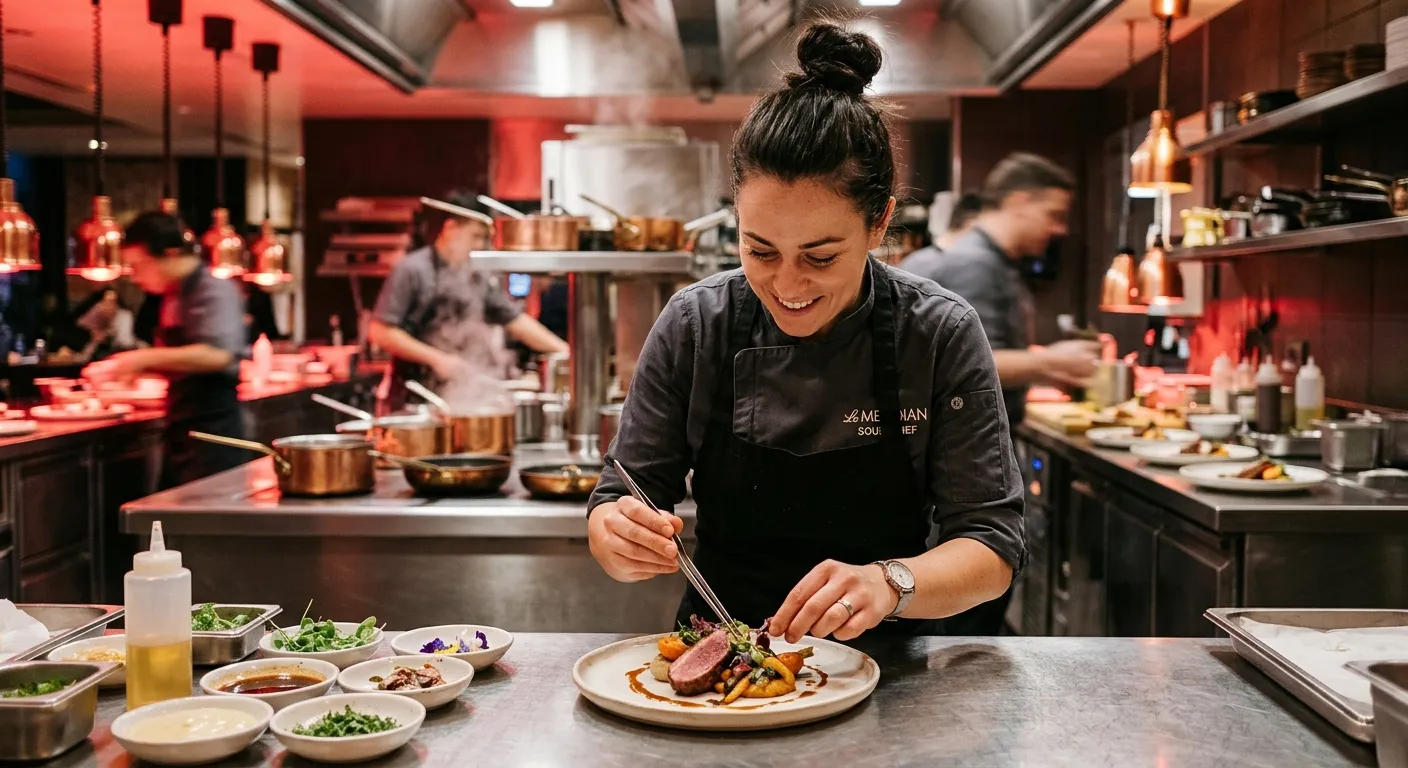
SEO Title: Chef Needed For Restaurant: Hire A Sous Chef Fast and Build Kitchen Strength. SEO Description: Chef Needed For Restaurant? Discover how to hire a sous chef, write compelling kitchen job specs, and recruit reliable chefs quickly with Catering Jobs.
When a kitchen suddenly feels short-staffed, service slows, costs rise, and guest confidence fades. A chef needed for restaurant vacancy is not just an empty position; it is a signal that your kitchen leadership, consistency, and capacity need reinforcement. Many owners search for a chef needed for restaurant because they need someone who can step in quickly, manage stock, mentor junior cooks, and maintain standards during busy shifts. This guide explains how to hire a sous chef and other kitchen professionals with clarity, speed, and long-term value. Whether you are running a neighbourhood bistro, a hotel restaurant, a contract catering site, or a high-volume casual dining brand, the right chef can protect margins while elevating guest experience.
Multi-Category Kitchen Vacancy Overview
A restaurant chef vacancy can cover many roles: head chef, sous chef, chef de partie, pastry chef, or relief chef. The first step is deciding what problem you need solved: leadership, production, service, menu development, or cost control. A clear brief helps candidates understand expectations and helps you shortlist faster.
Which Chef Role Fits Your Restaurant?
Hire A Sous Chef when you need a strong second-in-command who can run service, support the head chef, and train the team. Choose a head chef when the kitchen needs full ownership of menus, budgets, compliance, and culture. For immediate service gaps, temporary kitchen staff may be the fastest solution.
A Faster, Cleaner Hiring Process
Write a precise job specification, advertise on relevant chef channels, shortlist quickly, and arrange a trial shift. Keep communication clear so candidates do not drop out before seeing your kitchen. The best hires often come from a structured process, not a rushed one.
Budgeting for Kitchen Staffing
Budget for salary, agency fees, temporary cover, uniforms, training, and onboarding. The cheapest hire often becomes expensive if poor fit causes turnover, waste, or service failure. Investing in the right chef can improve food cost control, team morale, and guest retention.
Why Hiring the Right Chef Strengthens Your Restaurant
A well-chosen chef does more than cook. They protect the rhythm of service, improve consistency, and create a kitchen culture where staff want to stay. These benefits matter especially when you are filling a chef needed for restaurant vacancy under pressure.
Fast Service Coverage
The right chef can step into service quickly, reduce ticket times, and prevent bottlenecks during peak periods.
Menu Consistency
Skilled chefs maintain portioning, flavour, plating standards, and recipe accuracy across every shift.
Cost Control
Strong kitchen leadership reduces waste, improves stock rotation, and helps manage food and labour costs.
Team Leadership
A sous chef or head chef can mentor junior cooks, resolve conflicts, and build a more reliable brigade.
Compliance Confidence
Experienced chefs understand hygiene, allergens, temperature control, and safe working practices.
Long-Term Growth
A good hire can help launch new menus, improve supplier relationships, and support business expansion.
See How Hospitality Teams Fill Kitchen Roles Faster
Learn how employers and recruiters use structured briefs, fast shortlisting, and practical trial shifts to secure reliable chefs.
Why Hiring a Chef Needed For Restaurant Matters Now
A chef needed for restaurant often appears when the head chef leaves, seasonal demand rises, or a new menu increases production complexity. The impact is immediate: longer ticket times, inconsistent plating, higher overtime, and more guest complaints. Hiring the right chef stabilises the kitchen by restoring routine, accountability, and confidence. A sous chef can manage daily prep, supervise chefs de partie, control portioning, and support food hygiene. A head chef can own menu costing, supplier relationships, rosters, and training.
Many operators underestimate how quickly a kitchen vacancy affects profitability. When service is unreliable, front-of-house staff become stressed, table turns slow down, and repeat business weakens. That is why the hiring process should be structured, not improvised. Start by identifying the exact symptoms in your kitchen. Are you struggling with leadership, speed, quality, cost, or staff retention? The answer will shape the role you advertise and the type of chef you should hire.
Pro Tip:
Do not advertise for “a chef” alone. Define the operational problem first. If service is failing during peak hours, you may need a sous chef with strong supervision skills. If food cost is rising, you may need a head chef with procurement and budgeting experience.
Common Signs You Need a Strong Kitchen Hire
- Food quality varies between shifts.
- Junior staff are unsupervised and learning slowly.
- Overtime is increasing without better output.
- Menu development has stalled.
- Stock waste and portion control are poor.
- Guests are complaining about delays or cold plates.
Recognising these signs early helps you act before customer loyalty is damaged. A well-planned hire can restore order quickly, especially when the candidate understands your concept, volume, and team culture.
Choosing the Right Chef Role for Your Restaurant
Not every kitchen vacancy requires the same hire. Some restaurants need senior leadership, others need production strength, and some need flexible support during peak service. Understanding the differences helps you avoid overhiring or underhiring.
Head Chef
A head chef is the kitchen’s strategic leader. They own the menu, food cost, supplier relationships, compliance, and team culture. This role is ideal when your restaurant needs full accountability for quality and performance. If you are searching for head chef employment support, look for someone with proven budgeting, recruitment, and leadership experience. A strong head chef can transform a kitchen from reactive to proactive.
Sous Chef
Hire A Sous Chef when you need a reliable second-in-command who can run service, support the head chef, and develop the brigade. The sous chef is often the operational heartbeat of the kitchen: managing prep lists, controlling quality, training new chefs, and stepping in when service pressure increases. This role is especially useful when your kitchen already has strategic direction but needs stronger day-to-day execution.
Chef de Partie
A chef de partie runs a specific section such as starters, mains, grill, or sauces. This hire is ideal when one section is inconsistent or when your kitchen needs more production capacity. Strong chefs de partie are reliable, technically capable, and able to work under pressure. They may not lead the whole kitchen, but they directly protect service quality.
Relief and Temporary Chefs
Temporary cover can be the smartest move when you need immediate support during sickness, holidays, or seasonal peaks. A flexible catering staff agency can help you fill shifts quickly while you continue permanent recruitment. This approach protects service without forcing a rushed long-term hire.
How to Write a Restaurant Chef Job Description That Attracts Talent
A clear job description is one of the fastest ways to improve candidate quality. Many vacancies fail because they are too vague, too negative, or too focused on requirements instead of opportunity. Your advert should explain what the chef will actually do, what success looks like, and why your kitchen is worth joining.
- Role title: Use a precise title such as Sous Chef, Head Chef, or Chef de Partie.
- Cuisine and concept: Explain whether the kitchen is fine dining, casual, hotel, contract, or event-focused.
- Volume and service style: State covers per service, ticket pressure, and whether the kitchen uses fresh prep or batch cooking.
- Key responsibilities: Include menu execution, stock control, training, hygiene, and service leadership.
- Salary and benefits: Be transparent about pay, tips, meals, holidays, and development opportunities.
- Team culture: Describe the brigade size, reporting structure, and leadership style.
Expert Insight:
Experienced chefs often judge a restaurant by the clarity of its job advert. A well-written spec signals an organised kitchen and a professional employer. A vague advert can suggest poor management, even if that is not the case.
If you are advertising a chef needed for restaurant vacancy, include practical details such as rota expectations, weekend requirements, and whether candidates will be asked to complete a trial shift. Transparency reduces drop-outs and helps you attract chefs who are genuinely aligned with your operation.
Where to Hire A Sous Chef and Kitchen Staff Quickly
Finding the right chef is often a timing challenge. The best candidates are frequently employed, so you need channels that reach active and passive talent. Start by exploring chef vacancies and hospitality recruitment platforms that understand the industry. These platforms can help you compare roles, salary trends, and candidate expectations before you advertise.
If you need speed and quality, a specialist agency can shorten the process. A reputable kitchen staff recruitment agency in London or another major hospitality region can screen CVs, check availability, and present shortlisted candidates who already understand restaurant pressure. This is especially useful when your vacancy is urgent and the wrong hire could damage service.
Useful Hiring Channels
- Industry job boards
- Specialist hospitality agencies
- Local culinary colleges
- Staff referral programmes
- Social media groups
- Return-to-work candidates
What to Ask Before Hiring
- Can they manage peak service?
- Do they have cost control experience?
- Can they train junior staff?
- Are they flexible with rota demands?
- Have they worked in your cuisine style?
- Can they provide references?
Interviewing and Trial Shifts: How to Choose the Right Chef
Interviews reveal communication and motivation, but trial shifts reveal real kitchen performance. For a chef needed for restaurant role, a short practical trial is often the most reliable assessment method. During the trial, observe how the candidate prepares, organises, communicates, and reacts under pressure. Do not only look for technical flair; look for consistency, cleanliness, and teamwork.
Trial Shift Checklist
- Did they arrive prepared and punctual?
- Did they understand the menu and section requirements?
- Was their mise en place organised?
- Did they maintain hygiene and allergen awareness?
- Did they communicate clearly with the brigade?
- Did they adapt when service became busy?
- Did they show leadership or initiative?
- Did they leave the section clean and ready for the next shift?
Practical Tip:
Ask your existing team for feedback after the trial. A candidate may perform well technically but struggle with culture fit. Kitchen harmony matters as much as individual skill.
When interviewing senior candidates, ask for examples rather than opinions. Ask how they reduced waste, handled a difficult shift, trained a weak section, or managed a sudden staff shortage. Specific answers are more useful than general statements about passion and quality.
Temporary vs Permanent Kitchen Staffing
Temporary staffing can be a smart bridge when you need immediate cover or want to test a candidate before committing to a permanent role. It is especially useful during seasonal peaks, refurbishments, sickness, or unexpected resignations. A flexible temporary hire can keep service running while you search for the right long-term chef.
Permanent hiring is better when you need stable leadership, menu development, and team continuity. If your kitchen struggles with consistency, a permanent sous chef or head chef can create systems that last. The best strategy often combines both: temporary cover to protect service, and permanent recruitment to build strength.
When Temporary Works Best
Use temporary staff when you need speed, flexibility, or a trial period before a permanent hire.
When Permanent Works Best
Hire permanently when you need long-term leadership, culture development, and consistent kitchen standards.
Onboarding and Retention: Making the New Chef Succeed
Hiring is only the beginning. A new chef needs a clear induction, realistic expectations, and a supportive start. If they are thrown into service without proper orientation, even the best hire can struggle. Provide a written rota, menu overview, allergen list, supplier contacts, and a clear reporting structure. Pair them with a trusted team member for the first few shifts.
Retention depends on communication, respect, and growth. Regular check-ins, constructive feedback, and development opportunities reduce turnover. Chefs often leave not because of hard work, but because of unclear expectations, poor leadership, or lack of progression. If you hire a sous chef, give them real responsibility and visible support from the head chef or owner.
Frequently Asked Questions
Ready to Fill Your Chef Needed For Restaurant Vacancy?
Whether you need to hire a sous chef, secure temporary kitchen cover, or build a stronger permanent brigade, the right recruitment partner can help you move faster without compromising quality. Post your job today and connect with hospitality professionals who understand real kitchen demands.
Need senior kitchen leadership? Learn more about head chef recruitment and build a kitchen team that performs consistently under pressure.

