The Ultimate Guide to Hiring & Excelling in Medical Assistant Front Office Roles
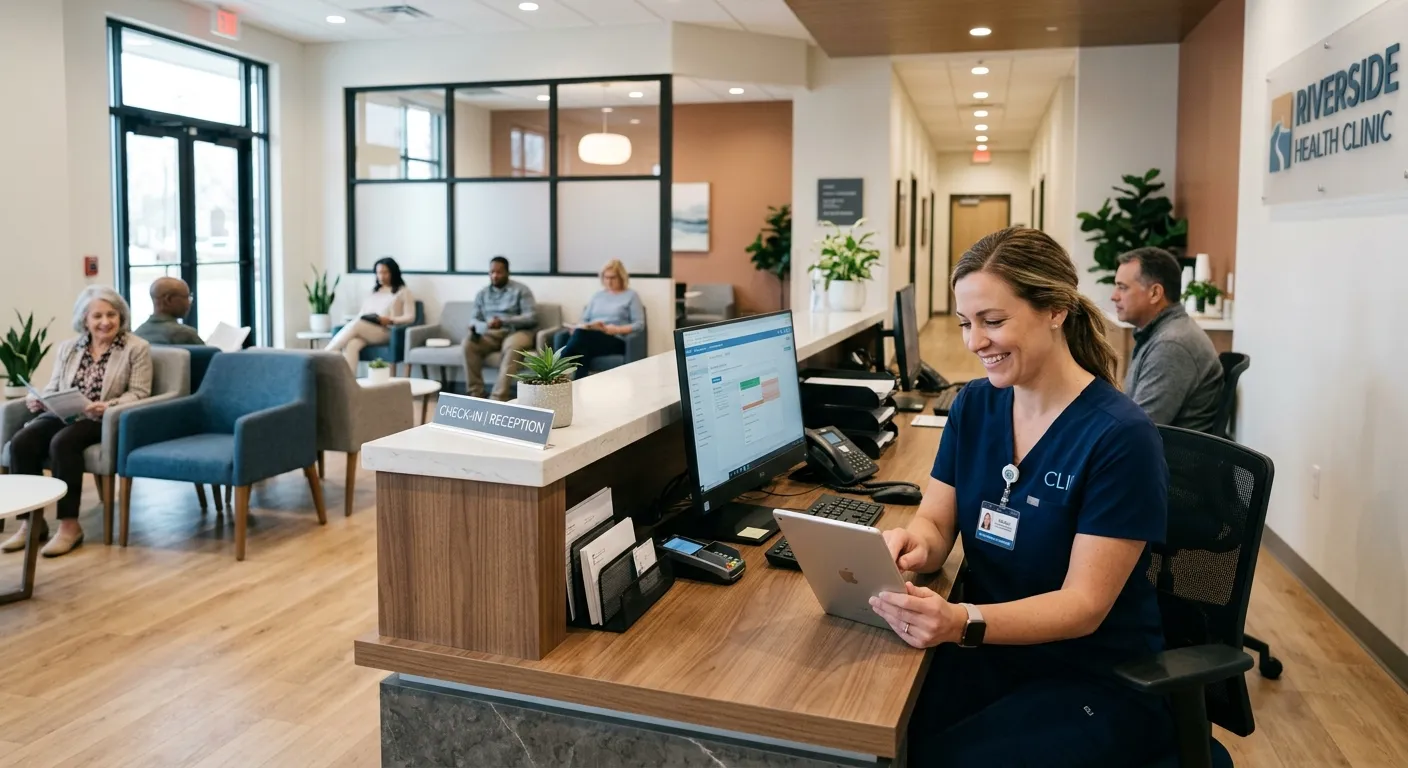
The Medical Assistant Front Office is the critical first point of contact and the operational heartbeat of any healthcare practice. This comprehensive guide explores the essential skills, hiring strategies, and expert insights needed to build a world-class front office team that enhances patient experience and streamlines clinic operations.
Mastering the Medical Front Office: A Multi-Category Overview
The Pivotal Role of the Front Office Medical Assistant
Unlike back-office clinical roles, the Medical Assistant Front Office professional operates at the nexus of patient care and administrative efficiency. They are responsible for creating the first and lasting impression of your practice. Their duties are multifaceted, encompassing patient greeting, appointment scheduling, insurance verification, medical records management, and handling sensitive patient inquiries with empathy and discretion.
The success of other healthcare roles, from surgeons to Rehabilitation Counselors, often hinges on the smooth groundwork laid by the front office. A disorganized reception can bottleneck an entire clinic, impacting patient satisfaction and clinical outcomes. Understanding this role's breadth is the first step to effective hiring and management.
Indispensable Skills for Front Office Excellence
The ideal candidate blends hard technical skills with exceptional soft skills. On the technical side, proficiency in Electronic Health Record (EHR) systems, medical billing codes (CPT, ICD-10), and practice management software is non-negotiable. They must navigate complex insurance portals and maintain meticulous attention to detail in documentation.
The soft skills are what truly differentiate a good assistant from a great one. This includes:
- Empathetic Communication: Ability to de-escalate anxious patients and explain procedures clearly.
- Multi-tasking & Prioritization: Juggling phone calls, check-ins, and administrative tasks in a fast-paced environment.
- Cultural Competency: Serving a diverse patient population with respect and understanding.
- Problem-Solving: Resolving scheduling conflicts, insurance discrepancies, and patient concerns independently.
Strategic Hiring for Your Front Office Team
Finding the right Medical Assistant Front Office staff requires a targeted approach. Generic job boards often yield unqualified candidates. Instead, leverage specialized healthcare recruitment platforms or partner with agencies that understand the unique blend of skills required. Just as you would seek expert Recruitment Solutions for a Head Chef role, the medical front desk deserves the same precision.
💡 Pro-Tip: During interviews, use role-playing scenarios. Present a candidate with a simulated angry patient call or a complex scheduling puzzle. Their real-time reaction is more telling than any resume bullet point.
Consider the value of temp-to-perm arrangements. This allows you to evaluate a candidate's performance in your specific environment before making a permanent commitment, mitigating hiring risk—a strategy also highly effective in sectors like Warehouse operations.
Career Advancement & Development Paths
The Medical Assistant Front Office role is a springboard to numerous healthcare administration careers. With experience, individuals can advance to Office Manager, Practice Administrator, or Billing Supervisor roles. Pursuing certifications in medical coding (CPC) or healthcare administration further accelerates this growth. This career trajectory mirrors the progression seen in Hospitality, where front-of-house experience leads to management.
Investing in continuous training for your front office staff—on new software, compliance regulations (like GDPR/HIPAA), and customer service excellence—not only boosts retention but also directly improves patient care quality and practice revenue.
Why Investing in a Top-Tier Front Office is Non-Negotiable
Enhanced Patient Experience & Loyalty
A warm, efficient check-in process reduces patient anxiety and builds trust. Positive front-office interactions are directly correlated with higher patient satisfaction scores, online reviews, and retention rates, forming the foundation of a successful practice.
Optimized Revenue Cycle & Cash Flow
Accurate insurance verification, co-pay collection, and clean claim submission start at the front desk. A skilled Medical Assistant Front Office professional minimizes billing errors and denials, ensuring faster reimbursement and healthier practice finances.
Maximum Clinical Efficiency
By managing schedules, prepping charts, and handling communications, the front office allows clinical staff—doctors, nurses, Doulas—to focus solely on patient care. This reduces wait times and increases the number of patients seen per day.
Salary Insights, Compliance, and the Modern Hiring Landscape
Navigating Compensation & The UK Inhand Salary Calculator
Determining competitive compensation is crucial for attracting and retaining talent. Salaries for Medical Assistant Front Office roles vary based on location, experience, practice size, and specialty. In the UK, tools like the UK Inhand Salary Calculator are invaluable for employers and job seekers alike. They help translate a gross salary into a clear net"take-home" figure, accounting for tax, National Insurance, and pension contributions.
Using this calculator during the hiring process fosters transparency. You can present a candidate with a clear picture of their actual earnings, just as you would for roles in London or Nottingham. For example, offering a gross salary of £28,000 might result in a net monthly income of approximately £1,900. Understanding this breakdown helps manage expectations and demonstrates that you value candid communication from the outset.
The Critical Role of Compliance & Data Security
The front office handles the most sensitive data: patient health records (PHI). Therefore, compliance with regulations like the UK's Data Protection Act (GDPR) and the Care Quality Commission (CQC) standards is paramount. A single data breach can result in massive fines and irreparable reputational damage.
Your Medical Assistant Front Office team must be rigorously trained in data privacy protocols—secure login practices, proper disposal of physical records, and encrypted communication. Their role as data gatekeepers is as critical as their customer service function. Regular audits and training updates are essential, similar to the compliance needs in high-security sectors like Counter Terrorist Cleared work.
Adapting to Flexible & Hybrid Work Models
The post-pandemic world has reshaped office work, and medical administration is no exception. While a physical presence is often required for patient interaction, many back-office tasks—billing, coding, appointment reminders—can be performed remotely. This opens up a wider talent pool and can improve work-life balance for staff.
⚠️ Key Consideration: If implementing hybrid models, ensure remote staff have secure, HIPAA/GDPR-compliant access to necessary systems. Clear communication protocols must be established to prevent front-desk and remote staff from working at cross-purposes.
This flexible approach is becoming standard across industries, from Catering management to HR Recruitment. Embracing it can make your practice a more attractive employer in a competitive job market.
Frequently Asked Questions: Medical Assistant Front Office
The core distinction lies in patient interaction and task focus. The Medical Assistant Front Office role is predominantly administrative and patient-facing. They manage reception, scheduling, billing, and patient communication. The back office Medical Assistant works directly with clinicians in exam rooms, taking vitals, preparing patients, assisting with minor procedures, and handling lab specimens. Some roles are combined in smaller practices, but in larger clinics, specialization is common.
While not always mandatory, certifications significantly boost employability and salary potential. Key certifications include:
- Certified Medical Administrative Assistant (CMAA): Focuses on front-office skills like scheduling, records management, and basic insurance.
- Certified Professional Coder (CPC): For roles heavily involved in medical billing and coding.
- Healthcare Information Technology (HIT) Certifications: Demonstrates proficiency with specific EHR systems like Epic or Cerner.
- Data Protection/GDPR Certification: Extremely valuable in the UK, showing expertise in handling sensitive patient data.
Speed without compromising quality is the challenge. The most effective method is to partner with a specialized healthcare staffing agency that maintains a vetted pool of candidates. They can pre-screen for technical skills and cultural fit, presenting you with only the most qualified applicants. For immediate, urgent needs, you can also post a dedicated job listing on niche healthcare job boards. This targeted approach, similar to finding Urgent Van Driver staff, gets your role in front of the right people faster than general advertising.
Key challenges include emotional labour (dealing with distressed patients), interrupt-driven workflow, and pressure from clinical staff to keep schedules moving. Managers can support by:
- Providing regular de-briefing sessions and access to resources for managing stress.
- Implementing clear protocols and empowering staff to make small decisions (like rescheduling rules) to reduce bottlenecking.
- Investing in technology that automates repetitive tasks (e.g., automated appointment reminders).
- Fostering a team culture where clinical and administrative staff respect each other's roles and communicate effectively.
Ready to Transform Your Medical Front Office?
Whether you need to hire a skilled Medical Assistant Front Office professional immediately or are looking to build a long-term, high-performance administrative team, taking decisive action is key. Don't let an understaffed or under-skilled front desk impact your patients' experience or your practice's bottom line.
Find the perfect candidate for your clinic, just as leading venues find their Premier Hospitality staff. Start building a stronger first impression today.
Case Study: Implementing a Front Office Overhaul at"The Grove Medical Practice"
To illustrate the transformative power of a strategic focus on the front office, let's examine a real-world scenario."The Grove Medical Practice," a mid-sized family clinic in Manchester, was struggling with long patient wait times, frequent scheduling errors, and declining satisfaction scores. Their front office was staffed by a well-intentioned but under-trained team relying on a patchwork of manual processes and outdated software.
The 90-Day Transformation Plan
The practice manager implemented a three-phase plan focused on People, Process, and Technology:
- Week 1-4: Assessment & Upskilling (People): A skills gap analysis was conducted. Two existing staff members were enrolled in a CMAA certification course. A new hire was brought in via a temp-to-perm contract, specifically targeting a candidate with advanced EHR (SystmOne) experience.
- Week 5-8: Process Redesign (Process): They mapped the entire patient journey from phone call to checkout. Bottlenecks were identified—namely, manual insurance verification and a chaotic physical filing system. Clear, written protocols were created for every common scenario, from same-day appointment requests to handling patient complaints.
- Week 9-12: Technology Integration (Technology): The practice invested in an integrated check-in kiosk and a cloud-based phone system with automated queues and call-back features. This freed up the Medical Assistant Front Office team to handle more complex queries and proactively manage the flow of patients.
Results After 6 Months: Patient wait times decreased by 40%. Front-office-related billing errors dropped by 65%. Staff reported lower stress levels and higher job satisfaction. The practice saw a 15% increase in new patient registrations, attributed directly to positive word-of-mouth about the efficient and friendly reception experience. This case underscores that investment in the front office yields a direct, measurable ROI.
The Evolving Toolkit: Essential Software & Technology
Beyond soft skills, a modern Medical Assistant Front Office professional must be adept with a suite of digital tools. Proficiency is no longer just about data entry; it's about leveraging technology to enhance every patient touchpoint.
Core Practice Management & EHR Systems
The electronic health record (EHR) is the central nervous system of the clinic. Front office staff must be experts in their practice's specific platform, whether it's EMIS, SystmOne, or Cerner. Key front-office functions within these systems include:
- Master Schedule Management: Blocking time for different appointment types, factoring in provider preferences, and understanding clinic capacity.
- Patient Portal Administration: Managing patient sign-ups, troubleshooting login issues, and monitoring the flow of digital messages and document requests.
- Clinical Correspondence: Scanning and filing incoming hospital letters and lab results directly into the correct patient record, a task requiring meticulous accuracy.
Specialized Front-Office Applications
Increasingly, specialized tools are layered on top of core EHRs to streamline specific front-office tasks:
- Digital Check-In & Kiosks: Software like Qmatic or Phreesia allows patients to self-check-in, verify demographics, and complete forms on a tablet, reducing queue pressure.
- Automated Patient Communication Platforms: Tools such as Accurx or DoctorLink automate SMS reminders, send pre-appointment questionnaires, and manage flu jab invitations, turning the front office into a proactive communication hub.
- Cloud-Based Phone & Analytics: Systems like RingCentral or 8x8 provide call recording (with consent), analytics on call volume/peak times, and seamless call transfer to mobile devices for hybrid staff.
A candidate's willingness and ability to learn new software is as crucial as their current technical knowledge. During hiring, ask about their experience with specific systems or present a brief test scenario using a demo version of your software.
Building a Cohesive Team: The Front Office-Back Office Dynamic
The efficiency of a healthcare practice hinges not on isolated departments, but on the seamless collaboration between the Medical Assistant Front Office and the clinical back-office team. Tension between these groups is a common but costly problem that managers must actively prevent.
Strategies for Fostering Collaboration
1. Shared Daily Huddles
A 10-minute morning meeting involving both front and back-office staff sets the tone. The front office can highlight potential schedule challenges (e.g., a patient with complex needs, a fully booked doctor), while clinicians can communicate if they are running behind. This transparency prevents blame and fosters a"we're in this together" mentality.
2. Cross-Training Sessions
Occasionally having a back-office MA cover a front-office lunch break (and vice versa) builds immense mutual respect. The clinical team gains appreciation for the barrage of phone calls and administrative complexity, while the front office understands the clinical pressures and the importance of accurate chart preparation.
3. Unified Performance Metrics
Instead of measuring the front office solely on call answer rates and the back office on patient volume, introduce shared goals. For example, a combined metric for"Patient Journey Time" (from check-in to checkout) aligns both teams toward the common objective of patient flow efficiency. Celebrating successes that require both teams reinforces collaboration.
This integrated approach mirrors successful models in other service industries. Just as a restaurant's success depends on the synergy between the kitchen (back office) and the waitstaff (front of house), a clinic thrives when its administrative and clinical hearts beat in unison.

