The Definitive Guide to Hiring and Succeeding as a Pastry Sous Chef
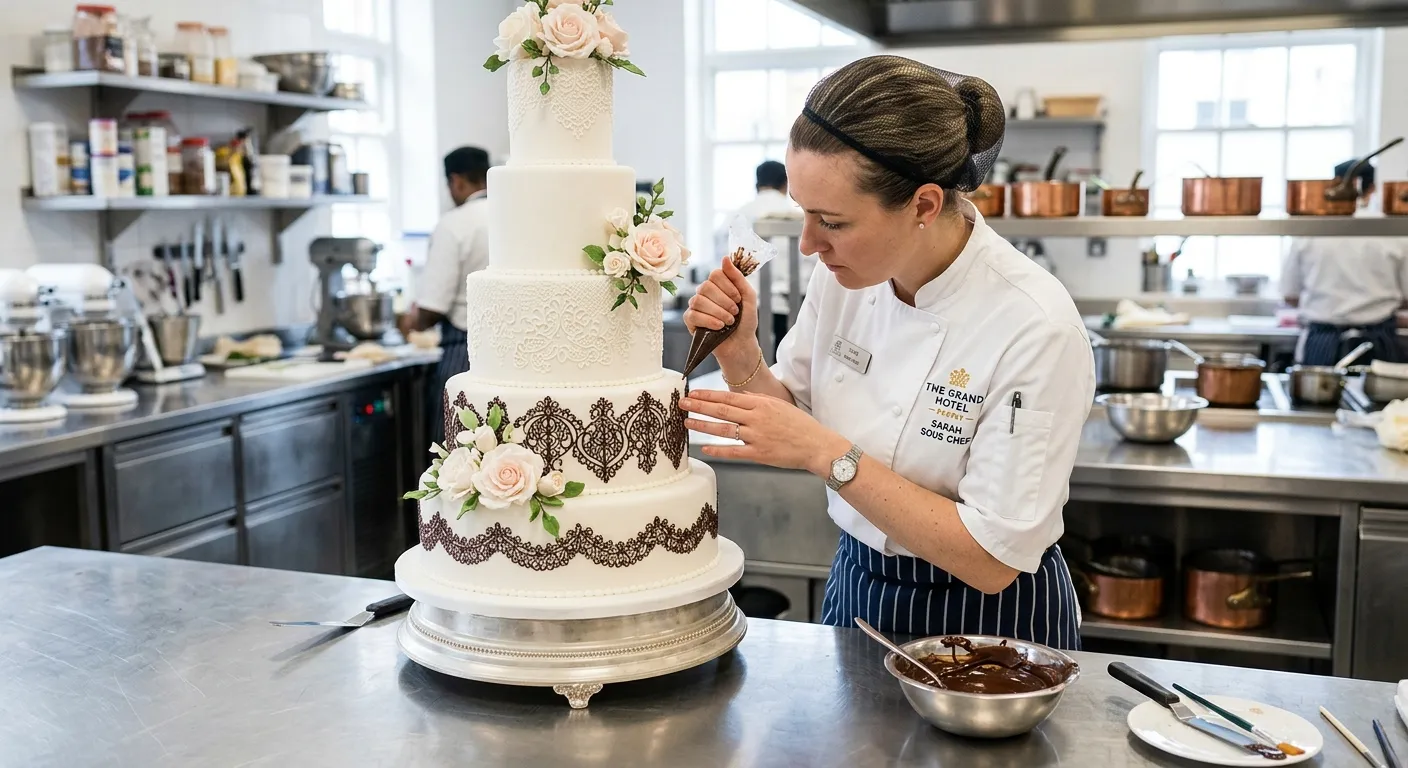
Elevate your pastry department. This comprehensive guide explores the critical role of the Pastry Sous Chef, from essential skills and hiring strategies to career advancement and expert insights for employers and culinary professionals.
Mastering the Pastry Sous Chef Role: A Multi-Faceted View
Whether you're looking to hire, become one, or understand this pivotal position, start by exploring the core dimensions below.
Strategic Hiring for Pastry Excellence
Hiring the right Pastry Sous Chef is a strategic investment in quality, consistency, and innovation. They are the operational backbone of your pastry department, directly impacting customer satisfaction and profitability. A specialized Catering Staff Agency can be invaluable in sourcing pre-vetted candidates with the precise technical and managerial skills you need, much like how agencies streamline hiring for Urgent Van Driver Jobs In London NW1.
- Define the Profile: Beyond baking skills, look for leadership, cost-control acumen, and menu development experience.
- Leverage Specialized Networks: Partner with a Chef Provider Agency to access a hidden talent pool not found on general job boards.
- Assess Holistically: Use practical trials (e.g.,"create a dessert for a VIP event") to evaluate creativity under pressure and kitchen management.
- Competitive Offers: In a candidate-short market, attractive packages must include career development paths, not just salary.
Building Your Path to Pastry Leadership
The journey to Pastry Sous Chef is one of technical mastery evolving into leadership. It's the critical step before roles like Head Chef. Success requires a blend of artistry, science, and people skills. For those seeking their next challenge, exploring Premier Hospitality Jobs In Wolverhampton can reveal opportunities in diverse settings.
- Master the Fundamentals: Excellence in bread, viennoiserie, chocolate, sugar, and plated desserts is non-negotiable.
- Develop"Kitchen Spanish": Learn to communicate clearly, delegate effectively, and mentor junior cooks with patience.
- Think Like a Business Owner: Understand food costs, waste management, and inventory to prove your value beyond the oven.
- Build a Portfolio: Document your creations and menu contributions. This visual CV is powerful in interviews.
The Evolving Landscape of Pastry Arts
The pastry sector is dynamic, influenced by consumer trends, technology, and labour markets. A Pastry Sous Chef must now be adept at plant-based alternatives, dietary restriction menus, and sustainable sourcing. The demand for flexible, skilled talent mirrors trends in other sectors, such as the need for rapid deployment seen in Urgent Short Term Catering Jobs in PL15.
- Sustainability & Ethics: Zero-waste initiatives and ethically sourced ingredients are moving from niche to mainstream.
- Health-Conscious Creativity: Demand for low-sugar, gluten-free, and vegan pastries that don't compromise on taste is soaring.
- Technology Integration: From precision sous-vide for custards to inventory management software, tech savviness is key.
- Cross-Industry Mobility: Skills are transferable to high-end hotels, boutique patisseries, cruise lines, and premium event catering.
Why the Pastry Sous Chef is Indispensable
This role is the critical linchpin between vision and execution. Here are the core pillars of their value.
Operational Excellence & Consistency
The Pastry Sous Chef ensures every croissant is perfectly laminated, every dessert plate is identical, and production runs like clockwork. They implement and maintain standards, directly guarding the brand's reputation for quality. This operational rigor is as crucial in a pastry kitchen as it is in managing Warehouse Jobs logistics.
Team Leadership & Mentorship
They translate the Executive Pastry Chef's vision into actionable tasks for the team. A great sous chef trains, motivates, and develops commis and pastry cooks, building a strong talent pipeline. This people-focused skill is a cornerstone of all successful Hospitality operations, fostering a culture where staff thrive and stay.
Cost Control & Inventory Management
Profitability hinges on their watch. They manage expensive ingredients (vanilla, chocolate, nuts), minimize waste through creative utilization, and ensure accurate ordering. Their direct impact on the gross profit margin makes them a key financial stakeholder in the kitchen, a responsibility shared with roles like Catering General Manager.
Innovation & Menu Development
While the Head Chef sets the direction, the Pastry Sous Chef is often the engine of R&D. They experiment with new techniques, seasonal ingredients, and contemporary presentations, contributing directly to menu cycles and keeping the offering fresh and competitive.
Crisis Management & Adaptability
When a key staff member calls in sick or a delivery fails, the sous chef finds the solution. They recalibrate production schedules, step in to cover stations, and ensure service proceeds seamlessly. This adaptability is critical, similar to how agencies provide cover for Event Catering Staff at short notice.
Bridge Between Kitchen & Management
They communicate kitchen needs (equipment, staffing) upwards and filter management directives downwards effectively. This dual-allegiance role is essential for smooth operations and aligning the pastry team's goals with the business's objectives.
The Hiring Process: Finding Your Ideal Pastry Sous Chef
A strategic, multi-stage hiring process is vital to identify a candidate who possesses both the hard skills and the soft leadership qualities required. Rushing this hire can lead to costly turnover and operational instability. For many businesses, partnering with a specialist Chef Provider Agency streamlines this complex process, providing access to pre-screened talent and market insights, much like specialized Recruitment Solutions in other fields.
Stage 1: Crafting the Compelling Job Specification
Your job spec is your first impression. Move beyond a dry list of duties. Describe your kitchen's culture, your signature style (e.g., modern French, artisan bakery), and the growth opportunities you offer. Be specific about requirements:
- Non-Negotiables: Minimum 3-5 years in a professional pastry kitchen, with at least 1-2 in a senior commis or junior sous role. Proven competency in chocolate tempering, sugar pulling, and laminated doughs.
- Leadership Evidence: Ask for examples of when they trained a team member, handled a supplier issue, or contributed to a menu change.
- Business Acumen:"Experience managing a section budget" or"familiarity with GP% targets" signals you value commercial awareness.
Stage 2: The Practical Assessment – Beyond the Interview
The interview reveals personality and ambition, but the practical test reveals capability. Design a scenario relevant to your operation:
Pro-Tip: The Ultimate Practical Test
Don't just ask for a"showpiece." Give them a real-world brief:"Here are our current dessert menu bestsellers and slow-movers. Using these seasonal ingredients (provide a basket), develop and plate one new dessert concept that fits our brand and cost structure. Afterwards, walk us through your creative process, costing, and how you would teach the team to replicate it." This assesses creativity, business thinking, and teaching ability simultaneously.
This hands-on evaluation is as critical as verifying certifications for specialized roles like Counter Terrorist Cleared personnel in secure environments.
Stage 3: Onboarding for Long-Term Success
A structured onboarding plan is your investment in retention. The first 90 days are crucial.
- Weeks 1-2: Immersion. Introduce them to the entire team, not just pastry. Have them shadow key personnel, understand your supply chain, and learn your POS and inventory systems.
- Weeks ({3-6}: Gradual Authority. Let them take over production scheduling and team briefings with your support. Co-develop their first small menu addition or special.
- Weeks 7-12: Integration & Review. They should be running daily service independently. Hold a formal review to align on goals, challenges, and their career path within your organisation.
Expert Insight Video
Watch our experts discuss how to identify top talent in competitive markets, a challenge faced across sectors from pastry to logistics.
Video Summary: This guide covers smart hiring strategies to overcome skill shortages, directly applicable to finding your next stellar Pastry Sous Chef.
Need to Hire Fast?
For urgent needs, a dedicated Kitchen Staff Recruitment Agency In London or other regions can provide qualified, available candidates on a temporary or permanent basis, ensuring your service never falters.
Post Your Job NowCareer Trajectory: From Commis to Executive Pastry Chef
The Pastry Sous Chef role is a pivotal career crossroads. Understanding this pathway helps chefs plan and employers support growth.
Commis Pâtissier (Year 1-3)
The foundation. Focus is on mastering basic techniques across all stations (bread, desserts, chocolate), learning speed, cleanliness, and kitchen etiquette. Success here is about curiosity, stamina, and attention to detail.
Demi Chef de Partie / Chef de Partie (Year 3-5)
Specialization begins. Running a specific section (e.g., entremets, viennoiserie). Responsibility for that section's mise-en-place, quality, and potentially training a commis. The first step into leadership and accountability.
Pastry Sous Chef (Year 5-8+)
The Leadership Leap. Shifts from a section expert to a department manager. Skills expand to encompass scheduling, ordering, cost management, and holistic menu development. This is the proving ground for executive potential. Many chefs use roles found through a Temporary Catering Staff Agency to gain varied experience at this stage.
Executive Pastry Chef / Head of Pastry
The pinnacle. Focus shifts to overall creative vision, strategic menu planning, high-level budgeting, and brand ambassadorship. They lead multiple sous chefs and are responsible for the pastry department's alignment with the overall business strategy.
Frequently Asked Questions: Pastry Sous Chef
Clear answers to the most common queries from employers and chefs.
What's the key difference between a Pastry Chef and a Pastry Sous Chef?
The Executive Pastry Chef (or Head Pastry Chef) is the visionary and strategic leader. They set the creative direction, manage the department budget, and interface with senior management. The Pastry Sous Chef is the tactical operator and second-in-command. They translate that vision into daily production, manage the team's workflow, enforce standards, and handle the hands-on execution. Think of it as the difference between architect and site foreman.
How can a Chef Provider Agency help me hire a Sous Chef?
A specialist Chef Provider Agency acts as an extension of your HR team. They have deep networks within the culinary community, often knowing candidates who aren't actively job searching. They pre-screen for both technical skills and cultural fit, saving you countless hours. They understand market salary rates and can manage the initial interview logistics. This is especially valuable for niche roles or urgent needs, similar to how agencies fill HR Recruitment Jobs Leeds.
What are the most common mistakes a new Pastry Sous Chef makes?
Two major pitfalls: 1. Failing to delegate. Trying to do everything themselves because"it's faster," which burns them out and stunts team growth. 2. Communicating poorly with their Executive Chef. Not providing updates on issues (staff, costs, quality) or failing to ask for clarity on expectations. Successful sous chefs learn to trust their team and maintain transparent, proactive communication with their manager.
Is experience in a hotel or restaurant more valuable for this role?
Both offer excellent but different experience. High-volume hotels teach banquet production, strict consistency, and working within a large, hierarchical team structure. Fine-dining restaurants often emphasize extreme precision, artistic plating, and rapid menu innovation. The"best" background depends on your operation. A candidate with both, perhaps gained through temporary agency work, can be exceptionally well-rounded.
How important are formal qualifications vs. on-the-job experience?
In the UK hospitality sector, a strong blend is ideal. Formal qualifications (NVQ, City & Guilds, diplomas from culinary schools) provide a structured foundation in theory, food safety, and core techniques. However, proven on-the-job experience in reputable kitchens is often the primary decider. A candidate with 5 years of progressive experience in top kitchens may be preferred over a newly graduated candidate with a diploma but no high-pressure service experience. The portfolio and practical test ultimately prove capability.
Ready to Elevate Your Pastry Department?
Whether you're an employer seeking a talented Pastry Sous Chef to drive your team forward, or a skilled chef ready to take the next step in your leadership journey, the right opportunity starts with a connection.
Need expert guidance? Explore our Catering Recruitment resources or contact our specialist team for tailored Recruitment Outsourcing solutions.

