The Ultimate Guide to Sous Chef Work: Skills, Career Path & Hiring Excellence
Master the art of kitchen leadership. Explore in-depth insights into the demanding, rewarding world of the Sous Chef, and discover how to hire or become the culinary second-in-command that every restaurant needs.
Navigating Sous Chef Work: A Multi-Faceted Role
The role of a Sous Chef is complex and varies by establishment. Use the tabs below to explore the core aspects of this critical position.
The Day-to-Day Command of Sous Chef Work
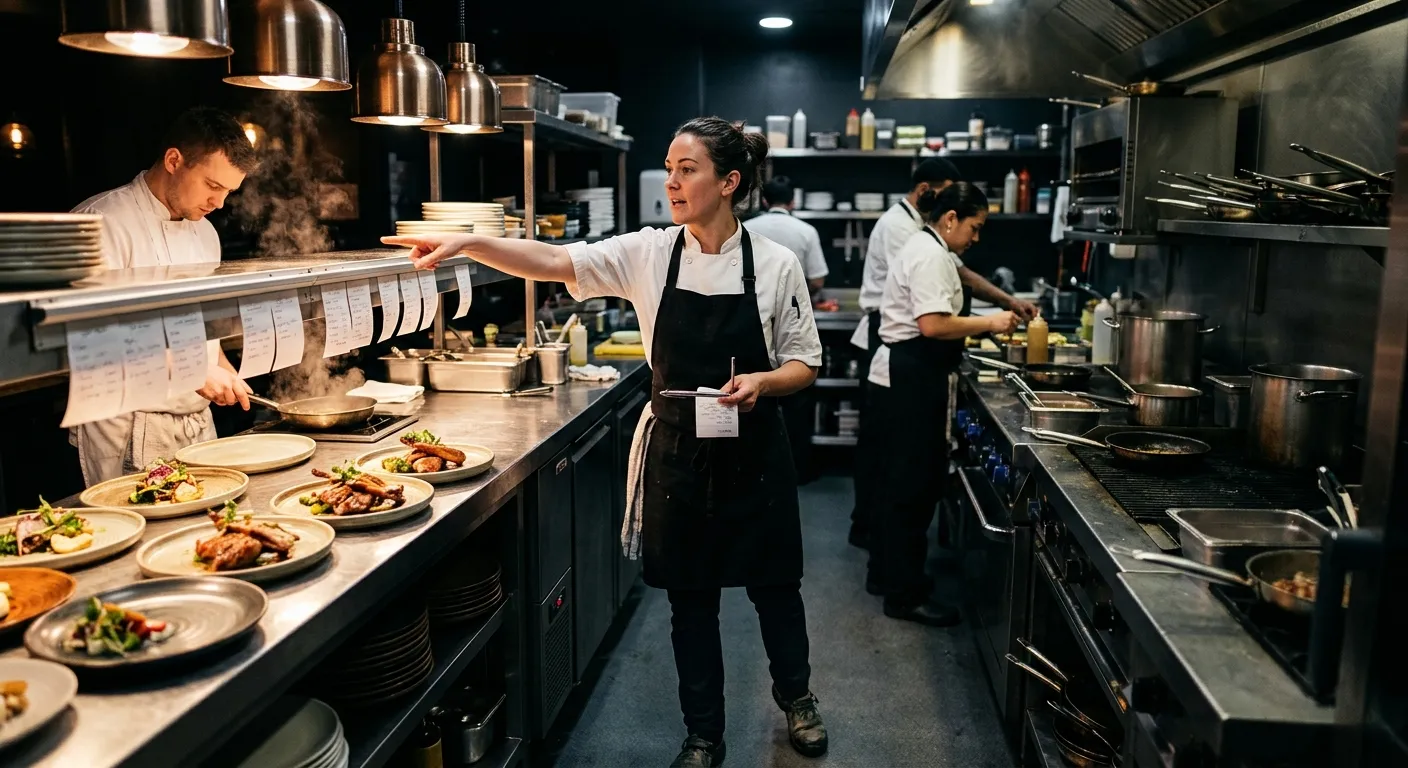
A Sous Chef is the operational backbone of the kitchen, directly translating the Head Chef's vision into actionable service. This goes far beyond just cooking.
- Kitchen Management & Expediting: Running the"pass," calling tickets, ensuring timing and plating are perfect for every dish that leaves the kitchen. This requires immense focus and calm under pressure.
- Staff Supervision & Training: Directly managing line cooks, kitchen assistants, and prep staff. A great Sous Chef is a teacher, mentoring junior talent and upholding standards.
- Inventory & Ordering: Monitoring stock levels, placing orders with suppliers, and managing food costs—a critical financial responsibility.
- Menu Development Support: Collaborating on specials, testing new recipes, and providing feedback on menu engineering.
- Health & Safety Compliance: Enforcing strict hygiene protocols, conducting audits, and ensuring the kitchen meets all regulatory standards.
The Non-Negotiable Skill Set for Success
Technical culinary prowess is a given. The differentiators are the leadership and operational skills.
Leadership & Communication
Must command respect without intimidation. Clear, concise communication during peak service is vital to coordinate a team, much like a Warehouse Supervisor coordinates a logistics team.
Organizational Mastery
Juggling prep lists, staff schedules, and delivery timelines requires a systematic mind. Disorganization here leads to waste and service failures.
Problem-Solving Under Fire
When a key ingredient is missing or three tickets come in simultaneously for the same complex dish, the Sous Chef must innovate and adapt instantly.
Financial Acumen
Understanding food cost percentages, portion control, and labor costs is essential for profitability, a skill shared with Catering General Managers.
Where Sous Chefs Thrive: Diverse Culinary Landscapes
Sous Chef Work is not confined to fine dining. The skills are transferable across the entire hospitality sector.
- High-Volume Restaurants & Hotel Kitchens: Fast-paced, structured environments with large teams and complex banqueting, similar to the demands of stadium catering jobs.
- Specialist & Fine Dining: Focus on meticulous technique, premium ingredients, and innovation. The pressure for perfection is immense.
- Contract & Offshore Catering: Managing kitchens in remote locations like oil rigs or corporate campuses. Requires exceptional planning and resilience.
- Event & Wedding Catering: Project-based work with a focus on logistics, menu customization for large groups, and flawless execution on the day.
- Corporate Dining & Education: Balancing scale, nutrition, budget, and consistent quality for a captive daily clientele.
Why Invest in Top-Tier Sous Chef Work?
The impact of a skilled Sous Chef radiates throughout a business, affecting culture, finance, and customer satisfaction.
Operational Excellence & Consistency
A strong Sous Chef ensures the Head Chef's standards are met every service, reducing errors and waste. They are the guarantor of consistent quality, whether for a local bistro or for major events in Sheffield. This reliability is the foundation of reputation and repeat business.
Team Development & Retention
They are the direct line of leadership for kitchen staff. A supportive, skilled Sous Chef creates a positive, productive culture that reduces turnover—a huge cost saver. Investing in this role is investing in your entire kitchen's morale and skill level, much like effective recruitment solutions invest in the whole workforce.
Cost Control & Profitability Guardian
Through vigilant inventory management, portion control, and minimizing spoilage, a proactive Sous Chef directly protects the bottom line. Their daily decisions can mean the difference between profit and loss, a responsibility as critical as in any warehouse or logistics operation where inventory is key.
The Career Path: From Line Cook to Head Chef
Sous Chef Work is the most critical proving ground for culinary leadership. It's not merely a job; it's an apprenticeship for command. Understanding this journey helps in hiring the right candidate or planning your own career ascent.
The Typical Progression
Most Sous Chefs have 5-10 years of experience, having mastered every station on the line (sauté, grill, pantry, etc.). They often progress from roles like Kitchen Assistant to Commis Chef, to Chef de Partie (Station Chef), and finally to Junior Sous Chef before taking full Sous Chef responsibilities. This grind is essential—it builds the muscle memory and situational awareness needed to lead.
Pro-Tip: The"Chatbot Optimization Specialist" of the Kitchen
Think of a modern Sous Chef as a Chatbot Optimization Specialist for kitchen workflows. Where the AI specialist analyzes user queries and streamlines digital interactions for efficiency, the Sous Chef analyzes dinner service tickets, optimizes the flow of dishes from kitchen to pass, and streamlines communication between front and back of house. Both roles are about creating seamless, efficient systems—one digital, one deliciously analog.
Beyond the Brigade: Alternative Paths
The skills acquired are highly transferable. Many Sous Chefs pivot successfully into:
- Food Product Development: Working for manufacturers or supermarkets.
- Culinary Education: Teaching at vocational schools or running private classes.
- Food Styling & Media: For photography, television, or film.
- Consultancy: Helping new restaurants design kitchens and operational systems.
Watch: From Kitchen Helper to Head Chef: The Ultimate Catering Career Guide!
Hiring for Sous Chef Work: A Strategic Guide
Finding the right Sous Chef is one of the most important hires a restaurant will make. It requires looking beyond the CV to assess leadership, cultural fit, and operational intelligence.
Key Hiring Criteria
-
Proven Leadership in High-Pressure Scenarios
Ask for specific examples of how they handled a service crisis, a staffing shortage, or a major complaint. Look for calm, decisive action.
-
Systems & Process Orientation
A great Sous Chef brings order. Inquire about their systems for scheduling, inventory, and mise-en-place. Their answer should be structured and clear.
-
Cultural Architect
They will shape your kitchen's daily environment. Discuss their management philosophy. Do they foster collaboration and respect, or rely on fear? The former retains talent.
Streamline Your Search with Expert Recruitment
The market for skilled Sous Chefs is competitive. Partnering with a specialized agency provides access to a pre-vetted talent pool and saves valuable time. Whether you need a permanent leader for a fine-dining establishment or temporary cover for a seasonal event in SN5, the right partner makes all the difference.
This is similar to how businesses use targeted strategies for warehouse recruitment or finding specialist chefs in New England—it's about precision and sector knowledge.
Frequently Asked Questions on Sous Chef Work
Get clear, expert answers to the most common questions about this pivotal role.
While the Head Chef is the visionary—focusing on menu creation, overall business strategy, and public relations—the Sous Chef is the chief operating officer of the kitchen. They are responsible for the day-to-day execution of that vision: managing staff, controlling inventory, and ensuring every service runs smoothly. The Head Chef sets the destination; the Sous Chef navigates the ship there, every single day.
Salaries vary widely based on location, establishment type (fine dining vs. casual), and volume. In the UK, a Sous Chef can expect a range from £28,000 to £45,000+, with senior roles in top London restaurants commanding higher figures. Benefits often include meals, potential for bonuses, and opportunities for career progression. For specific regional insights, checking dedicated job boards for areas like Maida Vale or Wolverhampton can provide current market rates.
The key is de-escalation and post-service resolution. During service, a Sous Chef must give clear, direct instructions to solve the immediate problem (e.g.,"Remake this plate, now."). Personal conflicts should be addressed after the shift in a private setting. Effective Sous Chefs lead by example, remain calm, and focus on the shared goal of excellent service rather than personal blame. Developing these soft skills is as crucial as any culinary technique.
Absolutely. The skills are highly transferable and often in high demand. Event catering requires exceptional logistical planning, adaptability, and the ability to produce high-quality food for large numbers off-site—all core Sous Chef competencies. Experience in a busy restaurant kitchen provides the perfect foundation for moving into event catering roles, luxury inflight chef jobs, or even managing catering for large-scale projects.
Ready to Elevate Your Kitchen Leadership?
Whether you're a restaurant owner seeking the perfect second-in-command or an ambitious chef ready to step into a Sous Chef role, the next step is crucial. Partner with a platform that understands the precision and passion required for exceptional Sous Chef Work.
Find the talent or opportunity that drives culinary excellence. Explore more insights on our industry blog.
Sous Chef Work in Action: Real-World Scenarios & Case Studies
Theory meets practice. Explore how the principles of Sous Chef Work play out in real kitchens, shaping outcomes and defining success.
Case Study: The Turnaround Sous Chef
Situation: A well-reviewed, independent restaurant in Manchester was struggling with inconsistent dinner service, high staff turnover, and food costs creeping above 38%. The Head Chef was stretched thin between creative duties and operations.
Action: A new Sous Chef was hired with a mandate to"own the pass and the people." Their first 90 days involved:
- Implementing a Visual Management System: Colour-coded ticket rails and a centralized prep board eliminated communication errors.
- Structured Family Meal & Training: Instituted a daily pre-service team meal and 15-minute skill drills, boosting morale and standardizing techniques.
- Supplier Renegotiation & Par-Level Overhaul: Consolidated orders and introduced strict"first-in, first-out" labeling, reducing waste by 15%.
Result: Within six months, food costs dropped to 32%, online review scores for"consistency" improved by 1.5 stars, and key line cooks stayed. The Head Chef regained time for menu innovation.
Scenario: The Pop-Up Pressure Test
A Sous Chef from a corporate hotel kitchen is invited to run the kitchen for a prestigious 3-night pop-up dinner series in London. The challenges are atypical:
- Unfamiliar Kitchen: The layout is improvised in an event space.
- All-Star, Ad-Hoc Team: The brigade is a mix of freelancers and the host chef's friends.
- Hyper-Complex Menu: 12 courses with intricate techniques and unfamiliar ingredients.
The Sous Chef's Playbook: Success here tests pure adaptability and leadership. Key actions included a meticulous walk-through with the team to assign stations based on observed (not stated) skills, creating ultra-detressed mise-en-place diagrams posted at each station, and holding two full run-throughs before service. The ability to quickly build rapport and command respect from a temporary team was paramount.
The Takeaway: This scenario highlights how Sous Chef Work transcends the familiar. The core skills of organization, clear communication, and calm under pressure are portable and vital in any culinary context, from a festival catering tent to a temporary fine-dining installation.
The Metrics That Matter: Quantifying Sous Chef Impact
Beyond the"feel" of a well-run kitchen, the value of a top-tier Sous Chef can be measured. Establishments that track these KPIs often tie them directly to the Sous Chef's performance objectives:
Food Cost Percentage
The most direct financial metric. A diligent Sous Chef can move the needle by 3-5% through vigilant ordering, portion control, and waste reduction.
Ticket Times & Send-Backs
Staff Retention Rate
The Modern Sous Chef: Technology, Trends & Future-Proofing
The digital transformation of the hospitality industry is reshaping Sous Chef Work. Today's leaders must blend classic culinary command with tech-savvy and awareness of global trends.
Tech Tools in the Modern Kitchen Arsenal
- Kitchen Display Systems (KDS): Replacing paper tickets, a KDS streamlines communication, reduces errors, and provides invaluable data on ticket times and station performance. The Sous Chef becomes an analyst of this data.
- Inventory & Ordering Apps: Platforms like MarketMan or ChefTec automate stock-taking, predict ordering needs, and integrate directly with suppliers, turning a daily chore into a strategic process.
- Labor Scheduling Software: Tools like 7Shifts or HotSchedules allow Sous Chefs to build fair, efficient rotas, track labor costs in real-time, and communicate shift changes instantly.
- Digital Recipe Books & Costing: Cloud-based systems ensure every cook accesses the latest, perfectly costed recipe, ensuring consistency and protecting margins whether in a local pub or a national contract catering unit.
- Temperature Monitoring IoT: Wireless sensors in fridges, freezers, and holding cabinets send alerts to the Sous Chef's phone, preventing spoilage and ensuring HACCP compliance 24/7.
Navigating Global Culinary Trends as a Leader
A Sous Chef must now be a curator of trends, filtering what's relevant for their establishment. This impacts daily specials, staff training, and supplier relationships.
Sustainability & Hyper-Local Sourcing
Beyond a buzzword. It involves building relationships with nearby farms, implementing whole-animal butchery, and creatively repurposing trim. This reduces carbon footprint, supports marketing, and often lowers costs.
Plant-Forward & Dietary Inclusive Menus
The Experience Economy
theatre hospitality.
Beyond the Resume: The Sous Chef Interview Deep Dive
The interview is where you separate cooks from leaders. Here are advanced questions and subtle red flags to help you identify the truly exceptional candidate.
Behavioral & Situational Questions to Ask
"Walk me through your process for creating the weekly prep list and schedule. How do you prioritize when resources are tight?"
What to listen for: A systematic approach that starts with the forecasted covers and menu mix. Look for mention of cross-utilizing ingredients, balancing skilled tasks with junior staff capabilities, and building in buffer for unexpected rushes. Vague answers signal a reactive, not proactive, operator.
"Describe a time you had to give difficult feedback to a cook who was technically skilled but had a bad attitude. What was the outcome?"
What to listen for: Specificity. Did they address the issue privately and promptly? Did they focus on behavior's impact on the team/service, not personality? A story that ends with the cook's improvement or a respectful parting shows mature leadership. Avoidance or tales of public humiliation are major red flags.
"We have a major supplier fail to deliver a key protein two hours before service. What are your immediate actions and communication plan?"
What to listen for: A calm, multi-step response: 1) Assess in-house alternatives/specials, 2) Contact backup suppliers, 3) Inform Front of House to manage guest expectations, 4) Brief the team on the new plan. Answers that focus only on"finding a new supplier" miss the operational and guest communication aspects.
Critical Red Flags & Green Flags
🚩 Red Flags
- Blaming Previous Teams: Constant complaints about"lazy cooks" or"idiots" they worked with suggests an inability to lead or inspire.
- No Curiosity: They don't ask detailed questions about your systems, culture, or where you see challenges. This indicates a"just tell me what to do" mentality, not a partner.
- Vague on Financials: Cannot discuss how they impacted food cost or labor percentage in past roles with concrete figures.
- Overemphasis on Celebrity Chef Experience: Name-dropping is fine, but if it's their sole selling point, they may lack substance.
✅ Green Flags
- Asks About Your Team: Inquires about the existing brigade's strengths, tenure, and dynamics shows they think about integration.
- Brings a"Playbook": Offers examples of systems they've built (a sample schedule, an inventory sheet). This shows initiative and organization.
- Balances Authority & Humility: Confident in their skills but openly discusses a past mistake and what they learned from it.
- Expresses a Clear Philosophy: Can articulate their view on what makes a great kitchen culture, aligning with your values.
Final Tip: Consider a practical stage. Invite the final candidate to work a service. Observe how they interact with your team, handle the pace, and their general presence at the pass. This is the ultimate test, much like a trial shift for a front-of-house role, but with far greater consequence.
Get New Jobs Notification!
Subscribe & get all related jobs notification.

