Grain Production Staff Adalah: Your Essential Guide to Hiring & Succeeding
Discover the vital role of Grain Production Staff Adalah and learn how to secure top-tier talent for your agricultural and food supply operations. A comprehensive resource for employers and job seekers.
Hire Grain Production Staff Today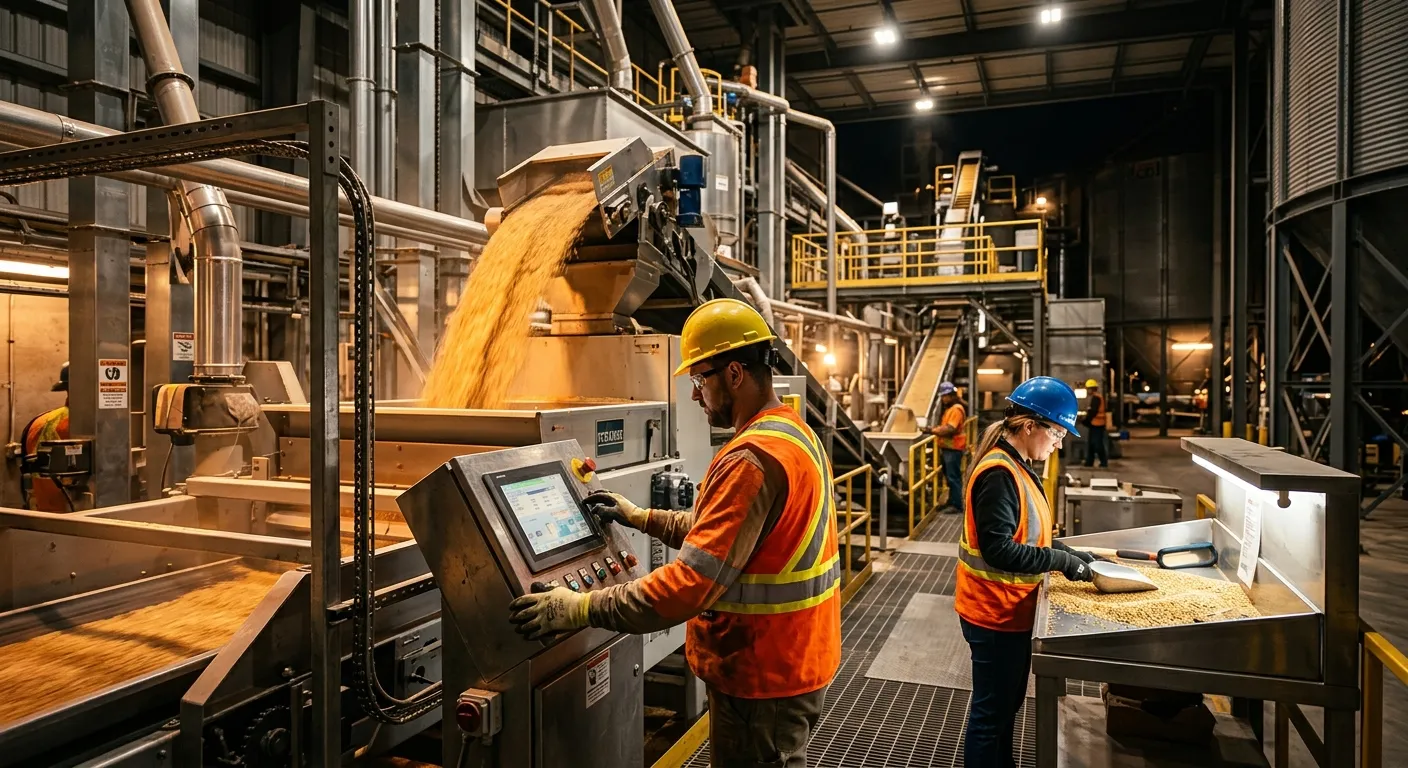
Understanding Grain Production Staff Adalah
In the critical supply chain of global food security, the term Grain Production Staff Adalah refers to the essential workforce responsible for the cultivation, harvesting, processing, and quality control of cereal crops. These professionals are the backbone of the agricultural sector, ensuring that grains like wheat, rice, corn, and barley move efficiently from field to table. Their role is multifaceted, encompassing everything from operating combine harvesters and managing silo logistics to conducting laboratory tests for moisture content and purity. For businesses in the UK's robust agri-food sector, understanding and effectively recruiting this specialized workforce is not just an operational need—it's a strategic imperative.
This comprehensive guide delves into the responsibilities, required skills, hiring challenges, and best practices for securing reliable Grain Production Staff Adalah. Whether you are a farm manager, a food processing plant supervisor, or a recruitment specialist in sectors like catering and hospitality where grain products are fundamental, this resource provides actionable insights. We'll also explore how specialized recruitment, similar to engaging a Chef Recruitment Agency Devon for culinary talent, can streamline your hiring process for these vital agricultural roles.
Multi-Category Overview of Grain Production Roles
Explore the different facets of the grain production workforce. Click on each tab to reveal detailed insights.
The Core Functions of Grain Production Staff
Grain Production Staff Adalah encompasses a spectrum of positions, each critical to the supply chain:
- Harvesting Operators: Skilled in driving and maintaining combine harvesters, tractors, and other heavy machinery. They must understand optimal harvest times to maximize yield and quality.
- Grain Handlers & Logistics Coordinators: Responsible for the post-harvest process, including grain drying, transportation to silos, and managing inventory within storage facilities. This role requires knowledge of aeration systems and pest control.
- Quality Control Technicians: Conduct rigorous testing on grain samples for moisture, protein content, foreign material, and mycotoxins. Their analysis directly impacts the grain's market grade and price.
- Mill & Processing Plant Staff: Operate equipment for cleaning, milling, and refining grain into flour, meal, or other products. This area often overlaps with warehouse and production logistics.
- Agricultural Supervisors: Oversee teams, manage schedules, ensure compliance with health, safety, and environmental regulations (like Red Tractor assurance in the UK), and coordinate with agronomists.
Why Investing in Professional Grain Production Staff Adalah is Critical
Ensures Product Quality & Market Value
Skilled staff execute precise harvesting and handling, minimizing grain damage and preserving vital qualities like specific weight and germination capacity. This directly translates to higher market grades, better prices, and satisfied buyers in the food chain, from mills to catering suppliers.
Maximizes Operational Efficiency
Experienced operators keep expensive machinery running at peak performance, reduce fuel and input waste, and optimize workflow from field to storage. This efficiency is as crucial as it is in a busy hospitality venue, where timing and resource management are everything.
Mitigates Safety & Compliance Risks
Grain production harbors significant risks: silo entrapment, dust explosions, and machinery accidents. Professional Grain Production Staff Adalah are trained in stringent health, safety, and environmental protocols, protecting your workforce, your assets, and your business from catastrophic incidents and legal liability.
Provides Scalability & Flexibility
Through agency partnerships or a well-managed pool of temporary staff, you can scale your workforce up or down with seasonal demand. This flexibility mirrors solutions used in other sectors, such as securing urgent van drivers for logistics or staff for a seasonal event.
Future-Proofs Your Business
Investing in staff who are trained in emerging technologies (precision ag, data management) and sustainable practices ensures your operation remains competitive and compliant with evolving regulations and consumer expectations for responsible sourcing.
Enhances Supply Chain Reliability
A competent, reliable workforce is the strongest link in your supply chain. They prevent bottlenecks during harvest, ensure timely delivery to processors, and maintain the consistent quality required by major food manufacturers and hospitality groups.
The Hiring Process: From Job Description to Onboarding
Securing the right Grain Production Staff Adalah requires a structured, deliberate approach. Rushing this process can lead to poor hires, high turnover, and operational disruptions.
Crafting a Compelling Job Description
Your job description is your first point of contact with potential candidates. It must be clear, accurate, and attractive. Beyond listing duties (operating a grain dryer, performing quality tests), highlight:
- The Context: Is it a family-run arable farm, a large cooperative, or a high-tech biofuel processing plant?
- Career Development: Opportunities for training, certification, or progression to supervisory roles.
- Working Conditions: Be transparent about seasonal hours, the physical nature of the work, and any safety certifications provided.
- Competitive Offer: Detail not just salary, but benefits like bonuses tied to yield/quality, accommodation (if applicable), and pension schemes.
Use precise titles like"Harvest Operator" or"Grain Quality Technician" rather than the generic"Farm Worker" to attract specialized talent.
Expert Insight: The Interview & Assessment
Interviews for Grain Production Staff Adalah should be practical. Consider:
- Scenario Questions:"What would you do if you noticed abnormal moisture readings from the dryer?"
- Safety Focus:"Walk me through your pre-start checklist for a combine harvester."
- Mechanical Aptitude: Basic problem-solving tests related to machinery.
- Reference Checks: Crucially, contact previous employers in agriculture or related warehouse environments.
Partnering with a specialist agency can handle much of this vetting for you, providing candidates who are already assessed for both skill and cultural fit.
Watch our guide on fast-track recruitment strategies applicable to grain production staffing.
Onboarding & Retention Strategies
Hiring is only half the battle. Retaining skilled Grain Production Staff Adalah is equally important, especially in a competitive labour market. Effective onboarding is key:
Structured Induction
Go beyond paperwork. Include supervised machinery operation, detailed site safety tours, introductions to the entire team, and clear explanation of key performance indicators (KPIs) like harvest efficiency or quality targets.
Continuous Training
Invest in your staff's development. Sponsor certifications (e.g., for pesticide application, advanced machinery), provide training on new software or precision farming tools, and encourage cross-skilling. This investment signals long-term value, much like developing talent within a catering management team.
Recognition & Progression
Create clear pathways from seasonal worker to permanent operator, to team leader. Implement performance-based bonuses. Publicly recognize excellent work. A positive, respectful workplace culture is a powerful retention tool, as it is in any sector from recruitment to hospitality.
Frequently Asked Questions About Grain Production Staff Adalah
Find quick answers to the most common queries employers and job seekers have about roles in grain production.
What does"Adalah" mean in this context?
In the phrase Grain Production Staff Adalah,"Adalah" is an Indonesian/Malay word meaning"is" or"are." It is often used in online searches and job portals in Southeast Asia. For a UK and international audience, the core concept translates to"Grain Production Staff Is" the key workforce. This guide uses the term to address a global audience searching for comprehensive information on this specific agricultural profession.
How does recruiting grain staff differ from hiring in catering or hospitality?
While both require attention to detail and teamwork, grain production recruiting is highly seasonal, technical, and location-specific. It demands specific certifications (e.g., for machinery, pesticide use) and often requires staff to live rurally. The hiring cycle is intensely peaked around harvest times. In contrast, catering recruitment may be more consistent year-round and focused on urban centres. However, the principle of using a specialized agency—be it a Chef Recruitment Agency Devon or an agricultural labour specialist—to find pre-vetted talent is a successful common strategy.
What are the biggest challenges in retaining grain production staff?
Key challenges include: Seasonal Unemployment Anxiety: Workers may seek more stable year-round jobs in construction or warehousing. Physical Demands: The work is strenuous. Technological Change: Some workers may feel left behind by new digital tools. Rural Isolation: Lack of amenities can deter younger workers. Counter these by offering extended contracts where possible, investing in automation for the heaviest tasks, providing upskilling programs, and considering perks like transport or accommodation.
Can temporary or agency staff be effective in grain production?
Absolutely. For peak harvest periods, unexpected staff shortages, or special projects, temporary agency staff are an excellent solution. Reputable agencies specializing in agricultural and industrial placements will provide workers who are already trained in basic safety and machinery operation. This model offers flexibility and cost-control, similar to how events use temporary event catering staff. Ensure the agency understands the specific needs of grain handling to guarantee a good match.
Where can I post a job to find Grain Production Staff Adalah?
For the fastest and most effective way to reach qualified candidates, we recommend using a dedicated platform that connects you directly with a network of job seekers in the food, agriculture, and hospitality sectors. You can post your grain production job vacancy here to get immediate visibility and start receiving applications from skilled operators, technicians, and handlers.
Ready to Strengthen Your Grain Production Team?
Don't let staffing gaps compromise your harvest, your quality, or your bottom line. Whether you need a full-time Grain Quality Manager, a team of seasonal harvest operators, or temporary cover, taking proactive action today secures your success tomorrow.
For specialized recruitment support that understands the unique demands of the grain and agri-food sector, explore our broader recruitment solutions and connect with talent that drives productivity from field to fork.

