HGV Class 1 Driver Jobs in Croydon CR0 | Immediate Start & Top Pay
Catering Jobs is actively recruiting experienced HGV Class 1 Drivers for urgent, flexible placements in the Croydon CR0 area. Secure your next role with a leading local agency offering competitive rates, weekly pay, and a direct route to ongoing work.
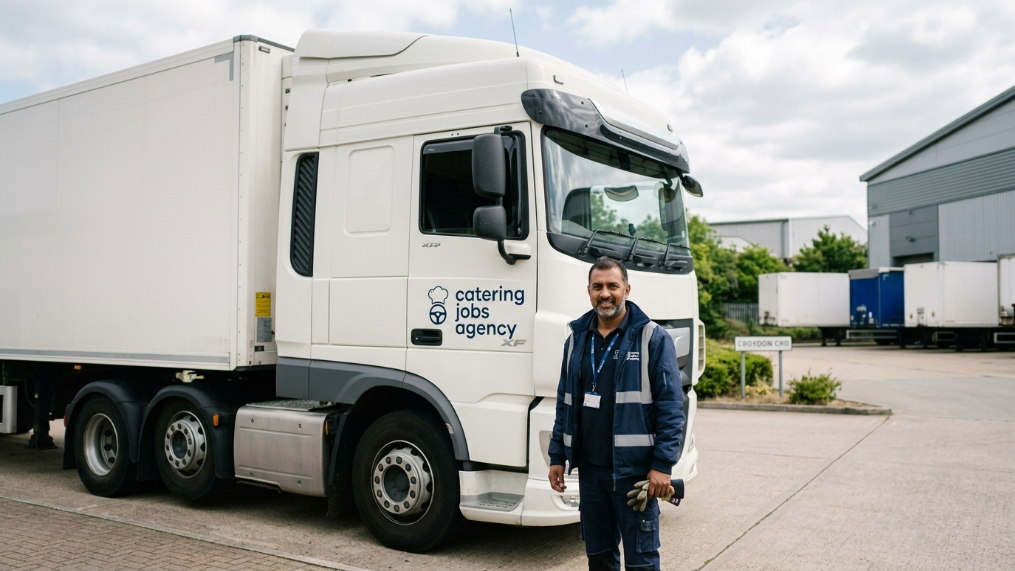
Job Description: HGV Class 1 Driver
Are you a skilled HGV Class 1 Driver seeking reliable, well-paid work in the Croydon CR0 area? Catering Jobs is partnering with leading logistics and distribution companies to fill immediate vacancies for professional drivers. This is not just another driving job; it's an opportunity to join a network of trusted professional drivers who benefit from our local market expertise and dedicated support.
We specialise in connecting talent with opportunity, and right now, the demand for HGV Class 1 operators in Croydon is high. Whether you're looking for short-term flexibility or a foot in the door for a long-term position, our role offers variety, consistent hours, and the security of working with a reputable agency. Just as we provide urgent van driver solutions in London NW1, we are the go-to source for articulated lorry drivers in South London.
The Role At a Glance
You will be operating state-of-the-art articulated vehicles, primarily involved in regional and multi-drop distribution. Our clients range from national retailers to specialised logistics firms, ensuring no two days are the same. Safety, reliability, and a professional attitude are paramount.
Key Responsibilities & Duties
- ✓ Safely and efficiently operate a Class 1 HGV (articulated lorry) on assigned routes, primarily in and around the Croydon CR0 postcode and across the South East.
- ✓ Conduct thorough daily vehicle checks (DVSA walk-around checks) and complete all necessary digital and paper documentation, including tachograph records and delivery notes.
- ✓ Securely load and unload cargo, ensuring weight distribution complies with regulations and using appropriate MHE (Material Handling Equipment) where necessary, requiring similar diligence to a Site Operative.
- ✓ Deliver exceptional customer service at all delivery points, representing both the client and Catering Jobs professionally.
- ✓ Adhere strictly to all Drivers' Hours and Working Time Regulations, and maintain the highest standards of vehicle cleanliness and road safety.
- ✓ Communicate effectively with the transport office and our team regarding any delays, vehicle issues, or route changes.
Essential Requirements & Qualifications
Must-Have Licences & Cards
- Full, valid UK Category C+E (Class 1) Driving Licence with no more than 6 penalty points.
- Valid, in-date Driver CPC (Certificate of Professional Competence) card.
- Valid Digital Tachograph Card.
- Up-to-date DCPC (Driver CPC) periodic training hours.
Skills & Experience
- Minimum of 6 months recent HGV Class 1 driving experience in the UK.
- Excellent knowledge of UK road networks, particularly around London and the South East.
- Strong geographical knowledge of the Croydon, Sutton, Bromley, and surrounding areas.
- Ability to perform basic vehicle maintenance checks.
- A clean, professional appearance and a positive, can-do attitude.
Just as precision is key for a Carpenter / Joiner, attention to detail in planning routes and handling paperwork is crucial for a successful HGV driver. We value the same level of skill and professionalism across all our trades, from roofing specialists in Stoke to our logistics teams here in Croydon.
Salary, Pay & Benefits
We believe in rewarding our drivers fairly for their skill and commitment. Pay rates for this HGV Class 1 Driver position are highly competitive and are calculated based on your experience, the specific client, and the type of shift (e.g., days, nights, tramping).
| Shift Pattern | Indicative Pay Range* | Key Features | |||
|---|---|---|---|---|---|
| Weekday Days | £16 - £19 per hour | Local multi-drop, home every night. | |||
| Nights / Tramping | £19 - £23 per hour | Weekend & Ad-Hoc | Enhanced Rates | Flexible hours for supplementary income. |
*Pay rates are indicative and subject to change based on the specific assignment. All pay is processed weekly, and we offer various payment methods including PAYE and Umbrella options. A full breakdown will be provided before you start any assignment.
Benefits of Driving with Catering Jobs
- ✔ Weekly Pay: Reliable, on-time payments every week.
- ✔ Holiday Pay: Accrued from your first day.
- ✔ Pension Scheme: Auto-enrolment options available.
- ✔ Dedicated Consultant: A single point of contact for all your needs.
- ✔ Career Progression: Access to permanent roles and upskilling opportunities.
- ✔ Varied Work: Different clients and routes to build your experience.
How to Apply for This HGV Class 1 Driver Role
The application process with Catering Jobs is designed to be fast, straightforward, and transparent. We aim to get you from application to your first shift in the shortest possible time.
Submit Your Details
Click the"Apply Now" button on this page. You will be directed to our secure application portal. Have your CV, licence, and CPC details ready. If you don't have a current CV, you can still apply and we will help you create one.
Screening & Interview
A member of our Croydon-based driving team will contact you within 24 hours (often sooner) for a brief telephone screening. If suitable, we will arrange a face-to-face or video interview at our offices to discuss your experience, check your documents, and talk about available shifts. This is your chance to ask any questions.
Registration & Compliance
Once you pass the interview, we'll guide you through our fast-track registration. This involves submitting your right-to-work documents, completing a few forms, and a quick, free compliance check. We handle all the admin so you can focus on driving.
Start Your First Assignment
Your dedicated consultant will match you with a suitable client and confirm your first shift. You'll receive a full briefing, including route details, site contacts, and pay information. Then, you're ready to go!
Ready to Drive? Apply Today.
This HGV Class 1 Driver role in Croydon CR0 is actively being filled. Don't miss out on this immediate start opportunity. Our process is efficient, and we are committed to finding you work that fits your lifestyle.
If you are interested email your cv and info to [email protected].
Frequently Asked Questions
Why Choose Catering Jobs?
We are more than just a job board; we are a local recruitment partner for Croydon CR0. Our expertise spans from catering and hospitality to skilled trades and professional driving. We understand the local logistics landscape and have built strong relationships with employers who trust us to supply reliable staff.
- ✓ Local Experts: Deep knowledge of the Croydon job market and transport links.
- ✓ Speed: We specialise in urgent staffing, much like our service for short-term catering jobs in PL15.
- ✓ Support: You get a dedicated consultant, not just a call centre.
- ✓ Integrity: Transparent pay rates and honest advice about every role.
Other Immediate Roles in Croydon
Looking for something different? Catering Jobs fills a wide variety of positions. Explore our main jobs board for the latest opportunities.
- Warehouse Operative
Pick/pack, FLT work. Immediate starts.
- Hospitality Staff
Chefs, waiters, bar staff for local events.
- Multi-Skilled Operative
General labouring and site support.
- View All Vacancies →
A Day in the Life
See what it's really like working in skilled trades and logistics today.
Need Help Applying?
Our Croydon team is here to assist you. Get in touch for a confidential chat about your driving career.
We also offer comprehensive recruitment solutions for businesses looking to hire drivers or other staff.
The Croydon CR0 Logistics Landscape: Your Local Advantage
Understanding the local area is a critical part of being a successful HGV driver. Croydon CR0 is not just a postcode; it's a major logistics and distribution nexus for South London and the wider South East. The area boasts exceptional transport links, including easy access to the M25, M23, A23, and A232, making it a prime location for regional distribution centres (DCs), retail hubs, and last-mile delivery operations.
Major Local Employers & Routes
As a driver with Catering Jobs, you could be working with some of the biggest names in retail and logistics, all based in or serving the Croydon area. Here’s a snapshot of the environment you’ll be operating in:
Retail Distribution
Many national supermarkets and DIY stores have major DCs in Purley Way (CR0) and surrounding industrial estates. Expect multi-drop work delivering to stores across London, Kent, and Surrey. This work demands precision timing and excellent customer interaction at store delivery bays.
- Typical Load: Mixed palletised goods, chilled produce, ambient groceries.
- Key Challenge: Navigating tight urban store access and strict delivery time windows.
- Reward: Consistent, scheduled work and regular routes.
General Haulage & Trunking
Larger logistics firms use Croydon as a key cross-dock facility. This involves longer trunking runs—often night shifts—to hubs in the Midlands, North, or South Coast, before returning with inbound goods. This is ideal for drivers who prefer longer motorway runs and overnight stays.
- Typical Load: Full trailer loads of packaged goods, raw materials.
- Key Challenge: Managing drivers' hours effectively over long distances.
- Reward: Higher hourly rates and overnight allowances.
This variety ensures your work remains engaging. One week you might be on a dedicated retail run, the next on a trunking operation to Doncaster. This breadth of experience is highly valuable on your CV, much like the diverse project experience gained by a Carpenter in Bristol working on different sites.

Beyond Driving: Developing Your Professional Skill Set
While holding a C+E licence is the primary qualification, the most sought-after HGV drivers are those who possess a wider set of professional skills. At Catering Jobs, we don't just place drivers; we help you develop these competencies, making you more valuable to clients and opening doors to higher-paying, more specialised roles.
Advanced Customer Liaison
You are the face of the company at the delivery point. We provide guidance on professional communication, conflict de-escalation, and building positive relationships with site managers and warehouse staff—a skill equally vital for hospitality staff dealing with clients.
Real Example: Resolving a pallet discrepancy on-site without delaying the entire delivery, ensuring the client notes your professionalism for future work.
Digital & Tech Proficiency
Modern logistics is digital. Beyond the digital tachograph, you'll encounter handheld devices for proof of delivery (POD), electronic consignment notes, and fleet management apps. We ensure you are confident using these systems before you start.
Real Example: Using a client's specific POD app to capture electronic signatures and photos of delivered goods, streamlining the invoicing process.
Basic Logistics Planning
The best drivers think ahead. We encourage proactive route planning using tools like Google Maps HGV mode, checking for road closures, and understanding congestion charge zones. This foresight minimises delays and demonstrates initiative.
Real Example: Identifying a planned motorway closure and suggesting an efficient alternative route to the transport office before setting off.
Case Study: From Temporary Driver to Transport Assistant
"Mark" started with us as a temporary Class 1 driver on a 3-month retail contract. He consistently demonstrated reliability, tech-savviness, and a great attitude. When the client's transport office had a short-term staff shortage, they requested Mark specifically to assist with admin and planning, based on his on-the-ground knowledge.
Result: Mark gained invaluable office experience while maintaining his driving pay rate. This dual exposure made him a prime candidate for a permanent Transport Planner role that arose 6 months later—a position he successfully secured with our reference. This progression mirrors the opportunities we see for skilled Multi-Skilled Operatives who show initiative.
The lesson: Every assignment is an audition. Displaying a full skill set can lead to unexpected and rewarding career pathways within logistics.
Navigating Compliance: Your Guide to Staying Road Legal & Insured
Compliance is non-negotiable in professional driving. The regulations are complex, and mistakes can be costly for both driver and employer. As part of our service, Catering Jobs provides clear, ongoing guidance to help you manage your compliance obligations effortlessly, giving you peace of mind and protecting your livelihood.
A Deep Dive into Key Compliance Areas
1. Drivers' Hours & The Digital Tachograph: A Practical Guide
Understanding the rules is one thing; applying them to real-world shifts is another. We break down the core regulations and provide practical tips.
Weekly Rotation Example (UK Domestic Rules):
- Day 1 (Mon): Long day. 10 hours driving, 15-hour duty shift. You finish late.
- Day 2 (Tue): Reduced driving limit applies (max 9 hours). You plan a shorter local multi-drop.
- Day 3 (Wed): You can return to a 10-hour drive limit if your weekly total allows.
- Key Tip: Always take your 45-minute break before you reach 4.5 hours of driving. Don't cut it fine at 4 hours 25 minutes—unexpected traffic could push you into an infringement.
Our consultants are trained to spot potential infringements in your proposed schedule and will advise clients accordingly. We act as your first line of defence.
2. Vehicle Walk-Around Checks: Beyond a Tick-Box Exercise
The DVSA ‘Walkaround Check’ is a legal requirement. We provide drivers with an enhanced checklist that goes beyond the basics, helping you identify issues that could cause a breakdown or a roadside prohibition.
Commonly Missed Items:
- • Fifth Wheel Security: Visually check the locking jaws are fully closed around the kingpin.
- • Air Line Integrity: Listen for minor hisses at couplings; feel for brittleness or cracks.
- • Load Security: Re-tension curtain-side straps after the first 30 minutes of driving.
- • Digital Health: Ensure the tachograph head accepts your card and prints correctly.
This meticulous approach mirrors the safety-first mindset required in other trades, such as our roofing teams in Stoke, where site checks are paramount.
3. Client-Specific Inductions & Site Safety
Every client site has its own rules. Before any new assignment, we ensure you receive a comprehensive site induction—either digitally or in person. This covers everything from designated parking and pedestrian routes to specific loading bay procedures and personal protective equipment (PPE) requirements. Ignoring site rules is a fast track to termination, no matter how well you drive.
Maximising Your Earnings: A Strategic Approach
Your earning potential as an HGV driver isn't just about the hourly rate. It's about strategic shift selection, understanding pay structures, and minimising non-earning downtime. Here’s how we help you optimise your income.
| Earning Factor | What It Means | Pro-Tip from Our Team | Potential Annual Impact* |
|---|---|---|---|
| Shift Premiums | Extra pay for nights, weekends, Bank Holidays. | Be clear about your availability. Consistently working one weekend day can significantly boost your weekly take-home. | +£2,500 - £4,000 |
| Tramping Allowances | A daily payment to cover food and incidentals when staying away. | This is often tax-free. Two nights a week can add up to a substantial untaxed sum on top of your hourly wage. | +£1,500 - £3,000 |
| Performance & Retention Bonuses | Client-led bonuses for safe driving, perfect attendance, or long-term service. | Ask your consultant if the client offers these. It pays to be reliable and safe. | +£500 - £2,000 |
| Minimising 'Gaps' | Time between assignments is unpaid. We work to keep you rolling. | Communicate your end dates early. We can often line up your next assignment to start the day after your current one finishes. | Preserves £££ |
*Illustrative estimates based on typical client schemes and full-time hours. Individual results will vary.
PAYE vs. Umbrella: Understanding Your Payroll Options
We offer flexibility in how you are paid, primarily through PAYE (Pay As You Earn) or an Umbrella Company. It's crucial to understand the difference to make the right choice for your circumstances.
PAYE (Our Standard)
- ✓ Simplicity: We employ you directly. Tax, NI, and pension are deducted automatically.
- ✓ Security: You are covered by our employer's liability insurance. Holiday pay is accrued and paid.
- ✓ No Fees: No administration costs to you.
- • You cannot claim limited business expenses.
Best for: Drivers seeking hassle-free, compliant pay with full employment rights.
Umbrella Company
- ✓ Potential for Higher Net Pay: You may be able to claim certain business expenses (e.g., subsistence, some travel) subject to HMRC rules.
- ✓ Continuous Employment: Some umbrellas offer one continuous contract.
- ! Fees & Complexity: You pay a weekly/monthly fee to the umbrella. You are responsible for choosing a compliant provider and understanding your tax position.
- ! IR35: You must ensure the engagement falls outside IR35 rules.
Best for: Experienced drivers comfortable with admin, using a reputable umbrella, and seeking to optimise expenses.
Our Advice: We recommend starting on PAYE for simplicity. If you later wish to explore the umbrella route, we can provide a list of verified, compliant umbrella companies we work with, but we strongly advise you to seek independent financial advice before making any switch.
Your Career Pathway: Where Can You Go From Here?
An HGV Class 1 driving role is a fantastic career in itself, but it can also be a launchpad into other, highly rewarding positions within the transport and logistics sector. At Catering Jobs, we have a track record of supporting driver progression. Here are common pathways we've helped our candidates achieve.
Specialised Driving
After 12-18 months of solid general experience, you can branch into higher-paid specialisms. We often have demand for:
- ADR (Dangerous Goods): Requires additional training but commands premium rates.
- Temperature-Controlled Work: Operating fridge/freezer units for food logistics.
- Abnormal Loads & Step-Frame: For machinery and wide loads.
We can advise on and often help source the necessary training courses.
Mentor / Assessor Driver
For drivers with impeccable records and a patient demeanour. You would accompany new or trainee drivers, ensuring they meet company and safety standards. This role blends driving with coaching and carries additional responsibility and pay.
Transport Office & Planning
As demonstrated in our case study, your on-road experience is invaluable in an office role. Positions include:
- Transport Planner: Scheduling routes and loads.
- Traffic Office Clerk: Driver liaison and real-time problem-solving.
- Compliance Administrator: Managing tachograph data and driver files.
Management & Beyond
The ultimate step for many. With further qualifications (e.g., CPC for Transport Managers), you could progress to Shift Manager, Transport Manager (TM), or even Operations Manager. Your practical driving knowledge gives you immense credibility when managing a fleet and a team of drivers.
How We Facilitate Your Growth
We don't just fill a vacancy today; we invest in your tomorrow. Here’s how:
- 📈 Performance Reviews: Regular check-ins to discuss your career goals, not just your current assignment.
- 📚 Training Signposting: Directing you to affordable, recognised training providers for ADR, HIAB, etc.
- 🎯 Internal First Access: You get first refusal on new, specialised roles that come into our agency before they are advertised publicly.
- 💼 Permanent Role Advocacy: When a client wants to hire permanently, we actively champion suitable temporary drivers who have shown commitment and skill.
Your journey with us is a partnership. By delivering excellence on every shift, you build a reputation that unlocks these advanced opportunities, setting you on a course for a long-term, prosperous career in a vital industry.
The Interview & Onboarding Process: What to Expect and How to Excel
Securing the role starts with a successful interview and a smooth onboarding journey. Our process is thorough by design, ensuring both your suitability and your long-term satisfaction. Understanding each step will help you prepare effectively and demonstrate the professionalism that sets you apart.
The In-Depth Interview: Beyond Licence Checks
While we verify your documents, our face-to-face or video interview delves deeper. We assess cultural fit, problem-solving ability, and situational judgement—qualities that define a top-tier driver. Here are the types of questions you should be ready to answer:
Scenario-Based Questions
"You arrive at a delivery site and the bay is blocked by another vehicle. The site manager is unavailable, and your schedule is tight. What do you do?"
What We're Assessing: Initiative, communication, and composure under pressure. A strong answer would involve safely parking, immediately contacting our transport office and the client's contact, documenting the delay with a photo, and exploring if there's an alternative bay—all while maintaining a calm, professional demeanour.
Technical & Compliance Knowledge
"Talk me through your process for a Friday afternoon walk-around check when you're about to start a long-distance tramping run."
What We're Assessing: Depth of practical knowledge and foresight. We expect to hear about checking tyre pressures and tread depth for motorway heat, ensuring all lights are fully operational for night driving, double-checking fifth wheel security and air lines, and verifying you have enough card time for the journey ahead, considering weekend rest periods.
Come prepared with your own questions. Inquiring about specific client cultures, typical trailer types, or the agency's process for handling pay queries shows engagement and serious intent.
The Onboarding Journey: From Paperwork to First Shift
Once you've passed the interview, our fast-track onboarding begins. This isn't just administrative; it's your integration into our network and your first client's operation.
Digital Registration Portal
You'll receive access to our secure online portal. Here, you can upload all required documents (licence, CPC, right-to-work, NI number), digitally sign your contract, and set up your payroll details. This paperless system is efficient and allows you to complete tasks at your convenience.
Pro Tip: Use your smartphone to scan documents using a notes app for clear, legible copies. Blurry photos can delay processing.
Client-Specific Link-Up
Before your first day, we facilitate a direct introduction. This may be a brief call or an email chain with your new transport manager. You'll receive the client's driver handbook, site maps, and details of your first assignment. This pre-engagement reduces first-day anxiety and ensures you arrive fully informed.
Pro Tip: Save all client contacts directly into your phone before leaving for your shift.
Health, Wellbeing & Life on the Road: A Sustainable Driver's Guide
Professional driving is physically and mentally demanding. Long hours, sedentary periods, irregular schedules, and traffic stress can take a toll. The most successful drivers are those who proactively manage their health and wellbeing. This isn't just about personal comfort; it's about safety, alertness, and career longevity.
Physical Health on the Move
- 🏃 Micro-Exercises: Use your mandatory breaks for purpose. A 15-minute walk around the truck stop, stretching your hamstrings, calves, and back can combat stiffness and improve circulation.
- 💧 Hydration & Nutrition: Invest in a large, insulated water bottle. Plan meals—pack a cool box with salads, sandwiches, and fruit to avoid reliance on service station fast food, which leads to energy crashes.
- 😴 Sleep Hygiene (for Trampers): Create a routine. Use blackout blinds, an eye mask, and earplugs. Avoid screens before bed. Treat your cab bunk as a proper bedroom to ensure quality rest.
Mental Wellbeing & Stress Management
- 🎧 Continuous Learning: Combat monotony with audiobooks, podcasts on logistics, or language courses. Engaging your mind makes the miles pass quicker and contributes to your professional development.
- 📵 Digital Detox on Breaks: During your 45-minute rest, step away from the cab. Don't scroll through social media; instead, take a walk, call a loved one, or simply sit and observe your surroundings. This true mental break reduces cognitive fatigue.
- 🗣️ Open Communication: If you're feeling overwhelmed by a route, a client, or personal issues, talk to your consultant. We are here to help find solutions, whether it's adjusting your schedule or pointing you towards support resources.
Safety & Security
- 🔒 Personal & Load Security: Be vigilant at rest stops. Park in well-lit, busy areas. Always lock your cab, even when popping into a services for a quick coffee. Know the procedure for reporting suspicious activity around your vehicle.
- ⚙️ Ergonomics in the Cab: Adjust your seat correctly every time you get in. Ensure your lower back is supported, you can reach all controls comfortably, and your mirrors are perfectly positioned to minimise neck strain.
- 🧯 Emergency Preparedness: Keep a small kit in your cab: a high-vis vest, torch, first-aid kit, basic tools, and a power bank for your phone. Know the client's and our agency's 24/7 emergency numbers by heart.
Technology in the Cab: Mastering the Tools of the Modern Driver
The HGV cab has transformed into a connected, digital workspace. Proficiency with in-cab technology is no longer a bonus; it's a core competency. Familiarising yourself with these systems before you start a new assignment will make you more efficient, compliant, and attractive to leading clients.
Essential Digital Systems You Will Encounter
| System | Primary Purpose | Key Features to Master | Common Provider Examples |
|---|---|---|---|
| Digital Tachograph (Gen 2) | Records driving time, breaks, rest periods, and speed. | Inserting/removing your card, printing daily/weekly reports, understanding infringement warnings, manual entry for other work/POA. | VDO (Siemens), Stoneridge, Actia. |
| Telematics / Fleet Management | Tracks vehicle location, fuel usage, driving style (eco-score), and provides remote diagnostics. | Interacting with an in-cab display for messages, acknowledging jobs, logging defects digitally, understanding how your driving score is calculated. | Microlise, Masternaut, Quartix, Verizon Connect. |
| Electronic Proof of Delivery (ePOD) | Replaces paper delivery notes with digital signatures, photos, and notes. | Operating a handheld scanner/tablet, capturing signatures, taking photos of damaged goods, adding delivery notes, syncing data. | Zebra TC devices with custom client software. |
| Navigation & Route Planning | Provides HGV-specific routes, accounting for height, weight, and width restrictions. | Inputting postcodes with bay numbers, setting vehicle profiles, adding multiple stops, understanding traffic delay rerouting. | Garmin Dezl, TomTom Truck, CoPilot Truck, Google Maps (HGV mode). |
Real-World Tech Scenario: The Paperless Delivery
You arrive at a delivery point. The site uses ePOD only. Here's the efficient process:
- Use the handheld device to scan the barcode on the first pallet, confirming its arrival.
- Unload. For any damaged goods, use the device's camera to take clear, well-lit photos from multiple angles.
- Hand the device to the warehouse operative for their digital signature. Ensure they print their name clearly.
- Add a note if delivery was early/late or if there were any access issues.
- Sync the device when back in the cab (or it may sync automatically via 4G). The client's accounts department receives the proof instantly.
Benefit: No lost paperwork, instant invoice processing, and a clear, auditable trail that protects you in case of disputes.
Staying Ahead: Embracing Future Tech
The industry is evolving rapidly. Awareness of emerging trends demonstrates foresight:
- 🚚 Platooning: Understanding how connected convoy systems work and the driver's role within them.
- 🔋 Electric HGV Operation: Familiarity with range planning, charging protocols, and the different driving dynamics of electric lorries.
- 📲 Driver Apps: Many clients and agencies (including ours) use apps for shift booking, payslip access, and communication. Being app-savvy is key.
We provide briefings on client-specific systems, but a proactive attitude towards learning new technology is a trait we highly prize and reward with more advanced assignments.
Building Your Reputation: The Unwritten Rules of Agency Driving Success
Your technical skills get you the job, but your professional conduct builds your reputation and secures long-term success. In the close-knit world of logistics, word travels fast. A driver known for reliability, a positive attitude, and problem-solving becomes the first call for premium shifts and permanent opportunities.
The Pillars of a Stellar Professional Reputation
Punctuality & Communication
Being on time is the baseline. Being early is professional. If delayed, you must communicate before the scheduled time. A quick call to the site and your consultant shows responsibility.
Presentation & Pride
A clean, ironed uniform. A well-kept cab (even if it's not your assigned truck). Taking a moment to sweep out the trailer at the end of a run. These small actions signal respect for the client's asset and your own standards.
Client & Colleague Relations
Be courteous to warehouse staff, security, and other drivers. You're part of a chain. Building rapport makes difficult days easier and can lead to tips about better parking spots or faster unloading procedures.
Ownership & Solution-Mindset
Don't just report problems; suggest solutions."The bay is blocked, but I've spoken to security and can use bay 5 in 10 minutes" is infinitely more valuable than"I can't unload."
Navigating Common Pitfalls: A Veteran's Advice
The Timesheet & Pay Query Process
Pitfall: Submitting timesheets late or with errors, then calling on payday frustrated about a missing payment.
Best Practice: Submit your digital or signed timesheet by the deadline every week. Keep a simple diary of your hours. If a pay query arises, contact your consultant calmly with all relevant details (assignment number, dates, hours in question). We can resolve accurate queries swiftly; speculative ones take time.
Managing Client Feedback
Pitfall: Becoming defensive if a client gives constructive criticism via the agency.
Best Practice: View all feedback as a tool for improvement. Thank your consultant for passing it on, clarify any misunderstandings, and state how you will address the point. This mature response turns potential conflict into a reputation-building moment.
The End of an Assignment
Pitfall: Treating the last day with less care, burning bridges with a client.
Best Practice: Finish as strongly as you started. Complete all paperwork, return any equipment, and thank the site manager for the opportunity. Inform your consultant the assignment has concluded professionally. This ensures a glowing reference and a high chance of being rebooked by that client in the future.
Conclusion: Your Next Step Towards a Rewarding Driving Career in Croydon
This detailed guide has outlined not just a job, but a comprehensive career pathway as an HGV Class 1 Driver in Croydon CR0. From the immediate practicalities of pay and compliance to the long-term strategies for wellbeing, skill development, and reputation building, success in this field is multifaceted. The demand for professional, skilled drivers in South London's logistics hub has never been higher, and the opportunities for those who approach their work with professionalism and ambition are substantial.
Ready to Take Control of Your Driving Career?
You now possess the knowledge to excel. The next move is yours. Partner with an agency that understands the depth of the role and is committed to your growth, not just your placement.
Catering Jobs – Connecting dedicated drivers with the roads that lead to success.
Location: Croydon CR0 & Surrounding Areas | Contact: [email protected] | Phone:
Operational Deep Dive: Mastering Multi-Drop & Trunking in the South East
Success in Croydon hinges on adapting to two dominant operational models: urban multi-drop and long-distance trunking. Each requires a distinct mindset and skill set. Understanding the nuances of both will not only make you more effective but will also allow you to choose assignments that best match your preferences for a sustainable career.
The Art of the Urban Multi-Drop
This is the bread and butter of Croydon-based retail logistics. A typical day might involve 10-15 drops to supermarkets, convenience stores, or building suppliers across London and the Home Counties. Efficiency here is measured in minutes, not miles.
Pre-Shift Planning is 90% of the Battle
Before you even insert your tachograph card, you should have a mental map. Use your route planner to sequence drops not just by postcode, but by delivery time windows and known congestion hotspots (e.g., avoid the A23 through Croydon town centre between 7:30-9:30am). Always plan your 45-minute break around a location with safe, legal parking—finding a space for a Class 1 rig in central London during lunch hour is nearly impossible.
The Delivery Bay Dance
Every site has its own challenges. A tight yard in Bromley requires meticulous mirror work and patience. A busy DC in Purley Way demands rapid docking to keep the flow going. Your approach should be calm and systematic: conduct a site risk assessment as you enter, identify pedestrian routes, locate the site contact, and confirm unloading procedures. Always carry a pair of good quality gloves—handling straps, curtains, and sometimes cargo directly is part of the job.
Paperwork & Tech in the Wild
Rain, wind, and tight deadlines are the enemies of paper manifests and handheld devices. Use a clear plastic clipboard or a waterproof phone case for your ePOD. Keep a backup power bank charged. If a device fails, know the client's fallback procedure (often a phone call to the transport office to log the delivery, followed by a paper sheet to be signed). Your ability to adapt when technology falters is a mark of a true professional.
This role demands the stamina of a warehouse operative and the diplomatic skills of a customer service manager. A successful multi-drop driver is a master of logistics micro-management.
The Long-Haul Mindset: Excelling at Trunking
Trunking runs from Croydon to hubs in Daventry, Milton Keynes, or Doncaster are a different world. Here, the challenge is endurance, compliance over long periods, and self-sufficiency. The pay is often higher, but so are the expectations of reliability and independent problem-solving.
A Typical Tramping Week: A Strategic Breakdown
| Day | Focus | Key Compliance Consideration | Pro-Tip for Success |
|---|---|---|---|
| Monday (Outbound) | Loading in Croydon AM, long motorway drive north. | Plan your break before hitting the 4.5hr drive limit. Use a services before the M1/M6 becomes congested. | Load your podcast/audiobook queue. Use cruise control to manage fuel economy. Call your destination hub to confirm your estimated arrival time (ETA). |
| Tuesday (Return Load) | Unload, reload, begin return journey. | You are on a reduced daily driving limit (max 9 hours) after a long day. Factor this into your return plan. | Conduct an even more thorough walk-around check on the trailer you're collecting. You're responsible for its condition all the way back to Croydon. |
| Wednesday (Return & Reset) | Final leg back, unload in Croydon, vehicle handover. | Ensure you have enough weekly driving hours left for the rest of your working week. | Complete all paperwork and defect reports before you leave the yard. A clean handover ensures a quick turnaround for your next run. |
The tramping driver is a strategist, managing their most precious resources: time and energy. It’s a role that offers solitude and independence, perfect for the self-motivated professional.
Financial Planning for the Agency Driver: Managing Variable Income
Unlike a salaried position, agency driving often involves fluctuating weekly pay. This variability requires disciplined financial management to ensure stability. Here, we provide a framework used by our most successful long-term drivers to turn variable income into predictable financial security.
The"Baseline & Buffer" Budgeting System
This method involves calculating your essential monthly outgoings (mortgage/rent, utilities, food, vehicle finance, insurance) to establish a non-negotiable baseline income. Everything above this is allocated to savings, debt repayment, and discretionary spending.
Step 1: Establish Your Baseline
Add up all fixed monthly costs. Let's assume a baseline of £2,200 per month.
This means you need to earn a minimum of £550 per week after tax to cover essentials.
Step 2: Create the Income Buffer
Aim to build a savings buffer equivalent to 4-6 weeks of your baseline income (approx. £2,500-£3,300). This buffer absorbs shocks: a week off sick, a vehicle MOT, or a gap between assignments.
Action: Allocate 50% of any weekly pay over your £550 target directly into this buffer fund until it is fully established.
Case Study: David’s Financial Turnaround
David joined us after a period of unstable work. He was earning well but living"week-to-week," stressed by every quiet period.
- Q1 The Problem: Inconsistent savings, no plan for annual costs like HGV licence renewal or CPC training.
- Q2 Our Advice: Implement the Baseline & Buffer system. David set up two new bank accounts: one for bills (where his baseline was auto-deposited weekly) and a separate, instant-access savings account for his buffer.
- Q3 The Implementation: For 3 months, David prioritised building his buffer, taking on an extra weekend shift each month. He reached a £3,000 buffer.
- Q4 The Result: With the buffer in place, David's financial stress vanished. He could confidently take a week's holiday. When his car needed a new clutch, he paid for it from the buffer and replenished it over the next two months without touching his bill money. He now views his variable income as a tool for wealth building, not a source of anxiety.
"The buffer changed everything. It meant I could say 'yes' to the right shifts for my career, not just the ones that panic demanded." - David, HGV Class 1 Driver.
Tax Efficiency & Allowable Expenses: What You Need to Know
If you choose to work via an umbrella company, understanding legitimate expenses is crucial. HMRC rules are strict, and non-compliance can lead to significant penalties.
✅ Typically Allowable (with receipts)
- Subsistence: Meals and drinks when you are away from your home and your regular workplace overnight (not on standard day shifts). There are benchmark scale rates (e.g., £5 for breakfast, £10 for lunch, £25 for dinner) that can often be used without receipts.
- Accommodation: The cost of a hotel or similar when on a tramping run.
- Professional Fees: Annual HGV licence renewal, Driver CPC module costs, and membership fees for professional bodies.
- Certain Travel: Travel to a temporary workplace that is not your regular base. The journey from your home to Croydon as your agency's base may not qualify.
❌ Typically NOT Allowable
- Daily Commuting: Travel from home to your agency's base or a client's site if it's considered a permanent workplace.
- Everyday Clothing: Even branded uniforms, unless they are specialist protective clothing not suitable for everyday wear.
- Fines: Parking tickets, speeding fines, or any other penalties.
- Personal Items: Food for day shifts, normal toiletries, personal mobile phone bills (unless a separate contract for work).
Critical Advice: Always use a reputable umbrella company that is accredited by the FCSA (Freelancer & Contractor Services Association). They will ensure your claims are compliant. We can recommend several trusted partners.
The Future of Haulage in Croydon: Emerging Trends & How to Position Yourself
The logistics sector is at a technological and environmental crossroads. For the forward-thinking driver, these changes are not threats but opportunities to specialise and increase their value. Here’s what’s on the horizon for the Croydon corridor and how you can prepare.
Electrification & Alternative Fuels
Major clients with DCs in Purley Way are beginning to trial electric HGVs for last-mile and regional deliveries. The driving experience is different: instant torque, regenerative braking, and significantly quieter operation.
What it means for you: Range anxiety becomes a new part of route planning. You’ll need to understand charging times, locate compatible charging points for HGVs, and adapt your driving style to maximise battery efficiency.
How to get ahead: Express interest in electric vehicle (EV) training to your consultant. Familiarise yourself with public HGV charging networks like Gridserve. Demonstrating knowledge in this area will make you a prime candidate for clients leading the sustainability charge.
Advanced Driver Assistance Systems (ADAS)
New trucks are equipped with systems like Autonomous Emergency Braking (AEB), Lane Departure Warning (LDW), and Adaptive Cruise Control (ACC). These are safety tools, not replacements for driver skill.
What it means for you: You must understand how these systems work and their limitations. For example, AEB may not detect a stationary object at high speed in certain conditions. Relying on them blindly is dangerous.
How to get ahead: Don’t switch them off. Learn to work with them. During your walk-around check, ensure sensors on the front and sides are clean and unobstructed. Be able to explain to a client or trainer how you use ADAS to enhance, not replace, your own vigilance. This technical fluency is a key differentiator.
Data-Driven Performance Management
Telematics doesn’t just track the vehicle; it analyses the driver. Your eco-score, braking habits, cornering G-force, and adherence to planned routes are all measured. Clients use this data for safety scoring and contract retention.
What it means for you: Your driving is constantly being assessed. Smooth, anticipatory driving isn’t just safer and more comfortable—it directly impacts your performance metrics and your appeal for the best assignments.
How to get ahead: Request feedback on your telematics data from your consultant or the client’s transport office. Ask, “How can I improve my score?” This proactive approach shows you are invested in excellence and continuous improvement, aligning you with the client’s own goals for efficiency and safety.
Building Your Network: The Power of Professional Relationships in Logistics
In an industry built on movement and timing, your professional network is a tangible asset. It’s not about collecting business cards; it’s about building a web of trust with people who can provide opportunities, advice, and support. Your network includes fellow drivers, warehouse staff, transport managers, and your agency team.
The Five Key Contacts Every Croydon Driver Should Cultivate
The Veteran Driver
The one who knows every rat run around Sutton and which M25 junction to avoid after 3pm. Buy them a coffee and listen. Their geographical and procedural knowledge is priceless.
The Agency Consultant
Your primary advocate. Build a genuine, professional relationship. Be their reliable “go-to” driver, and you’ll become the first person they call for new, high-priority roles.
The Client Transport Manager
The decision-maker. Demonstrate reliability and a solutions-focused attitude. A good word from a TM to your agency can fast-track you to temp-to-perm offers.
The Warehouse Shift Lead
They control the dock. Being polite, efficient, and helping to clear debris from the trailer can get you loaded/unloaded faster than the rude driver ahead of you.
The Workshop Mechanic
If you report a defect clearly and respectfully, they’re more likely to prioritise it. They can also give you tips on early signs of trouble to spot during your checks.
Practical Networking: Beyond the Cab Window
At the Truck Stop
The service station cafe is the industry’s informal networking hub. Engage in conversation. Topics are easy to find:
- "How's the traffic on the M23 northbound?"
- "Who are you running for out of Croydon?"
- "Have you delivered to that new DC at Gatwick yet?"
Exchange numbers if you hit it off. A network of driver contacts means real-time, trusted traffic and site information, which is more valuable than any sat-nav update.
Leveraging Digital Platforms
Your online presence matters. A professional LinkedIn profile listing your HGV qualifications and experience can be found by recruiters and clients.
- Join Groups: Look for UK HGV Driver, Logistics Professionals, or South East Transport networks.
- Share Positively: If you have a good experience with a client or agency, a brief, professional post thanking them can get noticed.
- Seek Advice: Posting a polite question about a specific compliance rule or a new technology can generate useful discussions and connections.
Avoid complaining about specific clients or agencies publicly; the industry is small, and it will harm your reputation.
Final Checklist: Are You Ready to Apply and Succeed?
Before you click ‘Apply Now’, use this comprehensive checklist to ensure you are fully prepared for a swift and successful start. This goes beyond having the right licences—it’s about being operationally and mentally ready to hit the ground running.
📄 The Document & Kit Readiness Audit
Licence & Compliance Core
Physical, plastic UK C+E licence. Valid Driver CPC card. Digital Tachograph Card. Proof of your 35 hours of periodic training (logbook or certificate).
Right-to-Work & Identity
Valid passport OR UK Birth Certificate + NI document. Your National Insurance Number. A recent utility bill or bank statement (less than 3 months old) for address verification.
Professional Kit
Steel-toe cap safety boots (EN ISO 20345). Hi-vis vest/jacket. Waterproof coat and trousers. A reliable torch. A basic toolkit (knife, gloves, tape). A durable, large-lunch cool box and water bottle.
Digital Readiness
Smartphone with a data plan. Email address you check daily. Ability to scan documents using your phone (Notes app on iPhone, Google Drive on Android). A power bank for your devices.
🧠 The Mindset & Preparedness Checklist
Availability Clarity
Have you decided your core availability? (e.g., Mon-Fri, days only. Or, fully flexible including weekends). Being upfront prevents mismatched offers.
Transport Plan B
How will you get to the client's yard in Croydon for a 6am start if your own vehicle fails? Know your public transport options or have a family member on standby for the first few weeks.
Financial Runway
Do you have enough to cover 1-2 weeks of expenses while your first week's pay is processed? This eliminates desperate financial pressure.
Support System
Have you spoken to family about potential shift patterns? Their understanding and support for early starts or nights away are crucial for long-term wellbeing and job retention.
If you can tick the majority of these boxes, you are not just another applicant—you are a prepared professional ready to add immediate value to our clients and build a lasting career with Catering Jobs.

