Chefs Wanted: The Definitive Guide to Hiring Culinary Talent in 2026
Discover expert strategies to find, attract, and hire the perfect cook required for restaurant success. From sourcing to onboarding, we cover everything you need to know.
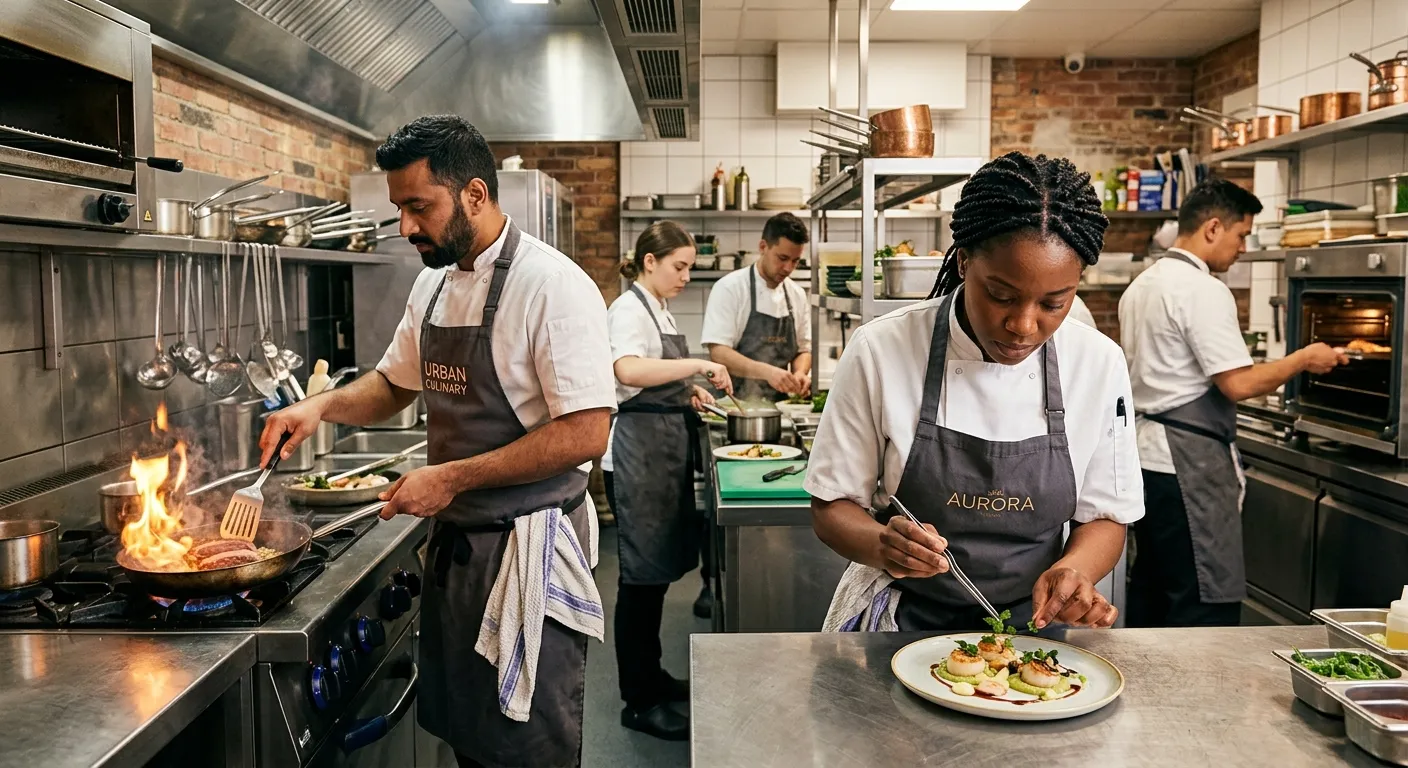
The Critical Shortage: Why Skilled Chefs Are in High Demand
The call for"chefs wanted" echoes across the UK hospitality sector louder than ever. A perfect storm of post-pandemic expansion, evolving culinary trends, and a competitive talent pool has made finding a skilled cook required for restaurant operations a top priority for business survival and growth. Whether you're running a fine-dining establishment, a bustling gastropub, or a corporate catering service, the challenge is universal. This isn't just about filling a vacancy; it's about securing the creative engine and operational backbone of your venue. The consequences of a prolonged search or a bad hire are severe, impacting everything from menu innovation and food costs to customer reviews and team morale.
This comprehensive guide serves as your strategic blueprint. We'll move beyond simple job boards to explore multi-channel sourcing, modern interview techniques tailored for kitchen culture, competitive compensation structuring, and retention strategies that turn a great hire into a long-term asset. For broader staffing needs, our resources on urgent short-term catering jobs or premier hospitality jobs in Wolverhampton provide complementary insights into building a resilient workforce.
Pro-Tip: The First 72 Hours
The quality of your onboarding process directly predicts retention. For a new cook required for restaurant integration, don't just hand them an apron. Structure their first three days with a blend of shadowing, menu tastings, kitchen protocol deep-dives, and one-on-one time with the Head Chef. This investment in clarity and culture significantly reduces early-stage turnover and accelerates productivity.
Where to Find Your Next Culinary Star: A Multi-Channel Approach
Relying on a single method to shout"chefs wanted" is a recipe for a prolonged search. The modern culinary candidate uses a mix of traditional and digital channels. Your sourcing strategy must be equally omnipresent.
Specialist Job Boards & Agencies
Platforms dedicated to catering jobs and hospitality attract pre-qualified, active candidates. Specialist agencies, like those offering recruitment outsourcing in Leeds, provide pre-vetted talent and manage the entire process, saving you critical time.
Social & Professional Networks
LinkedIn, Instagram, and even TikTok are where chefs build their personal brand. Use targeted searches and engaging content to attract passive talent. Showcase your kitchen's culture, signature dishes, and team events to make your"chefs wanted" call more appealing than a dry job description.
Culinary Schools & Industry Events
Build a pipeline by partnering with local culinary institutes for graduate placements. Attend chef expos, food festivals, and supplier events to network directly with talent. This proactive approach is ideal for finding a dedicated cook required for restaurant development roles or future sous chefs.
Crafting the Irresistible Job Ad: Beyond"Chefs Wanted"
Your job advertisement is your first audition. A generic post will attract generic candidates. To find the exceptional cook required for restaurant excellence, your ad must sell the role, the culture, and the future.
Key Components of a High-Conversion Chef Ad
- The Hook: Start with a compelling title. Use"Innovative Sous Chef for Award-Winning Modern British Kitchen" instead of just"Sous Chef Wanted".
- Culture & Vision: Describe the kitchen's ethos. Are you zero-waste? Hyper-local? Describe the team dynamic. This attracts candidates aligned with your values.
- Growth & Benefits: Clearly outline career progression opportunities, training budgets, wellness perks, and staff meal quality. Today's chefs value development as much as salary.
- Realistic Requirements: Balance essential skills (e.g., butchery, pastry, specific cuisine knowledge) with"nice-to-haves". Overly stringent lists deter strong, adaptable candidates.
Sample Ad Structure for a Line Cook
Title: Passionate Line Cook | Join Our Energetic Team at [Restaurant Name]
Who we are: Brief, exciting description of restaurant and kitchen culture.
The role:"You'll be essential in our sauté section, working with locally sourced seasonal produce to execute our evolving menu with precision and speed."
We offer: Competitive hourly rate + tronc, structured training, career path to Junior Sous, exceptional staff meals, and a supportive team environment.
Ready to apply? Click here to post your tailored version now and start attracting the right talent.
The Hiring Process: Screening, Interviewing & Trials
Finding candidates who shout"chefs wanted" is step one. Identifying the right one requires a structured, multi-stage process designed for the kitchen environment.
Efficiently Filtering CVs & Portfolios
Look for evidence beyond job titles. For a cook required for restaurant roles, scrutinize:
- Career Progression: Have they moved from Commis to Demi-Chef? This shows ambition and skill acquisition.
- Menu Impact: Do they mention specific dishes they developed or sections they ran? This indicates ownership and creativity.
- Technical Keywords: Look for specific skills like"sous-vide","butchery","pastry lamination", or"allergen management".
- Portfolio Links: A link to a digital portfolio (Instagram, website) of their dishes is a huge plus, showing pride in their work.
For high-volume or temporary needs, consider partnering with experts in HR recruitment in Leeds to handle this initial screening at scale.
Conducting a Kitchen-Focused Interview
Move beyond generic questions. The interview should assess cultural fit, problem-solving, and culinary philosophy under pressure.
Powerful Interview Questions for Chefs:
- "Walk me through how you'd break down a whole salmon for service. What would you use each part for?" (Tests technical knowledge and waste-consciousness.)
- "A supplier delivers an inferior product 30 minutes before dinner service. What's your immediate action and long-term solution?" (Tests crisis management and supplier relations.)
- "Describe a time you gave constructive feedback to a junior chef. How did you approach it and what was the outcome?" (Tests leadership and communication style.)
Designing a Fair & Revealing Practical Trial
A staged trial is non-negotiable. It must be paid, time-limited (e.g., one service), and structured to evaluate specific, pre-defined skills.
Sample Trial Structure for a Sous Chef:
- Prep Assessment (2 hours): Provide a mise en place list. Evaluate their organization, knife skills, speed, and quality of prep.
- Service Run (Lunch service): Place them on a key section (e.g., garnish). Assess their timing, communication ("Yes, Chef!"), cleanliness, and ability to handle a ticket rush.
- Post-Service Debrief: Give immediate, specific feedback and ask for their self-assessment. This tests their receptiveness and self-awareness.
This process mirrors the real-world pressure a cook required for restaurant success must handle daily, giving you the clearest possible picture of their capabilities.
Competitive Offers & Retention: Securing Your Investment
You've found the perfect candidate. Now, you must make an offer they can't refuse and have a plan to keep them. In a market screaming"chefs wanted, the negotiation and retention phase is critical.
Structuring the Winning Offer Package
Salary is the foundation, but the total package is the deal-clincher. For a top-tier cook required for restaurant leadership, consider:
- Base Salary + Tronc: Be transparent about tip pool structure and average monthly earnings.
- Performance Bonus: Tie a bonus to achievable KPIs like food cost targets, menu development, or team training milestones.
- Development Budget: Offer an annual allowance for courses, workshops, or stage (internship) at a renowned restaurant.
- Wellbeing & Perks: Private healthcare, gym memberships, guaranteed consecutive days off, and outstanding staff meals are highly valued.
The Retention Blueprint: Keeping Your Chef Engaged
Hiring is expensive. Retention is profitable. A dedicated cook required for restaurant longevity needs more than a good salary.
-
1
Clear Career Pathway
Define the steps from Line Cook to Sous Chef to Head Chef, with timelines and skill milestones. Regular progress reviews are essential.
-
2
Creative Autonomy
Allow chefs to contribute to specials, tasting menus, or seasonal changes. This fosters innovation and ownership. For inspiration, see how top operations like Absolute Taste empower their teams.
-
3
Positive Kitchen Culture
Zero tolerance for bullying or excessive shouting. Foster respect, continuous learning, and celebrate team wins. A toxic environment is the fastest route back to"chefs wanted".
Frequently Asked Questions (FAQs)
Quick answers to the most common questions about finding and hiring culinary staff.
The timeline varies by role and market. For a senior cook required for restaurant leadership like a Head Chef, expect a 6-10 week process from ad to offer. For a Line Cook, it can be 2-4 weeks if you have a strong pipeline. Using a specialist agency can compress this timeline significantly by providing pre-vetted candidates. For urgent cover, explore options for short-term catering jobs as a temporary solution while you run a thorough permanent search.
This depends on your need. For core, menu-defining roles, permanent hires are essential for stability and culture. Temporary chefs are ideal for covering holidays, sudden illness, peak seasons (like staffing for a Winter Wonderland event), or as a"try before you buy" extended trial. A blended workforce strategy offers maximum flexibility. Our guide to temporary agency work provides a detailed breakdown.
Key red flags include: Frequent, Short-Term Jobs: (e.g., 5 roles in 3 years) without good explanation may indicate poor fit or performance. Vague Responsibilities:"Worked in a kitchen" vs."Ran the larder section, responsible for all cold starters and mise en place." Blaming Previous Employers: A candidate who consistently badmouths past workplaces often carries a negative attitude. No Questions for You: A lack of curiosity about your kitchen, team, or vision suggests low engagement.
Leverage your unique strengths. Small restaurants often offer: Greater Creative Influence: Chefs can shape the menu more directly. Closer-Knit Team Culture: Less corporate hierarchy, more familial support. Flexibility & Autonomy: Ability to adapt processes and menus quickly. Visible Impact: Their work is directly linked to the restaurant's reputation and success. Sell this story passionately in your"chefs wanted" ad and interviews. Highlight work-life balance initiatives that larger chains may struggle to provide.
Stop Searching, Start Hiring
You now have the complete 2026 playbook to navigate the"chefs wanted" market successfully. From crafting the perfect ad to conducting a revealing trial and making a winning offer, you're equipped to find the exceptional cook required for restaurant excellence you need.
The only step left is to take action. Whether you need a permanent Head Chef, a temporary Sous Chef for a project, or are building a whole new kitchen team, the fastest way to connect with pre-vetted, skilled culinary professionals is to post your role on our specialist platform.
Post Your Chef Job Today & Hire FastNeed broader recruitment support? Explore our comprehensive recruitment solutions for the hospitality and catering sector.

