The Ultimate Guide to Hiring a Cook Required For Restaurant Success
Securing the right kitchen talent is the cornerstone of any successful restaurant. This comprehensive guide provides restaurateurs with actionable strategies for finding, evaluating, and hiring the perfect cook or chef.
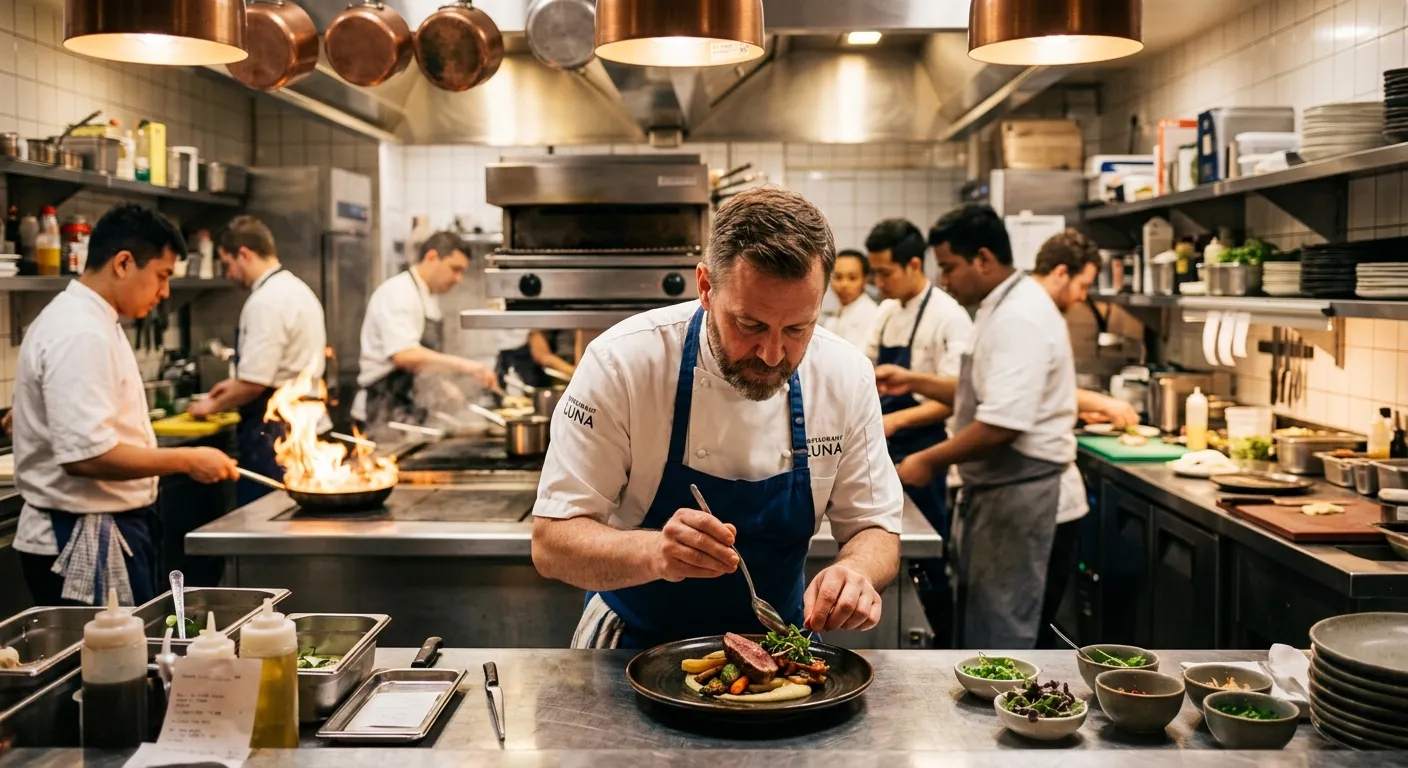
A Streamlined Hiring Process for Kitchen Staff
Finding a Cook Required For Restaurant involves more than just posting a job ad. A structured, efficient process is key to attracting qualified candidates and making a confident hire. Begin by crafting a detailed job description that goes beyond listing duties. Specify the type of cuisine, service volume, and team structure. Will they be working a la carte or high-volume buffet? Are Chefs Wanted for a new concept or an established fine-dining venue? Clarity from the outset filters out mismatched applicants. Next, leverage multiple channels. While general job boards have their place, niche platforms like dedicated catering job boards and hospitality networks yield more targeted candidates. Don’t overlook the power of your professional network and employee referrals, often a source of highly reliable talent.
The interview stage should be practical. Consider a staged trial or a practical cooking test relevant to your menu. This assesses not only technical skill but also speed, cleanliness, and ability to work under pressure. Finally, a swift decision-making and onboarding process is crucial in a competitive market. Top candidates, especially for roles like a Head Chef, are often fielding multiple offers. A delayed offer can mean losing your first-choice candidate to a more decisive competitor.
Essential & Specialized Skills for Modern Restaurant Cooks
The skill set required for a Cook Required For Restaurant has evolved significantly. While foundational techniques remain non-negotiable, today’s kitchens demand a broader range of competencies.
- Technical Culinary Proficiency: Knife skills, mastery of cooking methods (sauté, roast, braise, etc.), sauce work, and precise plating.
- Food Safety & Hygiene: A Level 2 or 3 Food Hygiene certificate is often mandatory. Demonstrable knowledge of HACCP principles is critical for any Catering General Manager overseeing kitchen compliance.
- Menu Knowledge & Development: Ability to execute existing menus flawlessly and contribute creative, cost-effective ideas for specials or new dishes.
- Time Management & Mise en Place: The ability to organize a station, prep efficiently, and manage multiple orders during peak service without compromising quality.
- Adaptability & Stress Management: Kitchens are high-pressure environments. The best cooks remain calm, communicate clearly, and adapt quickly to unexpected rushes or supply issues.
Building a Kitchen Culture That Retains Top Talent
Hiring is only half the battle; retention is where long-term success is built. A high turnover rate in the kitchen is costly and disruptive. Creating a positive, professional, and respectful kitchen culture is paramount. This starts with clear communication from leadership, fair scheduling practices, and recognition of hard work. Investing in your team’s development through cross-training or sponsoring external courses shows commitment to their career growth, a powerful retention tool. Competitive compensation is, of course, fundamental, but so are benefits like staff meals, performance bonuses, and a positive work-life balance where possible.
A cohesive kitchen brigade operates like a well-oiled machine. Foster teamwork through regular briefings and constructive feedback sessions. When Chefs Wanted ads are a constant feature for your restaurant, it’s a signal to audit your culture. Often, the difference between a restaurant that retains its stars and one that constantly recruits comes down to the environment created by its Head Chef and management. For insights into flexible staffing models that can support your core team during peak times, reviewing our Guide to Temporary Agency Work can provide valuable strategies.
Why Investing in the Right Cook is a Business Imperative
Direct Impact on Food Quality & Consistency
A skilled cook is the final guardian of your menu's promise. Their expertise directly determines plate presentation, taste, and consistency, which are the primary drivers of customer satisfaction and repeat business.
Inconsistent execution leads to negative reviews and a damaged reputation that is costly to repair.
Cost Control & Waste Reduction
An experienced cook proficient in butchery, portion control, and inventory management directly reduces food cost—one of the largest restaurant expenses. They minimize waste through creative use of trim and efficient prep.
This financial acumen is as valuable as their culinary skill, impacting your bottom line every service.
Kitchen Efficiency & Service Flow
A competent cook maintains a clean, organized station (mise en place) and works seamlessly with the pass and front-of-house staff. This efficiency is critical during peak hours, ensuring ticket times are met and service stress is minimized.
This operational smoothness is vital for high-volume environments, much like the efficiency needed for warehouse operations.
Crafting the Perfect Job Ad:"Cook Required For Restaurant"
Your job advertisement is your first point of contact with potential candidates. A vague"Cook Wanted" ad will attract a flood of unqualified applicants, wasting your time. A compelling, detailed ad acts as a filter and a magnet for the right talent.
Key Elements of a High-Converting Job Ad
- Job Title Precision: Use specific titles like"Grill Chef,""Pastry Cook," or"Sous Chef Required.""Cook Required For Restaurant" is a good start, but specificity is better.
- Restaurant Story: Briefly describe your cuisine, ethos, and team culture. Talented cooks want to be part of a mission.
- Detailed Responsibilities: Go beyond"prep and cooking." List specific stations, expected covers, and any supervisory duties.
- Clear Requirements: State necessary certifications (Food Hygiene), years of experience, and physical demands (ability to lift heavy pots).
- Compensation Transparency: Include salary range or hourly rate, shift patterns, and key benefits (tips, staff meals, career progression).
Pro-Tip: Leverage Your Location
If your restaurant is in a hub like London or Nottingham, highlight the location's advantages. For urgent needs, model your ad on successful templates for immediate roles, similar to an Urgent Short Term Catering Jobs post, emphasizing the start date and immediate impact.
Accelerate Your Hiring Process
In today's fast-paced market, a prolonged hiring process can mean losing ideal candidates. Understanding modern recruitment timelines and strategies is essential for any restaurant owner or Catering General Manager.
Applying these efficient hiring principles is just as critical for finding a Cook Required For Restaurant as it is for sourcing Urgent Van Drivers or Premier Hospitality staff.
Frequently Asked Questions: Hiring Restaurant Cooks
What's the difference between a Cook, Chef de Partie, and Sous Chef?
These titles reflect hierarchy and responsibility in a classic brigade system. A Cook is a general term for kitchen staff executing recipes, often focused on a specific station. A Chef de Partie (Station Chef) is responsible for a specific section (e.g., sauté, grill, pastry), managing its mise en place and output. A Sous Chef is second-in-command to the Head Chef, overseeing daily kitchen operations, supervising staff, and stepping in on any station. When you post"Chefs Wanted," specifying the exact level ensures you attract candidates with the appropriate experience and salary expectations.
How can I assess a cook's skills during the interview?
Move beyond the CV with practical assessments. A"stage" (unpaid trial shift) is industry-standard but must be brief, structured, and respectful of the candidate's time. Alternatively, a focused skills test works well: provide a basket of ingredients and ask them to prepare a dish relevant to your menu, or assess fundamental knife skills with a vegetable brunoise. Observe their organization, cleanliness, and time management. For senior roles like a Head Chef, include a menu planning or cost-control exercise.
Should I use a recruitment agency to find a Cook Required For Restaurant?
Specialist hospitality recruitment agencies can be invaluable, especially for urgent needs or hard-to-fill senior positions. They handle advertising, initial screening, and shortlisting, saving you significant time. They often have access to passive candidates not actively job hunting. The cost is typically a percentage of the hire's first-year salary. For ongoing or volume hiring, exploring comprehensive Recruitment Solutions or even Recruitment Outsourcing can provide a strategic partnership. For one-off, urgent cover, a temporary staffing solution might be optimal.
What are the current market salary ranges for restaurant cooks?
Salaries vary widely by location, restaurant type, and experience. In major cities like London, a Commis Chef might start around £22k-£26k, a Chef de Partie £26k-£32k, and a Sous Chef £32k-£42k+. Outside major hubs, these figures can be 10-20% lower. Always research local rates. Offering a competitive package is crucial in a candidate-driven market. Remember, the total package includes potential tips/tronc, benefits, and work-life balance. Transparency about earnings potential, similar to details provided for seasonal event roles, helps attract serious applicants.
Ready to Find Your Ideal Kitchen Talent?
Stop searching and start hiring. Whether you need a specialist Cook Required For Restaurant, a dynamic Sous Chef, or are urgently seeking Chefs Wanted for a new launch, connecting with the right candidates starts here.
Reach qualified, passionate culinary professionals actively looking for their next role in restaurants like yours. Your next star cook is waiting.
Navigating Compensation: Structuring a Winning Offer for a Cook Required For Restaurant
In a competitive labor market, crafting an attractive compensation package is often the decisive factor in securing top kitchen talent. Beyond a base salary, understanding the full spectrum of value you can offer is key to standing out.
Beyond the Hourly Rate: Components of a Competitive Package
- Guaranteed vs. Variable Pay: A clear base salary provides security. Consider adding a performance-based bonus tied to kitchen cost savings, positive reviews, or team goals. A"tronc" (tips pool) system, where legally structured, can significantly boost take-home pay.
- Benefits That Matter: Health insurance, pension contributions, and paid holiday are expected by professional cooks. Differentiators include comprehensive dental/vision, subsidised gym memberships to support physical health in a demanding job, or mental wellness resources.
- The"Experience" Benefits: These are powerful for career-oriented chefs. Offer a structured training budget for external courses or wine certifications. Provide stage opportunities at sister restaurants or renowned partner establishments. Commit to a clear promotion pathway from Commis to Chef de Partie within a defined timeframe.
- Lifestyle Considerations: Fair and predictable scheduling with reasonable notice, a generous staff meal policy (not just leftovers), and support with transportation costs or parking can dramatically improve quality of life.
Case Study: From High Turnover to Stable Brigade
A mid-range restaurant in Birmingham was struggling with 80% annual cook turnover. They replaced their generic"Cook Required" ads with detailed listings highlighting a new package:
- £28k base for CDP + estimated £3k tronc
- Guaranteed two consecutive days off weekly
- £500 annual personal development fund
- Free nutritional therapist consultation quarterly
Within 6 months, turnover dropped to 15%. The cost of the new benefits was offset by reduced recruitment fees and training time. The key was addressing the holistic needs of the modern culinary professional, not just the financial one.
The Negotiation Conversation: Dos and Don'ts
When a candidate for your Cook Required For Restaurant role counters your offer, see it as a positive sign of serious interest. Prepare for this conversation by knowing your absolute maximum budget and what flexible components you can adjust.
DO:
- Ask"What does your ideal package look like?" This opens a collaborative dialogue rather than a positional haggle over salary alone.
- Highlight non-monetary value."While we can't meet that exact base figure, we can offer a faster-track to Sous Chef and a guaranteed training course of your choice within the first year."
- Be transparent about future reviews."This is the starting salary, with a performance and market review scheduled in 6 months." This shows long-term intent.
- Confirm in writing immediately. Send a detailed offer letter outlining all components within hours of the verbal agreement.
DON'T:
- Take a counter-offer personally. It's business. Reacting defensively can sour the relationship before it starts.
- Make promises you can't keep. Don't hint at vague future bonuses or promotions you can't guarantee.
- Delay your response. Silence is interpreted as rejection or indecision. The candidate will likely accept another offer.
- Negotiate via text message. Have a proper phone or in-person conversation for something as important as terms of employment.
The First 90 Days: A Strategic Onboarding Plan for Your New Cook
A new hire's initial experience sets the tone for their entire tenure. An ad-hoc, sink-or-swim approach leads to early disillusionment and turnover. A structured 90-day onboarding plan integrates your Cook Required For Restaurant into the team, culture, and systems effectively.
The Warm Welcome
Day one should never start on a busy service. Dedicate time for:
- Formal introduction to every team member, FOH and BOH, with their roles explained.
- A full restaurant and kitchen tour, including safety equipment, break areas, and locker assignment.
- Provision of branded chef's whites and necessary tools (if not BYO).
- A quiet review of the full menu, recipe binders, and plating guides with the Sous Chef.
- Shadowing a peer on their designated station without pressure to perform.
Gradual Responsibility
Shift from observing to doing with close support:
- Begin prep work for their station under supervision.
- Execute simpler menu items during quieter service periods.
- Schedule a mid-point check-in to address questions and concerns informally.
- Introduce them to the ordering and inventory system.
- Involve them in a team briefing or menu meeting to encourage voice.
Becoming a Pillar
The goal is full, confident independence:
- Own their station fully during standard services.
- Contribute an idea for a daily special or family meal.
- Conduct a formal 90-day review: discuss achievements, set goals for the next quarter, and confirm probation completion.
- Add them to the relevant communication channels (e.g., kitchen group chat, scheduling app).
- Celebrate their successful onboarding with the team—a small gesture reinforces their value.
This investment of time and structure pays dividends in reduced early turnover, faster proficiency, and higher morale. It signals that your restaurant views its staff as long-term assets, a powerful message when future Chefs Wanted ads are circulated within the industry grapevine.
Tailoring Your Search: The Cook Required For Your Specific Restaurant Type
The perfect cook for a high-volume casual diner is not the same as for a fine-dining tasting menu venue. Adapting your hiring criteria and process to your operational model is crucial for a successful match.
| Restaurant Type | Key Cook Attributes to Prioritise | Recruitment & Interview Focus |
|---|---|---|
| Fine Dining / Tasting Menu | Precision, artistry, deep knowledge of classical techniques, patience, ability to follow complex recipes exactly, stamina for long services. | Request a portfolio of plated dishes. Practical test on knife skills (julienne, brunoise) and sauce consistency. Discuss philosophy on ingredient sourcing. |
| High-Volume Casual (Gastropub, Family Restaurant) | Speed, consistency, stamina, ability to batch-prep efficiently, teamwork under pressure, flexibility with menu rotations. | Simulate a rush period with multiple tickets. Assess portioning speed and accuracy. Gauge ability to multitask across grill/fryer/sauté. |
| Ethnic / Speciality Cuisine | Authentic knowledge and experience, specific technical skills (e.g., tandoori, wok hei, handmade pasta), cultural understanding of flavors. | Require a practical test cooking core dishes from your cuisine. Ask about regional variations and personal connection to the food. |
| New Concept / Pop-Up | Creativity, adaptability, entrepreneurial spirit, willingness to wear multiple hats (prep, cook, clean), comfort with ambiguity. | Present a creative challenge ("Design a dish using these three ingredients"). Discuss past experience in start-up environments. |
By refining your search for a Cook Required For Restaurant with this lens, you dramatically increase the likelihood of a candidate who not only has the skills but also thrives in your specific operational environment. This is as critical as matching the right driver to a specific vehicle for an Urgent Van Driver role.

