Does HEB Hire Full Time Employees? A Comprehensive 2026 Guide
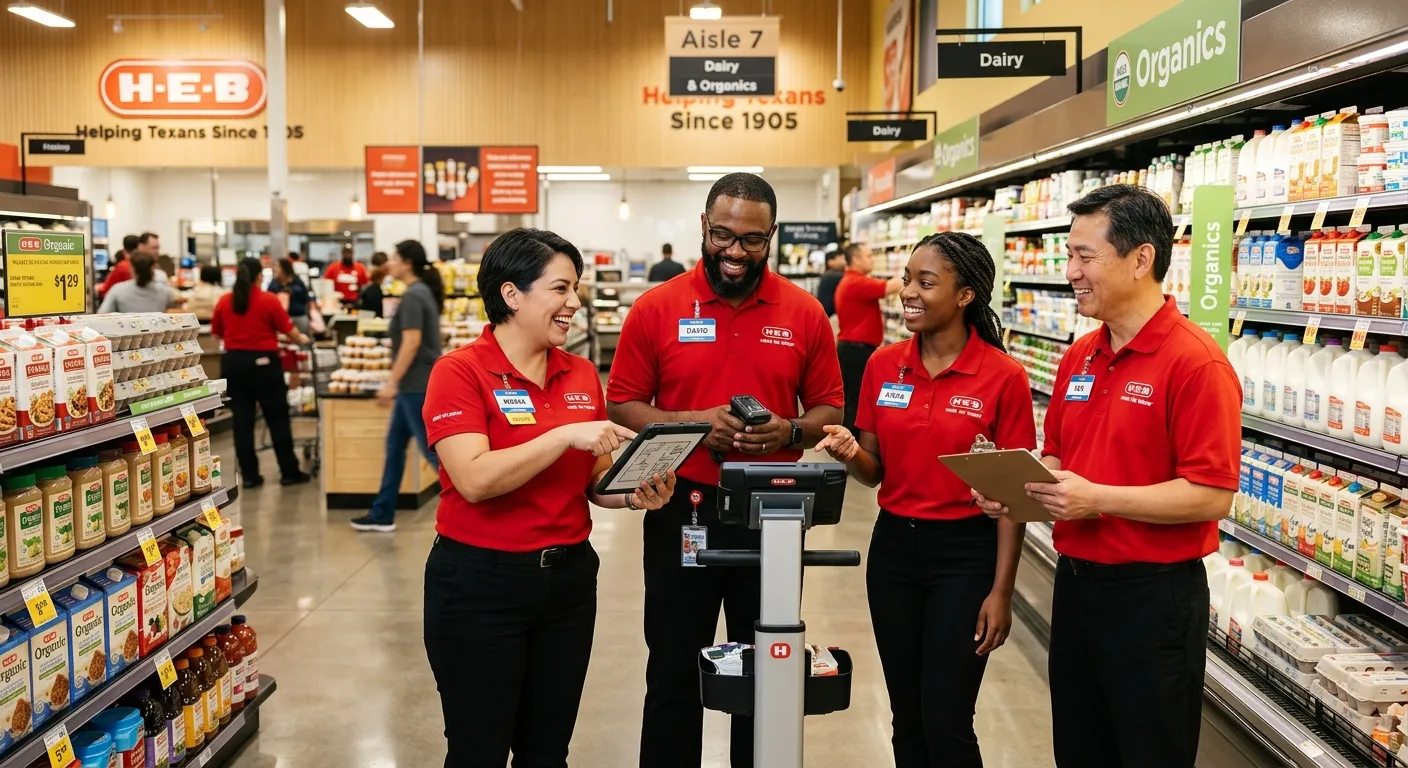
Seeking stable, rewarding employment in the retail sector? This definitive guide answers"Does HEB hire full time employees?" and provides expert insights into their hiring practices, benefits, and how you can secure a long-term career with one of America's most respected grocery chains.
HEB Employment: A Multi-Category Overview
The HEB Full-Time Hiring Process Explained
HEB's approach to hiring full-time employees is structured and competitive, reflecting their status as a top employer. The process typically begins with an online application via their careers portal, followed by one or more interviews. These can range from phone screenings and video interviews to in-person panel interviews, especially for supervisory or specialized roles.
A key differentiator for HEB is their focus on cultural fit and customer service ethos. Candidates are often assessed on scenarios and values alignment. For operational roles, such as in warehouse or logistics, practical skills assessments may be part of the process. Understanding this pipeline is crucial whether you're a job seeker or a business looking to emulate their successful model for hiring reliable staff.
Pro Tip: Tailor your application to highlight stability, customer experience, and any retail or grocery knowledge. For businesses, a streamlined, values-driven hiring process like HEB's can reduce turnover. Need to create your own efficient hiring pipeline? Consider posting your job with us to reach dedicated candidates quickly.
Comprehensive Benefits for Full-Time HEB Partners
Yes, HEB does hire full-time employees, and they refer to them as"Partners," a term that signifies their investment in employee wellbeing. Full-time status unlocks a significant benefits package that is a major draw for talent. This typically includes health, dental, and vision insurance, a robust 401(k) retirement plan with company match, stock purchase plans, and paid time off.
Beyond standard benefits, HEB is known for offering perks like tuition reimbursement, scholarship programs for employees' children, wellness programs, and discounts. This comprehensive support system is designed to foster long-term loyalty and reduce the constant need for recruitment, a challenge many in sectors like catering or hospitality face.
Career Advancement and Internal Mobility
HEB strongly promotes from within. Starting in a full-time entry-level position in departments like checkout, grocery, or prepared foods can lead to careers in management, corporate roles, logistics, marketing, and more. They offer extensive training programs, leadership development, and clear pathways for advancement.
This internal growth model is a powerful retention tool. For businesses in other fast-paced industries, such as construction or event staffing—where you might need an Urgent Roofer in Stoke-on-Trent or staff for a Winter Wonderland event—investing in clear career progression for permanent staff can significantly enhance your employer brand and attract higher-quality applicants.
Direct Hire vs. Flexible Staffing: A Strategic View
HEB primarily relies on direct hiring for its core, full-time"Partner" roles to build a stable, committed workforce. However, like many large retailers, they may utilize temporary agencies for specific projects, seasonal surges, or to fill gaps during high-volume periods.
This hybrid model is smart business. Direct hires provide stability and institutional knowledge, while flexible staffing offers agility. Companies across the UK, whether seeking a Painter & Decorator in Gatwick or a full-time Head Chef, can learn from this. A permanent role is an investment, but having access to on-demand talent for peaks is crucial for efficiency. Our video library explores this balance in depth.
Why HEB's Full-Time Model Is Successful
Understanding the pillars of HEB's employment strategy provides valuable lessons for any business asking,"Should we hire full-time employees?"
Investment in Culture & Training
HEB spends significantly on onboarding and continuous learning, creating a skilled, adaptable workforce. This reduces errors and improves customer satisfaction, a lesson applicable from retail to catering recruitment.
Comprehensive Benefits Drive Retention
Their extensive benefits package directly lowers turnover costs. For businesses struggling with retention in competitive fields like London logistics or Nottingham tech, offering robust benefits is no longer optional.
Clear Internal Career Ladders
By showing a path from cashier to corporate, HEB motivates performance and loyalty. This is as vital in retail as it is in specialized fields requiring security-cleared personnel or skilled trades.
Strategic Use of Flexible Staffing
They complement their core team with temporary staff for holidays or new store openings, ensuring operational flexibility without compromising core culture. This hybrid approach is essential for managing project-based work or short-term catering events.
Community Focus Enhances Brand
HEB's deep community ties make employment there a matter of local pride, attracting candidates who align with their values. Businesses looking to hire a local Berlin or any community-focused team should note this powerful recruitment tool.
Data-Driven Workforce Planning
They forecast staffing needs using sales data, trends, and local demographics, allowing proactive full-time hiring. This level of planning prevents the costly scramble for last-minute staff, a common issue in delivery or van driver roles.
How to Secure a Full-Time Role at HEB: Actionable Advice
For job seekers, the question"Does HEB hire full time employees?" is just the start. Success requires a targeted strategy. Similarly, for employers, understanding how top companies attract permanent talent is invaluable for refining your own recruitment solutions.
For Job Seekers: Steps to Get Hired
-
1
Optimize Your Application for ATS
Use keywords from the job description (e.g.,"customer service,""inventory management,""team leadership"). Highlight any relevant experience, even from other sectors like hospitality or warehouse jobs, that demonstrate transferable skills.
-
2
Prepare for the Behavioral Interview
HEB uses behavioral questions (e.g.,"Tell me about a time you dealt with a difficult customer."). Structure answers using the STAR method (Situation, Task, Action, Result) to demonstrate problem-solving and values alignment.
-
3
Demonstrate Long-Term Potential
Express interest in career growth within HEB. Research their departments and mention specific areas where you'd like to develop. This shows you're not just looking for a job, but a career—a key trait for full-time hires.
For Employers: Lessons in Building a Stable Workforce
If you're a business owner or hiring manager, HEB's model offers a blueprint. The stability of a full-time team is invaluable for complex operations, deep product knowledge, and maintaining company culture. However, building that team requires a strategic hiring process.
Whether you're in retail, need hospitality staff in Wolverhampton, or require specialized recruitment outsourcing in Leeds, the principle is the same: identify core roles that need permanency and invest in a thorough hiring process to find the right fit. The upfront cost is offset by reduced turnover, higher productivity, and better customer service.
The Cost-Benefit Analysis of Full-Time Hiring
A dedicated full-time employee typically provides a higher return on investment over time compared to constantly rotating temporary staff for core functions. They require less supervision, train others, and become brand ambassadors.
The key is to use flexible staffing strategically for variable demand, protecting your core team from burnout and keeping your business agile. Watch our expert breakdown of this balance.
Frequently Asked Questions: Does HEB Hire Full Time Employees?
Get quick answers to the most common questions about HEB's hiring practices and what they mean for your career or business.
Does HEB prefer to hire full-time or part-time employees?
HEB hires a mix of both, but they have a strong commitment to creating full-time"Partner" positions. Their business model relies on a stable core of experienced full-time staff for department management, specialized roles (like butchers, bakers, and managers), and maintaining operational consistency. Part-time roles are crucial for flexibility, especially during evenings, weekends, and holidays, but career advancement is more prominently available to full-time employees.
What are the typical requirements to get a full-time job at HEB?
Requirements vary by role, but common threads include:
- Experience: For supervisory or skilled trade roles (e.g., deli, pharmacy), relevant experience is often required. For entry-level, customer service or teamwork experience is valued.
- Availability: Full-time roles require open availability, including weekends and holidays, which is standard in retail.
- Soft Skills: Exceptional customer service orientation, teamwork, communication, and problem-solving are paramount.
- Cultural Fit: Alignment with HEB's"Spirit of Giving" and community-focused values is critically assessed in interviews.
How does HEB's full-time hiring compare to using a staffing agency?
HEB handles most full-time hiring directly to ensure cultural fit and long-term retention. Staffing agencies are typically used for temporary, seasonal, or very specialized short-term needs. For other businesses, this highlights a strategic decision: use direct hiring for core, permanent roles that define your business (like a Chef in a restaurant), and leverage reputable agencies for project-based work, sudden demand spikes, or to trial candidates for potential permanent conversion. This is a common strategy in recruitment solutions across industries.
Can I transition from a temporary/seasonal role to full-time at HEB?
Absolutely. This is a proven pathway. Excelling in a seasonal or temporary role demonstrates your work ethic, adaptability, and fit within the team. Express your interest in full-time opportunities to your manager, perform consistently, and apply for internal postings. Many HEB Partners start this way. This"try before you buy" model is also effective for businesses; you can use a temporary placement from an agency to assess a worker's skills before offering a permanent position, reducing hiring risk.
What's the biggest mistake candidates make when applying for full-time roles at HEB?
The most common mistake is treating it like a generic job application. Failing to research HEB's unique culture, community involvement, and values (like"Spirit of Giving") will make your application blend in. Similarly, not tailoring answers to highlight customer service and teamwork—the bedrock of retail—will hurt your chances. For employers, the parallel mistake is posting a generic job ad. To attract the best permanent talent, your ad must communicate your company's unique culture and the real growth opportunities, much like HEB does. Ready to craft a compelling job posting? Start here.
Build Your Own Stable, High-Performing Team
Whether you're inspired by HEB's model to secure your own career or to apply these principles to hire a local Berlin team—or anywhere else—the foundation is a strategic approach to full-time hiring. Stability drives success.
Need specialized recruitment support? Discover our expert recruitment solutions for sectors ranging from catering to construction.
Case Study: How HEB Adapts Full-Time Hiring to Local Markets
A key strength in HEB's employment strategy is its nuanced approach to different regions. While their core values remain constant, their full-time hiring practices and role availability can vary significantly between, for example, metropolitan Houston and a smaller community in the Texas Hill Country. Understanding these variations provides a masterclass in localized workforce planning.
Urban & Suburban Stores
In high-density areas, HEB often operates larger formats like HEB Plus! or Central Market. These locations have a greater demand for specialized full-time roles. You'll find dedicated full-time positions for:
- Department Specialists: Certified butchers, cheesemongers, sommeliers, and pastry chefs who provide premium customer expertise.
- Inventory & Logistics Coordinators: Roles focused on managing complex supply chains for higher-volume stores.
- Digital & eCommerce Teams: Full-time personal shoppers, delivery coordinators, and tech support for Curbside and Home Delivery services.
The competition for these roles is fiercer, but the career paths into corporate buying, category management, or regional leadership are more direct. For businesses in other urban centers, this highlights the need to tailor your permanent roles to the specific service demands and competitive landscape of the city.
Rural & Community Stores
In smaller towns, HEB isn't just a grocer; it's a community hub and a major employer. Full-time hiring here emphasizes versatility and deep community ties.
- Cross-Trained Partners: Employees are often trained across multiple departments (grocery, checkout, perishables), making them more valuable and engaged.
- Leadership Roles: Store leadership positions carry significant local prestige and responsibility, often filled by individuals who have grown with the community.
- Focus on Tenure & Loyalty: Applications that demonstrate long-term commitment to the area are highly valued. Turnover is typically lower.
This model shows how businesses can build a loyal, multi-skilled core team in less populated areas, where the relationship between employer and employee is profoundly interconnected with the community's wellbeing.
Strategic Insight: Whether you're a job seeker or an employer, location matters. Research the specific store format and community. A candidate applying in a rural area should stress versatility and community involvement, while an urban applicant should highlight specialization and scalability experience. Similarly, a business looking to hire a local Berlin team must understand the city's unique tech talent pool, just as a business in a coastal town would focus on hospitality and tourism experience.
Beyond Turnover: The Tangible Business Impact of Full-Time Teams
While reduced turnover is a clear benefit, HEB's commitment to full-time"Partners" generates deeper operational and financial advantages that any data-driven business should consider. These are not soft benefits; they are hard metrics impacting the bottom line.
| Operational Area | Impact of Full-Time Staff | Business Lesson |
|---|---|---|
| Loss Prevention | Experienced, invested employees have lower rates of shrinkage (theft, waste, damage). They understand inventory protocols and have a vested interest in the store's profitability. | Investing in permanent staff for critical inventory roles, whether in retail or warehouse operations, directly protects assets. |
| Customer Lifetime Value (CLV) | Familiar faces build relationships. A full-time butcher who knows a customer's preferences creates loyalty that transcends price, increasing CLV and insulating against competition. | In service industries like catering or salons, a permanent, skilled team becomes a key brand asset that customers return for. |
| Training Efficiency | Full-time employees become force multipliers. They onboard and mentor new and seasonal staff, drastically reducing the managerial time and cost required for training. | A core of permanent workers stabilizes operations during growth spurts or seasonal rushes, such as hiring for Winter Wonderland events. |
| Innovation & Process Improvement | Employees with long-term perspective and deep process knowledge are the primary source of practical ideas for efficiency gains and customer service innovations. | Creating a culture where permanent staff are encouraged to suggest improvements, much like in skilled trades or tech, drives continuous optimization. |
This analysis moves the conversation from"full-time is nice" to"full-time is strategically imperative for core functions." The initial higher cost of benefits and salary is offset by multiplicative gains in efficiency, customer retention, and operational integrity. For a business facing constant recruitment churn in fields like hospitality or logistics, conducting a similar impact analysis can justify the investment in building a stable core team.
Looking Ahead: The Evolution of Full-Time Work at HEB
As workplace norms evolve, so do the strategies of leading employers like HEB. Examining emerging trends provides a forward-looking perspective for job seekers planning a career and for businesses benchmarking their own employment models.
Hybrid Roles & Digital Fluency
The line between in-store and digital is blurring. Future full-time roles may blend physical customer service with managing digital touchpoints—like a department manager also optimizing online product listings or a personal shopper providing virtual cooking classes.
This signals a growing need for continuous upskilling, a factor businesses in all sectors must consider for their permanent staff's development.
Flexibility Within Full-Time
To attract top talent, especially younger generations, HEB may expand flexible scheduling options even for full-time Partners. This could include compressed workweeks or more predictable, self-managed shift patterns, all while maintaining benefit eligibility.
The lesson for employers is clear: offering stability does not mean rigidity. Flexibility is becoming a key component of competitive full-time packages.
Data-Informed Career Pathing
HEB is likely to leverage people analytics more heavily. This means using data to identify skill gaps, predict internal talent mobility, and create personalized career development plans for full-time Partners, making internal advancement more transparent and accessible.
For job seekers, this underscores the importance of being proactive in tracking achievements and seeking feedback to become a visible candidate for internal moves.
The core answer to"Does HEB hire full time employees?" remains a definitive yes, but the nature of those roles is dynamic. For businesses, this evolution highlights that building a future-proof workforce isn't just about hiring full-time; it's about continuously investing in and adapting the roles, skills, and working models of your core team.
Read More About Workforce Trends
