Team Catering Jobs DBS Checked School Catering Assistants Needed Urgently in St Albans
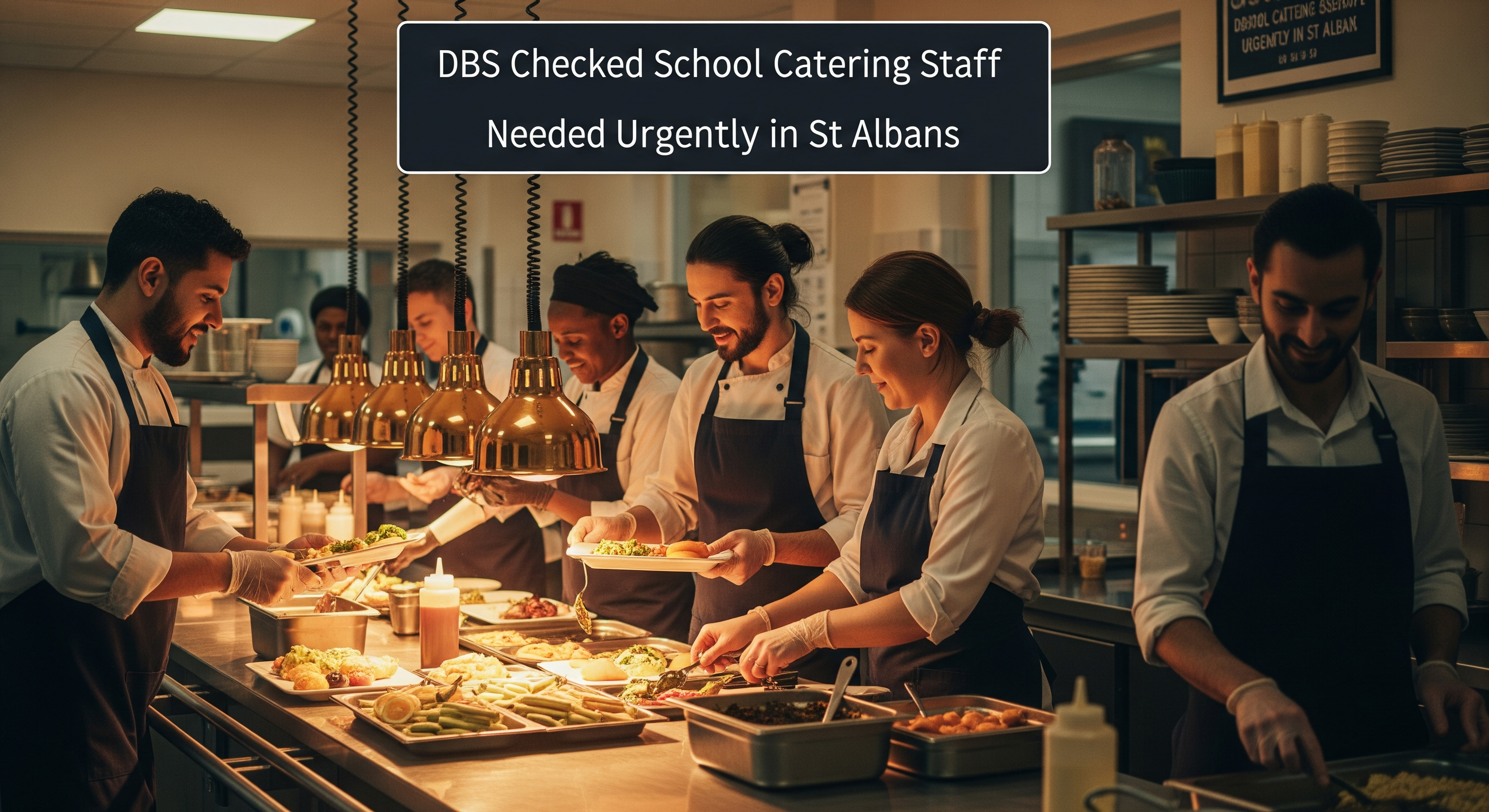
Finding the right catering position in a school environment can be incredibly rewarding, especially when you're part of a team that nourishes young minds daily. If you're searching for stable employment with sociable hours and the chance to make a real difference in your local community, school catering roles in St Albans might be exactly what you need. Right now, there's an urgent demand for DBS checked school catering assistants throughout the area, and these positions offer something that many jobs simply can't match—a genuine work-life balance combined with meaningful work.
Why School Catering Jobs in St Albans Are in High Demand
St Albans, with its thriving educational sector and growing population, has seen a significant increase in the need for qualified catering staff. Schools across the city—from primary institutions to secondary academies—are actively seeking reliable, enthusiastic individuals to join their catering teams. The urgency isn't just about filling vacancies; it's about maintaining the quality of service that students and staff have come to expect.
The pandemic changed how we think about school meals. There's now a greater emphasis on nutritious, freshly prepared food served in safe, hygienic environments. This shift has created more opportunities but also raised the bar for the kind of professionals schools want on their teams. That's where DBS checked catering assistants come in—individuals who've been properly vetted and are ready to work in educational settings.
What Does a School Catering Assistant Actually Do?
Let's be honest—when most people think about school catering, they picture lunch ladies serving up plates of food. But the role is so much more varied and interesting than that stereotype suggests. School catering assistants are the backbone of the entire food service operation.
Your typical day might start with food preparation—washing vegetables, preparing ingredients for the day's menu, and setting up serving stations. You'll work alongside chefs and other catering staff to ensure everything runs smoothly during meal services. This means serving food to students and staff, operating tills or payment systems, and keeping serving areas clean and well-stocked throughout service periods.
But it doesn't stop there. After the lunch rush, there's cleaning and sanitizing of all equipment, food storage areas, and dining spaces. You'll help with stock rotation, ensuring older items get used first, and you might assist with inventory checks. Health and safety compliance is huge in school catering, so you'll be trained on proper food handling, allergen awareness, and hygiene standards.
What makes school catering different from restaurant work is the interaction with students. You become a familiar face, someone the kids recognize and often chat with during their lunch break. It's surprisingly fulfilling to see children enjoying the meals you've helped prepare, especially when you know you're contributing to their nutrition and wellbeing.
Understanding the DBS Check Requirement
If you're new to working in schools, you might be wondering what all the fuss about DBS checks is. DBS stands for Disclosure and Barring Service, and it's the UK system for checking someone's criminal record before they work in positions of trust—especially roles involving children or vulnerable adults.
For school catering positions in St Albans, an enhanced DBS check is typically required. This is the most comprehensive level of check and includes details of convictions, cautions, warnings, and reprimands held on the Police National Computer, plus any relevant information held by local police forces. It's a safeguarding measure that protects students and gives parents peace of mind.
Here's what you need to know: having a DBS check doesn't mean you need a completely clean record. Many schools and catering companies take a pragmatic approach, looking at the nature of any offenses, how long ago they occurred, and whether they're relevant to the role. Minor, historic offenses often won't disqualify you from working in school catering, especially if you're honest about them upfront.
If you don't currently have a DBS certificate, don't let that put you off applying. Many employers in St Albans will process the application for you as part of the hiring process. It typically takes between two to four weeks to come through, though this can vary. Some catering companies maintain an Update Service subscription, which allows them to check your DBS status online if you've registered for this service.
The cost of a DBS check for school catering work is usually covered by the employer, though some agencies might ask you to pay upfront with reimbursement later. Standard cost for an enhanced DBS check is around £52.20 if you're paying it yourself, but again, most school catering employers will handle this for you.
Skills and Qualities Schools Look For
You don't need a culinary degree to work as a school catering assistant, but there are certain skills and qualities that'll make you stand out. Schools in St Albans are looking for team players above all else—people who can work harmoniously in what can be a fast-paced, pressured environment during service times.
Reliability is absolutely crucial. School meal times run like clockwork, and the team depends on everyone showing up ready to work. Unlike restaurant shifts that might have some flexibility, schools have fixed break times when hundreds of students need feeding in a relatively short window. If you're someone with a solid attendance record and a reputation for punctuality, mention this in your application.
Food hygiene knowledge is essential, though many employers will provide this training if you don't already have it. A Level 2 Food Safety certificate is highly desirable and sometimes required, but don't worry if you haven't got one yet—many positions offer this training in your first few weeks.
People skills matter more than you might think. You'll interact with children of all ages, teaching staff, and your catering colleagues. Being friendly, patient, and able to communicate clearly makes the whole operation run more smoothly. Some students have special dietary requirements or allergies, so being attentive and detail-oriented isn't just nice to have—it's essential for student safety.
Physical fitness is worth considering too. You'll be on your feet for most of your shift, carrying equipment, lifting supplies, and moving around between kitchen, serving, and cleaning areas. It's more physical than desk work, but many people find this a plus—the day goes quickly when you're active.
The Benefits of Working in School Catering
Let's talk about why so many people are drawn to school catering roles and why they tend to stay once they start. The benefits extend well beyond just earning a wage.
First and foremost, the hours are incredibly family-friendly. Most school catering positions run during term time only, typically from about 10 am to 2 pm or 11 am to 3 pm. This means you're done before the school day ends—perfect if you have your own children to collect. You'll have evenings, weekends, and school holidays off, which is practically unheard of in hospitality and catering outside the education sector.
Working term-time only means you get approximately 13 weeks off per year, aligning with school holidays. While some contracts are pro-rata (meaning your salary reflects working fewer weeks per year), the work-life balance is exceptional. Many parents find this arrangement invaluable, and it eliminates the need for holiday childcare.
The work environment in schools is generally supportive and structured. You're part of an established team with clear procedures and expectations. There's less of the unpredictability you find in commercial catering—no wondering if tonight will be busy or quiet, no variable shift patterns changing weekly. You know your schedule well in advance.
Schools typically offer job security and stability. Once you're established in a school catering role, especially if you're directly employed by the school or local authority rather than an agency, you're in a relatively secure position. Education continues regardless of economic ups and downs, so school catering tends to be recession-resistant.
Many school catering positions also come with benefits like pension schemes, sick pay, and holiday pay (even if you're term-time only, this is often built into your hourly rate or salary). Some schools offer staff meals during your shift, which is both convenient and money-saving.
There's also something genuinely satisfying about the work. You're contributing to children's education and development by providing the nutrition they need to learn effectively. Schools increasingly recognize that well-fed children perform better academically and behave better in class. You're not just serving food—you're supporting education itself.
Current Opportunities in St Albans
St Albans has a diverse range of educational institutions, from state primary and secondary schools to academies, faith schools, and private institutions. This diversity creates varied catering opportunities across the city and surrounding areas.
Primary schools generally have a more relaxed atmosphere during meal times. You might help younger children with their food choices, encourage them to try new things, and manage the more informal dining setup many primary schools use. The pace can be intense during the service period when you're feeding several hundred children in staggered sittings, but it's also quite rewarding to interact with enthusiastic young students.
Secondary schools operate differently, often with a cafeteria-style setup where students have more choice. The service period might be longer, with different break times for different year groups. There's typically less direct interaction with individual students, but the operational side can be more complex with multiple food stations, varied menu options, and higher volumes.
Several major catering companies operate in St Albans schools, including national providers like Chartwells, Caterlink, and HC3S (Hertfordshire Catering and Cleaning Services), as well as some smaller local catering firms. Some schools also directly employ their catering staff. Each model has its advantages—larger companies might offer more training and progression opportunities, while direct school employment can feel more personal and connected to the school community.
The urgent need for staff right now means that many positions are being advertised with quick start dates. Schools and catering providers are keen to fill vacancies before the spring term gets fully underway, which means if you apply now and your DBS check processes quickly, you could be working within a matter of weeks.
Wages for school catering assistants in St Albans typically range from the National Living Wage up to around £13-£16 per hour, depending on experience and the specific employer. Some positions are salaried rather than hourly, with annual salaries for full-time equivalent roles ranging from £18,000 to £22,000 (though remember, most school catering is part-time and term-time only, so actual take-home would be pro-rata).
How to Apply for School Catering Positions in St Albans
If you're interested in pursuing school catering work in St Albans, there are several routes you can take. Understanding where to look and how to present yourself will significantly improve your chances.
Start by checking the websites and job boards of the major school catering providers. Companies like Chartwells, Caterlink, and HC3S regularly advertise vacancies and often have dedicated pages for school-based roles. General job sites like Indeed, Reed, and Totaljobs also list school catering positions, usually with search filters that let you specify St Albans and term-time roles.
Hertfordshire County Council's website sometimes lists catering positions in schools they directly support. Many schools in St Albans are maintained by the local authority, so this can be a useful resource. The council website will also have information about employment rights and standards in Hertfordshire schools.
Don't underestimate the power of directly contacting schools. If there's a particular school in St Albans where you'd love to work—perhaps one your children attend or one that's particularly convenient for you—it's worth calling or emailing their office to express your interest. Even if they don't currently have vacancies, they might keep your details on file or point you toward their catering provider.
Recruitment agencies specializing in education or hospitality staff also place people in school catering roles. These agencies handle the initial vetting and paperwork, then place you in positions that match your availability and location preferences. While agency work can be slightly less secure than direct employment, it's a good way to get your foot in the door, and many agency placements convert to permanent positions.
When you're putting together your application—whether it's a CV, application form, or both—emphasize the skills schools particularly value. Highlight any previous food service experience, but don't worry if your background is in retail, care work, or other customer-facing roles. The transferable skills are what matter: teamwork, reliability, communication, and a genuine interest in working with children.
If you have any relevant qualifications, make sure these are prominently displayed. A Level 2 Food Safety certificate, First Aid training, or any previous safeguarding training are all valuable. If you've worked with children in any capacity—as a parent volunteer, sports coach, or in any educational setting—mention this as well.
References are particularly important for school-based roles. If you can provide references from previous employers that speak to your reliability, trustworthiness, and character, this will strengthen your application considerably. Schools need to trust their staff, and good references go a long way toward establishing that trust.
Training and Development Opportunities
One of the underappreciated aspects of school catering work is the training and professional development available. This isn't just about learning to serve food—it's about building skills that are valuable across the hospitality and education sectors.
When you start a school catering position, you'll typically receive comprehensive induction training. This covers food hygiene and safety, allergen awareness (which is increasingly important given the rise in food allergies and intolerances), manual handling, and health and safety procedures specific to working in a school kitchen and serving environment.
Food hygiene training is usually provided at Level 2 as a minimum, with some senior catering assistants progressing to Level 3. This qualification is recognized across the food industry and can open doors to other roles if you decide to move into different areas of catering later.
Allergen training has become mandatory in school catering settings. You'll learn about the 14 major allergens, how to identify them in ingredients and dishes, how to prevent cross-contamination, and how to communicate effectively with students and parents about allergen information. This knowledge isn't just legally required—it's potentially life-saving.
Many school catering teams also provide customer service training, focusing on positive interactions with students and staff. You might receive safeguarding training that teaches you to recognize signs that a child might be at risk and understand your responsibilities as someone working in a school environment.
For those who want to progress beyond the catering assistant role, there are clear pathways. You might move into supervisor positions, take on responsibility for specific areas like allergen management or stock control, or even train as a school cook or chef. Some of the larger catering companies offer apprenticeship programs and management training schemes.
The skills you develop in school catering—time management, working under pressure, teamwork, attention to detail, customer service, and food safety—are genuinely transferable. Many people use school catering as a stepping stone into other careers, whether that's further education, other hospitality roles, or entirely different fields.
What Sets St Albans Apart
St Albans itself is a wonderful place to work, with advantages that make catering jobs here particularly appealing. The city has a strong sense of community, excellent transport links, and a cost of living that, while not cheap, offers better value than central London while maintaining many of the same cultural and social amenities.
The schools in St Albans generally have good reputations and adequate funding, which translates to better working conditions for staff. Well-resourced schools tend to have better-maintained kitchens, more reliable equipment, and more supportive management structures. The student population in St Albans is diverse and engaged, which makes the work environment more positive and rewarding.
St Albans is well-connected by rail to London and other major employment centers, but working locally in school catering eliminates the commute stress many people experience. You're working in your own community, potentially even at schools your children attend or attended. This local connection often makes the work feel more meaningful.
The city's strong education sector means there are multiple schools within a small geographical area. If you're working through an agency or a large catering provider, you might have opportunities to work at different schools depending on need, giving you variety and flexibility.
Making a Difference Through School Catering
It's easy to underestimate the impact school catering staff have on students' lives. For some children, the meal they receive at school is the most nutritious food they'll eat that day. School catering teams provide stability, routine, and care that extends beyond just putting food on plates.
Children notice the adults who serve them, especially younger students in primary schools. A friendly smile, remembering a child's name, or gently encouraging a fussy eater to try something new—these small interactions contribute to a positive school experience. For children facing challenges at home, school can be a safe haven, and the catering staff are part of creating that safe environment.
There's also the social aspect. Meal times are important for children's social development. They learn table manners, how to make choices, how to interact appropriately with adults and peers in a semi-formal setting. Catering staff help facilitate these learning opportunities just by maintaining a positive, structured meal service.
Schools are increasingly aware of food poverty and the role they play in addressing it. Many schools in St Albans and across the UK have expanded their free school meal provision, breakfast clubs, and holiday food programs. Working in school catering means you're on the front line of this important social initiative, ensuring children aren't going hungry.
Addressing Common Concerns
People considering school catering roles often have similar questions and concerns. Let's address some of the most common ones.
"I'm worried I won't earn enough working part-time hours." This is a valid concern, but many people find that the hours work well as part of a portfolio of activities. Some school catering assistants have other part-time jobs that fit around the school day, run small businesses, or undertake further education during their free time. The reliability of the income and the work-life balance often outweigh the reduced hours for many people. Plus, if you're a parent, you're saving on childcare costs, which effectively increases your take-home pay.
"What if I don't have much catering experience?" Many successful school catering assistants came into the role with limited or no professional catering experience. If you've cooked at home, managed a household, or worked in any customer-facing role, you have transferable skills. Employers understand that they can train the technical aspects of the job—what they can't easily train is attitude, reliability, and interpersonal skills.
"Will I have to work during school holidays?" Most school catering positions are term-time only, meaning you don't work during school holidays. Your contract and pay structure will reflect this. Some schools run holiday clubs or summer programs that require catering support, and you might be offered the opportunity to work during these times for additional income, but it's usually optional rather than required.
"What if my DBS check reveals something from my past?" Be honest and upfront about any criminal record from the start. Many offenses, particularly minor or historical ones, won't automatically disqualify you. The decision makers look at the nature of the offense, how long ago it occurred, evidence of rehabilitation, and relevance to working with children. Dishonesty is more likely to end your application than a minor past offense.
"Is the work very physical?" School catering does involve being on your feet, lifting equipment and supplies, and moving around quite a bit. However, proper training includes manual handling techniques to minimize injury risk, and the pace is manageable for most people with a reasonable level of fitness. If you have specific physical limitations or health conditions, discuss these with potential employers—many roles can be adapted or adjusted to accommodate various needs.
The Future of School Catering
School catering is evolving, and understanding these changes can help you see the long-term potential in these roles. There's an increasing focus on fresh, locally sourced ingredients, sustainable practices, and menus that reflect the cultural diversity of student populations.
Many schools in St Albans and across Hertfordshire are moving toward scratch cooking—preparing meals from raw ingredients rather than relying on pre-prepared foods. This shift creates more interesting, varied work for catering staff and requires developing genuine culinary skills rather than just reheating and serving.
Nutritional standards for school meals are taken seriously, with government guidelines specifying nutritional content, portion sizes, and required variety. This means school catering teams are genuinely engaged in health promotion, working with dietitians and nutritionists to create balanced menus that support children's development.
Sustainability is another growing focus. Schools are reducing food waste, implementing better recycling programs, and considering the environmental impact of their food choices. Being part of this movement toward more sustainable catering practices can be genuinely satisfying for people who care about environmental issues.
Technology is also changing school catering. Many schools now use cashless payment systems, pre-ordering apps that let parents order their children's meals in advance, and sophisticated inventory management systems. While this might sound intimidating, the training is provided, and these systems often make the work easier rather than harder.
Conclusion: A Unique Opportunity Awaits in St Albans
The urgent demand for DBS checked school catering assistants in St Albans presents a golden opportunity. It's a chance to secure a job with unparalleled work-life balance, become part of a supportive team, and make a genuine difference in your community. You will be the friendly face that provides the fuel for learning, the warm meal that comforts a child on a cold day, and a vital part of the incredible educational system in this historic city.
If you're ready to swap the mundane for the meaningful and embark on a rewarding new career path, contact us today. Your new team is waiting for you.
Frequently Asked Questions (FAQs)
Here are the answers to some of the most common questions we receive about our school catering assistant roles.
1. Do I absolutely need previous catering or kitchen experience to apply?
While any experience in a kitchen environment (even in a café or fast-food restaurant) is beneficial, it is not always essential. For many entry-level catering assistant positions, the most important qualities are reliability, a positive attitude, and a willingness to learn. We are looking for people who are team players and understand the importance of hygiene and safety. Full training on specific school procedures and equipment is always provided on the job.
2. What is the difference between a Standard and an Enhanced DBS check?
A Standard DBS check shows details of spent and unspent convictions, cautions, reprimands, and warnings. An Enhanced DBS check, which is required for school roles, includes all of that plus any relevant information held by local police forces. Crucially, for school positions, it also includes a check of the Children’s Barred List, which is a list of individuals who are legally barred from working with children. This higher level of scrutiny is a key part of the safeguarding process in schools.
3. Are these roles permanent contracts or temporary agency work?
We offer a variety of roles to suit different needs. Many of our positions start as temporary agency roles. This offers great flexibility, allowing you to try working in different schools to find the best fit. However, these temporary roles very often lead to permanent contracts directly with the school for candidates who prove to be reliable and a great addition to the team. We also recruit for permanent term-time contracts from the outset. We can discuss your personal preference during our initial chat.
4. What are the typical working hours for a school catering assistant?
The hours are one of the best perks of the job! A typical shift is usually between 4 to 5 hours per day, Monday to Friday, during term time only. A common shift pattern would be from 9:30 am to 2:00 pm or 10:00 am to 2:30 pm. These hours are specifically designed to cover the main lunch preparation, service, and clean-up period, while conveniently fitting within the standard school day, making them perfect for parents.
5. What kind of training is provided once I start?
Your health and safety, as well as that of the children, is the top priority. On your first day, you will receive a full induction from the school's kitchen manager. This will include a tour of the kitchen, health and safety briefings (including fire safety), and specific training on all the equipment you will be using. You will be shown the correct procedures for food handling, hygiene, and allergen awareness. If you don't already have a Level 2 Food Safety and Hygiene certificate, we can often assist you in obtaining this crucial qualification.

