Team Catering: Hiring Sous Chefs in Newcastle

Team Catering: Hiring Sous Chefs in Newcastle
Job Overview
Team Catering is seeking talented and passionate Sous Chefs to join our dynamic culinary team in Newcastle. As a Sous Chef, you will work directly under the Executive Chef to ensure the smooth operation of our kitchen, maintaining high standards of food preparation and presentation.
Main Responsibilities
* Assist the Executive Chef in managing daily kitchen operations
* Oversee and coordinate food preparation and cooking activities
* Develop and implement menu items in collaboration with the Executive Chef
* Ensure compliance with food safety regulations and quality standards
* Train, supervise, and mentor kitchen staff
* Manage inventory and stock levels, placing orders when necessary
* Maintain kitchen equipment and ensure cleanliness of work areas
* Assist with cost control and budget management
* Step in for the Executive Chef in their absence
Required Skills & Qualifications
* Culinary degree or relevant professional certification
* Food Hygiene Certificate (Level 3 or above)
* Excellent knowledge of various cooking methods, ingredients, and kitchen procedures
* Strong leadership and team management abilities
* Exceptional time management and organizational skills
* Creative approach to food preparation and presentation
* Ability to work under pressure in a fast-paced environment
* Excellent verbal communication skills
* Proficiency in inventory management and cost control
Experience
* Minimum 3 years of experience in a professional kitchen setting
* Previous experience in a Sous Chef or senior line cook position
* Demonstrated experience in menu development and implementation
* Experience in staff training and supervision
* Proven track record of maintaining food quality and safety standards.
The Evolving Role of Sous Chefs in Newcastle’s Culinary Landscape
Newcastle’s food scene has undergone a remarkable transformation in recent years, evolving from traditional pub fare to a diverse culinary landscape that rivals many major cities. At the heart of this revolution are the talented sous chefs who work tirelessly behind the scenes to maintain kitchen standards, innovate menus, and support executive chefs in delivering exceptional dining experiences. As team catering operations expand across the North East, the demand for skilled sous chefs has never been higher, creating both opportunities and challenges for Newcastle’s hospitality sector. Newcastle’s Culinary Renaissance and Its Impact on Kitchen Staffing

Newcastle upon Tyne has experienced a genuine culinary renaissance over the past decade. The city now boasts everything from Michelin-recommended establishments to innovative street food ventures, independent restaurants, and large-scale catering operations. This expansion has created significant demand for qualified kitchen staff, particularly in the crucial sous chef position—the operational backbone of any successful kitchen.
Recent statistics from hospitality recruitment agencies indicate a 35% increase in sous chef vacancies across the North East region compared to pre-pandemic levels. This surge reflects not only recovery from COVID-19 disruptions but also genuine growth in Newcastle’s food service sector. New developments like the Quayside expansion and the revitalization of Grainger Town have introduced additional dining venues, each requiring skilled kitchen brigades led by competent sous chefs.
The role has evolved significantly from the traditional “second in command” position. Today’s sous chefs in Newcastle are expected to be multifaceted professionals who combine culinary expertise with leadership skills, business acumen, and technological proficiency. They serve as the crucial link between the executive chef’s vision and the practical execution by the kitchen team.
Essential Qualities and Qualifications for Modern Sous Chefs
The ideal sous chef candidate for Newcastle’s team catering operations possesses a blend of technical expertise, management abilities, and personal attributes suited to the fast-paced culinary environment. Formal qualifications remain important, with most employers seeking candidates who hold at least NVQ Level 3 in Professional Cookery or equivalent. Culinary degrees from institutions like Newcastle College or Northumbria University’s Hospitality programs are increasingly valued, though practical experience is still considered equally important.
Beyond technical cooking skills, employers consistently highlight several key attributes when recruiting sous chefs. Leadership ability tops the list, as sous chefs must effectively manage kitchen brigades, often comprising diverse personalities and skill levels. They must demonstrate excellent communication skills to relay the executive chef’s instructions clearly while maintaining kitchen morale and standards during intense service periods.
Time management and organizational skills are similarly crucial. The modern sous chef must coordinate multiple stations, manage preparation timelines, and ensure consistent quality across all dishes. Additionally, adaptability and problem-solving abilities are essential, as catering operations frequently encounter unexpected challenges that require quick thinking and creative solutions.
Perhaps most significantly, Newcastle employers increasingly seek sous chefs with specific knowledge of North East produce and culinary traditions. As the region embraces food tourism, the ability to work with local suppliers and incorporate regional specialties has become a valuable asset for catering teams serving both locals and visitors.
Recruitment Challenges in Newcastle’s Competitive Market
Despite the growing popularity of culinary careers, Newcastle employers face several significant challenges when recruiting qualified sous chefs. The most frequently cited obstacle is the simple shortage of candidates with the necessary combination of technical skills and management experience. This scarcity has created a highly competitive recruitment market, with establishments often finding themselves competing for the same limited pool of talent.
Salary expectations present another hurdle. While Newcastle’s cost of living remains lower than many UK cities, sous chef salaries have risen substantially as demand has increased. Current data indicates that sous chefs in Newcastle can command between £28,000-£35,000 annually, with higher salaries offered in premium establishments. For catering companies operating on tight margins, these increased labor costs present significant budgetary challenges.
Work-life balance concerns also affect recruitment efforts. The traditional hospitality model of long, unsociable hours conflicts with changing workforce priorities, particularly among younger culinary professionals. Many potential sous chef candidates express reluctance to accept positions that require consistent evening and weekend work or regularly exceed 50 working hours weekly. This has forced some establishments to reconsider their operating models and scheduling practices.
Additionally, the post-Brexit reduction in EU workers has substantially impacted Newcastle’s hospitality sector. Many kitchens previously relied on European sous chefs who brought valuable international experience and techniques. With this talent pool diminished, local employers must intensify their focus on developing homegrown culinary talent.
Innovative Recruitment Strategies for Attracting Top Talent
Forward-thinking catering operations in Newcastle are adopting creative approaches to sous chef recruitment that address these market challenges. Digital recruitment has become increasingly sophisticated, with employers moving beyond traditional job boards to utilize culinary-specific platforms like Caterer.com and Chef Jobs UK. Social media recruitment has proven particularly effective, with Instagram and TikTok campaigns showcasing kitchen culture and culinary creativity attracting younger candidates who value workplace environment alongside career progression.
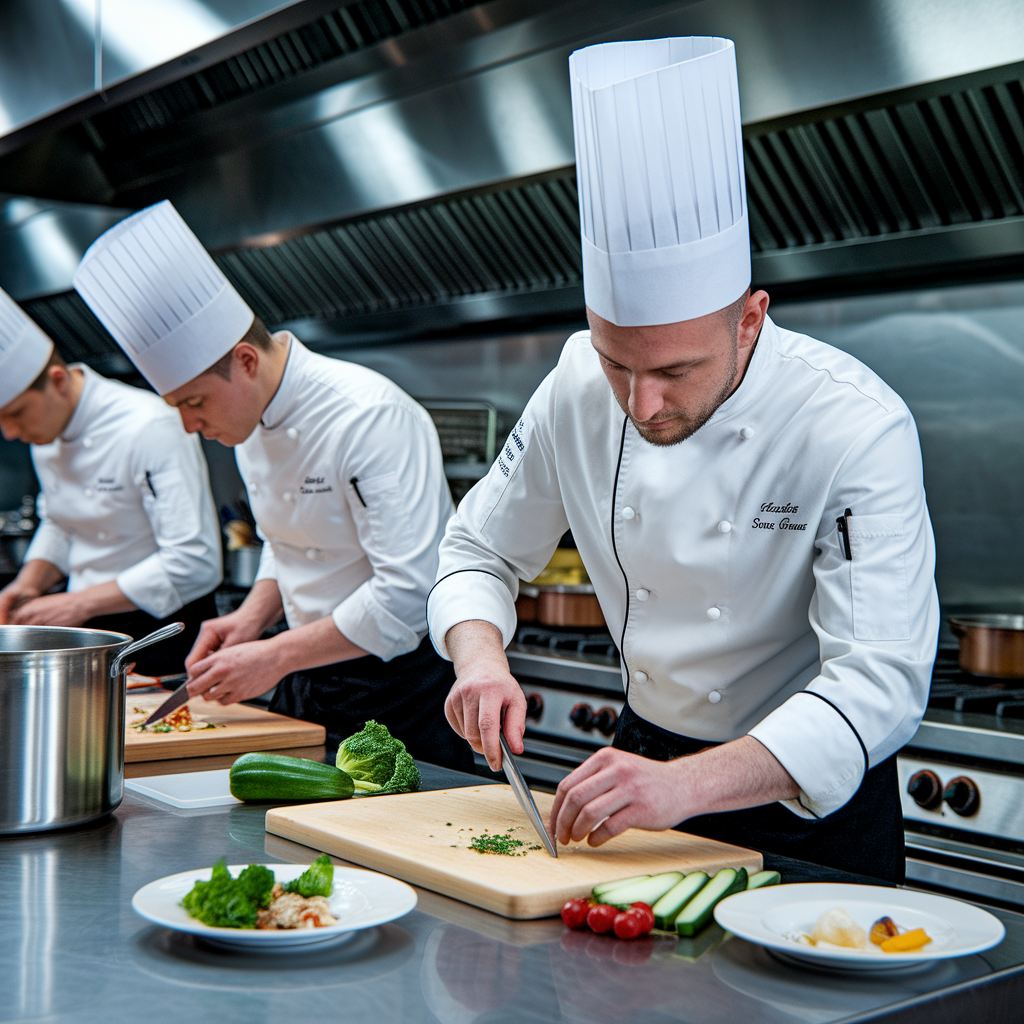
Several Newcastle establishments have implemented “stage programs” (short-term working trials) that allow potential sous chef candidates to experience the kitchen environment before formal employment. This approach benefits both parties—candidates can assess the work culture and expectations, while employers can evaluate skills and team compatibility in a practical setting before making hiring commitments.
Partnership with local culinary education providers has become another successful recruitment pathway. Newcastle College’s Culinary Arts program now includes internship placements with prominent catering companies, creating a direct pipeline for identifying promising sous chef candidates early in their careers. Similarly, apprenticeship programs have been revitalized, with structured progression routes that can take ambitious commis chefs to sous chef positions within three years.
Perhaps most notably, some Newcastle employers are redefining the sous chef role itself to make it more attractive. Flexible scheduling options, four-day work weeks, wellness programs, and guaranteed holiday periods are increasingly featured in job advertisements. These quality-of-life enhancements, while requiring operational adjustments, have proven effective in attracting high-caliber candidates who might otherwise pursue opportunities outside the hospitality sector.
Staff Retention Strategies for Team Catering Operations
Recruitment represents only half the challenge—retention of talented sous chefs is equally crucial for maintaining kitchen standards and operational consistency. Newcastle employers report that sous chefs typically remain in positions for 18-24 months before seeking advancement, creating a continuous recruitment cycle unless retention strategies are implemented.
Competitive compensation remains fundamental to retention efforts. Beyond base salary, performance-based bonus structures tied to profitability, customer satisfaction, or food cost management provide financial incentives while aligning sous chef priorities with business objectives. Non-monetary benefits like health insurance, pension contributions, and employee discount programs further enhance the total compensation package.
Professional development opportunities significantly influence retention rates. Catering operations that budget for continuing education—whether through external courses, supplier visits, or participation in culinary competitions—typically report longer staff tenures. Several Newcastle establishments now sponsor sous chefs to attend specialized training in areas like fermentation, plant-based cuisine, or advanced pastry techniques, allowing them to develop new skills while remaining with their current employer.
Work environment and culture have emerged as critical retention factors. Kitchens that have moved away from the traditionally aggressive hierarchical structure toward more collaborative team environments report significantly higher sous chef retention. Regular team-building activities, clear communication channels, and formal recognition programs all contribute to creating kitchen cultures where talented sous chefs choose to remain.
Career progression pathways provide another powerful retention tool. Catering operations with multiple venues or expanding operations can offer sous chefs clear advancement routes toward executive positions. Establishing transparent criteria for promotion and providing regular performance feedback helps ambitious sous chefs visualize their future within the organization rather than seeking opportunities elsewhere.
Building Effective Kitchen Teams Around Strong Sous Chefs
The sous chef’s position within the kitchen hierarchy makes them pivotal to overall team performance. Successful Newcastle catering operations recognize that recruiting an excellent sous chef represents only the beginning—the role must be properly integrated and empowered within the broader kitchen structure.
Effective executive chef-sous chef relationships form the foundation of high-performing kitchens. Clear definition of responsibilities, regular communication channels, and mutual respect between these key positions create operational stability. Many Newcastle establishments now implement formal “management tandems” where executive and sous chefs meet regularly outside service hours to align priorities, review performance, and plan menu developments.
Empowering sous chefs with genuine authority strengthens their leadership position and improves kitchen operations. Progressive catering operations assign sous chefs specific areas of responsibility—whether inventory management, staff training, or menu development—giving them ownership of key operational elements. This approach not only develops their professional capabilities but also reinforces their authority with junior staff.
Cross-training initiatives led by sous chefs have proven particularly effective in building cohesive kitchen teams. By rotating staff through different stations under sous chef supervision, catering operations develop more versatile brigades while reinforcing the sous chef’s training role. This approach improves operational flexibility during staff absences while creating development opportunities for ambitious commis and chef de partie staff.
Technology integration represents a growing aspect of sous chef responsibilities in Newcastle’s modern catering operations. Digital inventory systems, recipe standardization platforms, and kitchen management software are increasingly implemented under sous chef supervision. Employers that provide proper technology training support their sous chefs in these administrative functions while improving overall kitchen efficiency.
The Future of Sous Chef Recruitment in Newcastle
Looking ahead, several trends will likely shape sous chef recruitment and development in Newcastle’s catering sector. Culinary specialization continues to gain importance, with candidates who possess expertise in specific cuisines or techniques—particularly plant-based cooking, fermentation, or specialized dietary accommodations—commanding premium salaries. Employers increasingly recruit for these specialized skill sets rather than general culinary backgrounds.
Sustainability knowledge has moved from advantageous to essential for sous chef candidates. As Newcastle diners and corporate clients increasingly prioritize environmental responsibility, sous chefs with training in sustainable sourcing, waste reduction, and energy-efficient cooking techniques have become particularly valuable to forward-thinking catering operations.
Technology proficiency requirements continue to expand beyond basic kitchen management software. Sous chefs now regularly interact with sophisticated inventory systems, nutritional analysis platforms, and even AI-assisted menu planning tools. This technological integration will likely accelerate, requiring sous chefs with both culinary creativity and digital fluency.
Perhaps most significantly, the sous chef role itself may undergo structural changes in response to work-life balance concerns. Some Newcastle operations have already begun experimenting with co-sous chef models, where two professionals share the position’s responsibilities through carefully coordinated scheduling. While this approach increases salary costs, it potentially improves retention while ensuring consistent kitchen leadership during all operating hours.
Conclusion
Newcastle’s culinary evolution has created unprecedented demand for talented sous chefs who can elevate catering operations through their technical expertise, leadership abilities, and operational knowledge. Despite recruitment challenges, innovative employers are successfully attracting and retaining these crucial kitchen professionals through thoughtful compensation structures, improved working conditions, and meaningful development opportunities.
For catering operations seeking to strengthen their kitchen brigades, sous chef recruitment requires a strategic approach that acknowledges both market realities and candidate priorities. The most successful Newcastle employers recognize that offering competitive salaries remains important, but equally crucial are creating positive kitchen cultures, providing professional growth opportunities, and demonstrating genuine commitment to staff wellbeing.
As Newcastle’s reputation as a culinary destination continues to grow, so too will the importance of skilled sous chefs who embody both technical excellence and leadership qualities. By implementing thoughtful recruitment and retention strategies, catering operations can secure these vital team members while contributing to the ongoing development of the North East’s vibrant food culture. In this dynamic environment, the sous chef’s role will remain central to culinary innovation, operational excellence, and the continued evolution of Newcastle’s exciting gastronomic landscape.
FAQs – Team Catering: Hiring Sous Chefs in Newcastle
What qualifications do you require for sous chef positions?
A: We typically require a culinary degree or equivalent experience, minimum 2-3 years in a professional kitchen, and proven leadership skills. Candidates should have strong knowledge of food safety standards and experience managing kitchen operations.
What is the salary range for sous chefs at Team Catering?
A: Our sous chef positions offer competitive compensation ranging from £26,000-£32,000 annually, depending on experience and qualifications. Benefits include healthcare, retirement contributions, and professional development opportunities.
What are the typical working hours?
A: Sous chefs generally work 45-50 hours weekly, including evenings and weekends. Schedules vary based on event bookings, with busier periods during holidays and summer months.
Do you provide training for new sous chefs?
A: Yes, we offer comprehensive orientation and ongoing training. New sous chefs shadow our executive chef for two weeks and receive training in our specific menu preparation, quality standards, and operational procedures.
What career advancement opportunities exist?
A: Team Catering promotes from within whenever possible. Successful sous chefs can advance to executive chef positions, event catering specialists, or regional kitchen managers as we continue expanding throughout the Northeast.

