Find & Hire Exceptional Pastry Cooks: The Ultimate Guide to Foodservice Recruitment
Discover the skills, strategies, and insights needed to recruit top-tier pastry talent for your kitchen, restaurant, or catering operation. From crafting the perfect job description to onboarding your new hire, this comprehensive guide covers everything in modern Pastry Cook recruitment.
Post Your Pastry Cook Job Today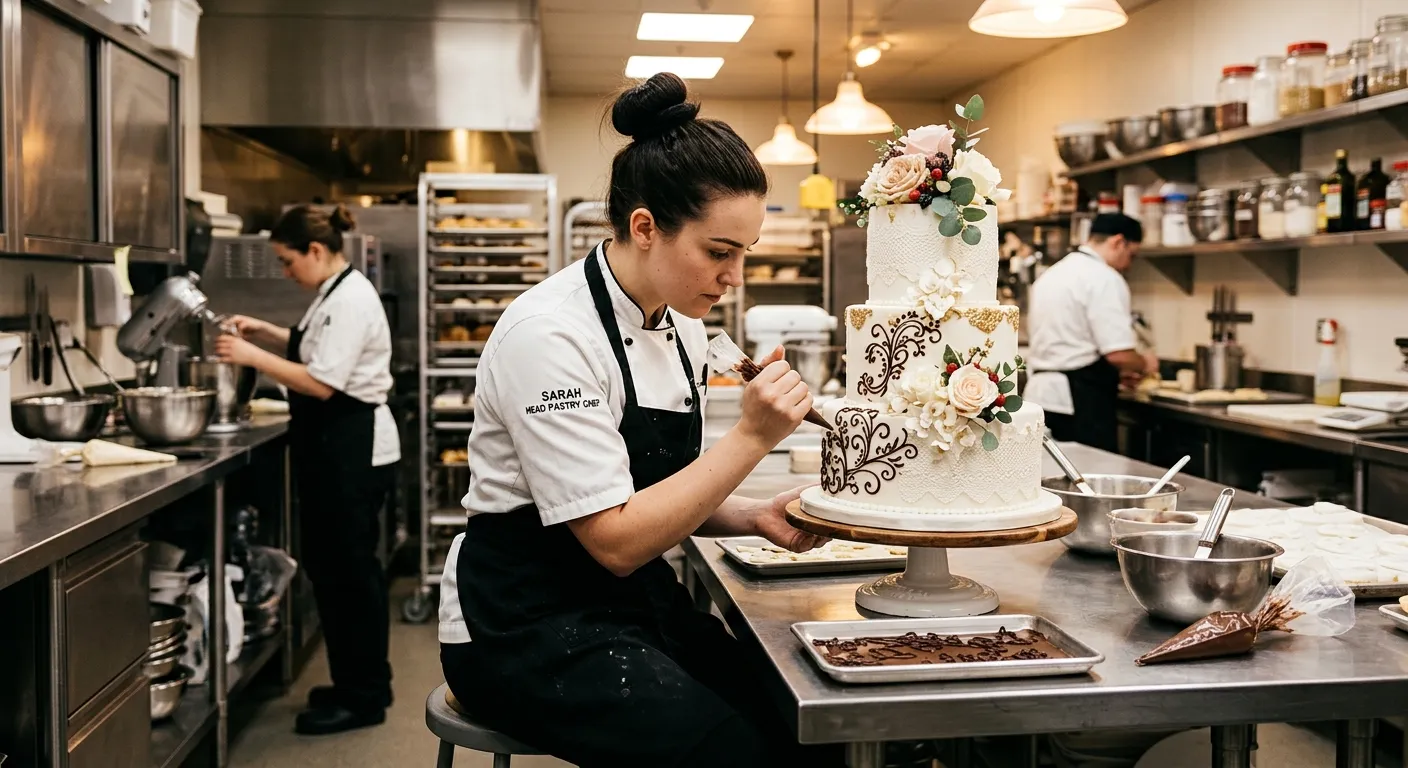
The Multi-Faceted World of a Pastry Cook: A Complete Overview
More Than Just Baking: The Essential Pastry Cook
A Pastry Cook is a culinary artist specializing in the creation of breads, pastries, desserts, and confections. Their role extends far beyond following recipes; it requires precision, creativity, time management, and a deep understanding of ingredients and techniques. In a bustling hospitality environment, they are crucial for delivering the sweet finale that defines a guest's experience.
- Technical Mastery: Proficiency in baking fundamentals (tempering chocolate, laminating dough, creating stable icings), decorating, and plating.
- Ingredient Knowledge: Expertise in working with specialty flours, sugars, chocolates, and seasonal fruits.
- Production Planning: Ability to scale recipes, manage prep lists, and work efficiently during high-pressure service periods.
- Sanitation & Safety: Rigorous adherence to food safety standards (HACCP) and kitchen hygiene.
Pro-Tip:
When assessing a candidate's skills, ask for a portfolio of their work or consider a practical stage (working interview). Look for clean technique, consistency, and attention to detail—the hallmarks of a professional.
Strategic Foodservice Recruitment for Pastry Talent
Finding the right Pastry Cook requires a targeted approach. Effective Foodservice Recruitment blends traditional methods with modern digital strategies. It's not just about filling a vacancy; it's about finding a cultural fit who can elevate your dessert menu. For many businesses, partnering with a specialized agency like our Catering Staff Agency can streamline this process significantly, providing access to pre-vetted talent pools.
Whether you're staffing for a permanent restaurant role or need urgent short-term catering jobs for a major event, your recruitment message must be compelling. Highlight opportunities for creativity, professional development, and the quality of your establishment.
From Pastry Cook to Pastry Chef: A Career Roadmap
A career in pastry offers diverse pathways. Many start as commis pastry cooks, advancing to roles like Demi Chef de Partie (Pastry), Pastry Sous Chef, and ultimately, Executive Pastry Chef or Head of Pastry Development. Others may specialize in areas like chocolate work (chocolatier), bread baking (boulanger), or wedding cake design.
Continuous learning is key. Successful pastry professionals often pursue further qualifications, attend masterclasses, and stay abreast of trends like plant-based patisserie or decorative mirror glazes. Exploring opportunities on platforms like Absolute Taste Careers can open doors to prestigious events and high-profile establishments.
Why Investing in a Skilled Pastry Cook is Essential
The impact of a talented pastry professional extends across your entire operation, affecting customer satisfaction, reputation, and profitability.
Elevates Brand & Reputation
Signature desserts and impeccable pastries become talking points, driving social media shares and repeat business. A skilled Pastry Cook creates an unforgettable culinary signature.
Drives Revenue & Profitability
High-margin dessert menus and bespoke celebration cakes directly boost average spend. Efficient production and waste reduction further enhance kitchen profitability.
Strengthens Team & Operations
A reliable pastry section alleviates pressure on other kitchen stations. Their expertise in mise en place and timing is vital for smooth service, especially during peak periods common in event catering.
Crafting the Perfect Pastry Cook Job Description & Hiring Process
Attracting the Right Candidates: Job Description Essentials
Your job posting is your first point of contact with potential talent. A vague description will attract vague candidates. Be specific about your needs and your brand's personality.
- Clear Title & Context: Use"Pastry Cook" as the core keyword, but specify if it's for a hotel, boutique bakery, or large-scale catering like premier hospitality venues.
- Detailed Responsibilities: Go beyond"preparing desserts." List tasks like"daily production of laminated viennoiserie,""maintaining the pastry section's HACCP records," or"developing seasonal dessert specials."
- Required vs. Preferred Skills: Differentiate between non-negotiables (e.g., Food Hygiene Certificate Level 2) and desirable assets (e.g., experience with sugar sculpting).
- Company Culture & Benefits: Sell the opportunity. Mention team culture, career progression paths, and any unique perks.
Sample Must-Have Skills:
- Proficient in classic French pastry techniques
- Ability to work a 6 AM start for breakfast service
- Strong time management for high-volume production
- Excellent communication within a brigade
The Interview & Assessment: Identifying True Talent
The interview process for a Pastry Cook should be as meticulous as their craft. Combine conversational interviews with practical assessments to gauge both skill and mindset.
Behavioural Questions
"Describe a time you had to adapt a recipe due to a supplier issue. What was the outcome?" or"Tell me about a high-pressure service period and how you managed your station." These questions reveal problem-solving abilities and resilience.
The Practical Stage
A short, paid working trial is industry-standard. Ask the candidate to perform a core task, like piping choux buns or preparing a fruit tart from scratch. Observe their organization, technique, cleanliness, and pace. This is far more telling than any CV. For businesses needing to fill roles urgently, understanding how to run an efficient assessment is as crucial as it is for urgent van driver jobs or other time-sensitive positions.
Onboarding & Retention: Securing Your Investment
Hiring is only the first step. Effective onboarding and ongoing engagement are critical to retaining your skilled Pastry Cook. The first 90 days set the tone for their entire tenure.
Create a structured onboarding plan that includes:
- Comprehensive Training: Introduce them to your specific recipes, plating standards, supplier list, and kitchen protocols.
- Clear Communication of Expectations: Reinforce their role within the wider team, reporting lines, and performance review schedules.
- Mentorship: Pair them with a senior member of the pastry or kitchen team for guidance.
- Pathway for Growth: Discuss potential career advancement early on. Show them how they can progress, perhaps towards a Head Chef role in the future, or into specialization.
Retention Insight:
Pastry professionals are often driven by passion and a desire to create. Foster a creative environment where they can contribute ideas to the menu. Recognize their artistry publicly—feature their creations on your social media. These non-monetary forms of recognition are powerful retention tools in the competitive Foodservice Recruitment landscape.
Pastry Cook Recruitment: Frequently Asked Questions
Expert answers to common queries about hiring and working as a Pastry Cook.
Salaries vary significantly based on experience, location, and establishment type. An entry-level Commis Pastry Cook might earn £20,000 - £24,000, while a skilled Pastry Cook (CDP level) in a London hotel or fine-dining restaurant can command £26,000 - £32,000. Senior roles like Pastry Sous Chef can reach £35,000+. Always check current market rates on reputable job boards for the most accurate figures.
A shorter, focused assessment can be effective. Ask them to bring a portfolio of photos detailing their process and finished work. Pose specific technical questions during the interview: 'Walk me through the steps for creating a stable Italian meringue buttercream.' You could also set a 90-minute timed challenge, such as preparing a simple pâte sucrée tart case and pastry cream, which tests fundamental skills. For high-volume or temporary needs, like those for seasonal event staff, partnering with an agency that pre-screens candidates is highly efficient.
The primary challenges are skill shortages and competition. The demand for highly skilled pastry talent often outstrips supply. Establishments also compete not just on salary, but on work-life balance, creative freedom, and brand prestige. The rise of specialist boutique bakeries and online cake businesses has also fragmented the talent pool. A robust Foodservice Recruitment strategy, potentially involving recruitment outsourcing, is key to overcoming these hurdles.
Absolutely. Temporary contracts are common for covering maternity leave, seasonal peaks (Christmas, summer weddings), specific events, or project-based work like menu development. This offers flexibility for both employer and employee. For reliable access to temporary pastry talent, connecting with a specialist catering recruitment agency is often the fastest solution, much like finding staff for other project-based roles such as specialized construction work.
Ready to Find Your Perfect Pastry Cook?
Stop searching and start hiring. Whether you need a permanent artisan baker, a temporary patissier for an event, or expert advice on your Foodservice Recruitment strategy, we have the tools and network to connect you with exceptional talent swiftly and efficiently.
Need talent for other roles? Explore all catering jobs or read more insights on our industry blogs.
Emerging Trends Shaping Pastry Recruitment in 2024
The pastry landscape is evolving rapidly. To attract modern talent, employers must understand and adapt to these key industry shifts.
The Rise of Specialization & Niche Expertise
Gone are the days when a generalist pastry cook could cover all bases. Today's top talent often develops deep expertise in specific areas, creating both a challenge and an opportunity for recruiters.
- Plant-Based & Allergen-Free Patisserie: With the surge in veganism and food allergies, specialists in dairy-free, egg-free, and gluten-free baking are in extremely high demand. This requires knowledge of alternative binders like aquafaba and specialty flours.
- Artisan Fermentation & Sourdough: The craft bread movement continues to grow. Candidates proficient in natural leavens, long fermentation, and heritage grain milling can command premium salaries and often seek roles in boutique bakeries.
- Decorative Arts: Expertise in specific decorative techniques—such as isomalt sculpting, painted chocolate transfers, or intricate royal icing lacework—is highly valued for high-end wedding and event catering.
When recruiting, consider if your operation needs a versatile all-rounder or a specialist. For a hotel with diverse outlets, the former may be key. For a premium wedding cake studio, the latter is essential. Tailor your food service job descriptions accordingly.
Case Study: Adapting to a Niche Trend
A high-end London restaurant group struggled to attract pastry talent for its new vegan tasting menu. Their generic job ad yielded few qualified applicants.
Solution: They rewrote the job title to"Vegan Patissier de Partie" and highlighted the creative challenge of developing a fully plant-based, fine-dining dessert portfolio. They showcased their commitment by mentioning partnerships with local organic suppliers and a budget for specialist ingredient experimentation.
Result: The ad attracted passionate specialists from niche vegan bakeries and culinary graduates focused on sustainable cuisine. They filled the role with a highly motivated candidate in three weeks, demonstrating the power of targeted, trend-aware recruitment.
Technology's Role in the Modern Pastry Kitchen
Technology is no longer confined to the front-of-house. Savvy pastry cooks and employers are leveraging digital tools to enhance creativity, precision, and efficiency.
1. Recipe Management & Scaling Software
Platforms like ChefTec or BakeScale allow for precise, consistent scaling of recipes from a single portion to banquet-sized batches. This reduces waste and ensures quality control—a critical skill for large-scale corporate catering operations.
2. Social Media as a Portfolio & Tool
Instagram and TikTok are now digital CVs. Candidates use them to showcase their work, while employers use them to scout talent and gauge a candidate's aesthetic and engagement with trends. A strong, professional social media presence can be a significant asset.
3. Advanced Equipment Literacy
Familiarity with combi ovens with precise steam injection, pacojets for ultra-smooth sorbets, and dehydrators is becoming standard. In interviews, ask about experience with specific equipment relevant to your kitchen to assess technical adaptability.
Where Pastry Cooks Thrive: A Guide to Different Work Environments
The daily reality, required skills, and career prospects for a Pastry Cook vary dramatically depending on the setting. Understanding these differences is crucial for both hiring managers and job seekers.
| Establishment Type | Typical Pace & Focus | Key Skills Required | Recruitment Consideration |
|---|---|---|---|
| Fine Dining Restaurant | High-pressure, artistic, small-batch. Focus is on intricate, avant-garde plating and seasonal ingredient innovation. | Extreme precision, creativity under pressure, advanced plating techniques, menu development collaboration. | Look for candidates with a strong portfolio of"composed desserts." Emphasize the creative opportunity in your job ad. Expect competition for top talent. |
| Hotel & Resort | High-volume, diverse, consistent. Must supply multiple outlets (restaurant, banquet, room service, lobby lounge) with a wide range of products. | Exceptional organization, ability to batch-produce, versatility (bread, breakfast pastries, desserts), strong time management. | Highlight structure, benefits, and career progression paths within a large organization. Look for experience in high-volume production. Useful for filling urgent banquet needs. |
| Artisan Bakery/Café | Early starts, production-focused, community-oriented. Emphasis on bread, viennoiserie, and classic pastries sold directly to consumers. | Mastery of fermentation, lamination, and traditional techniques. Stamina for early hours. Customer interaction skills if front-facing. | Seek candidates passionate about craft and provenance. Be transparent about early shift patterns. A practical test on croissant lamination is highly recommended. |
| Large-Scale Catering & Events | Project-based, logistical, deadline-driven. Creates identical desserts for hundreds or thousands of guests, often off-site. | Logistical planning, recipe scaling, transport stability, teamwork under tight deadlines, flexibility. | Stress the variety of projects and venues. Assess adaptability and calmness under pressure. This sector often relies on agency partnerships for fluctuating staffing needs. |
Matching a candidate's skills, temperament, and career aspirations to the right environment is the single most effective way to ensure long-term retention and job satisfaction.
Proactive Recruitment: Building a Sustainable Pastry Talent Pipeline
Reactive hiring leads to rushed decisions and compromise. The most successful kitchens build relationships with potential candidates long before a vacancy arises.
1. Engage with Culinary Schools & Apprenticeships
Formal partnerships with local culinary colleges are a goldmine for future talent. Offer guest lectures, sponsor student competitions, or provide stage (internship) opportunities.
Actionable Tip: Create a formal"Stage Programme" for final-year pastry students. A structured 3-month rotation through your pastry section gives you an extended, low-risk assessment period and often leads to offers for the most promising talent upon graduation.
What to Look for in a Student:
- Attitude over absolute skill: A keen learner with humility and a strong work ethic is often more valuable than a technically gifted but inflexible candidate.
- Fundamental understanding: Do they grasp the"why" behind techniques, not just the"how"?
2. Leverage Industry Networks & Competitions
The pastry community is tight-knit. Active participation is a powerful recruitment tool.
Judging & Mentoring
Have your Head Pastry Chef judge local or national pastry competitions. It provides unparalleled visibility among ambitious candidates and allows you to spot exceptional skill firsthand. Offering mentorship to competition finalists builds powerful goodwill and future candidate relationships.
Supplier Relationships
Your chocolate, flour, and equipment suppliers often have deep connections with talented pastry professionals. Let them know you're always interested in meeting exceptional people. They can make discreet, high-quality introductions that bypass the public job market entirely.
The Long-Term Payoff
Building a pipeline isn't a quick fix; it's a strategic investment. When a senior role does open up, you'll have a shortlist of known, pre-vetted individuals to contact immediately. This reduces time-to-hire by weeks, ensures a better cultural fit, and often results in a lower recruitment cost compared to frantic agency searches or expensive advertising campaigns. In a competitive market, this proactive approach to Foodservice Recruitment is what separates industry leaders from the rest.
This philosophy applies across the board—whether you're building a core kitchen team or ensuring you have access to reliable event staffing for peak seasons.

