Your Complete Guide to Hiring Chef Near Me: Strategies for Success
Find, Interview, and Hire Exceptional Culinary Talent for Your Kitchen
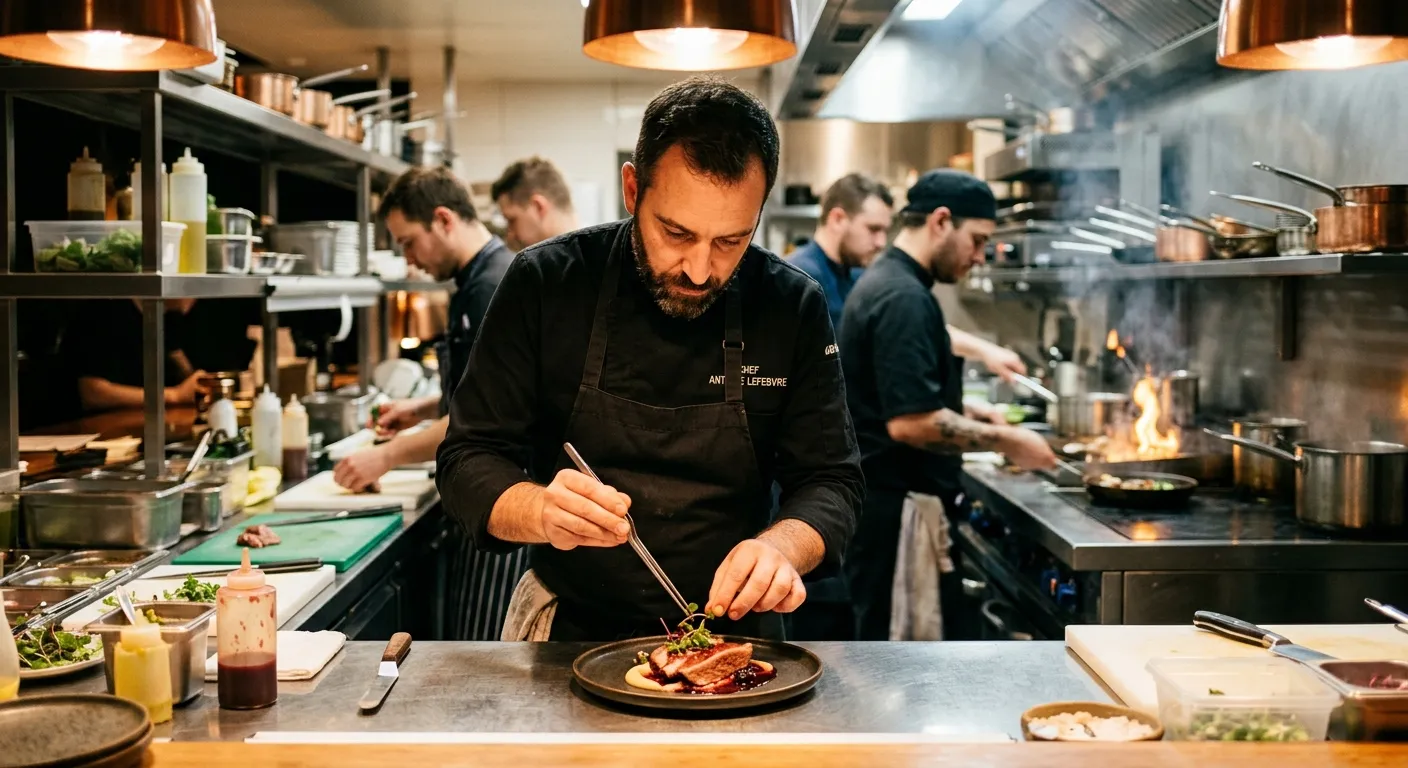
The search for “Hiring Chef Near Me” is more than a simple Google query; it’s a critical business decision that can define your restaurant’s reputation, menu innovation, and bottom line. Whether you're opening a new venue, replacing a departing head chef, or scaling your team for a busy season, finding the right culinary professional requires a strategic, informed approach. This comprehensive guide provides everything you need to know—from defining your needs and crafting compelling job descriptions to conducting effective interviews and navigating the benefits of partnering with a specialized catering staff agency.
Navigating Chef Recruitment: A Multi-Category Overview
Understanding the different chef roles and hiring pathways is your first step to a successful hire. Use the tabs below to explore.
Understanding Kitchen Hierarchy: Which Chef Do You Need?
The title “chef” encompasses a wide range of specializations and responsibilities. Hiring a Head Chef is vastly different from sourcing a specialist like a Pâtissier. Mismatching the role to your needs is a common and costly mistake.
- • Head Chef/Chef de Cuisine: The kitchen commander. Responsible for menu creation, cost control, staff management, and overall kitchen operations. Requires proven leadership and business acumen.
- • Sous Chef: The second-in-command. Manages day-to-day kitchen operations, supervises line cooks, and steps in for the Head Chef. A critical role for consistency.
- • Line Cook/Commis Chef: The backbone of service. Specializes in one station (e.g., grill, sauté, garnish). Ideal for urgent short-term catering jobs or permanent team expansion.
- • Specialist Chefs: Includes Pastry Chefs, Sauciers, Butchers. Hire these when your menu or volume demands expert skills in a specific domain.
Direct Hire vs. Agency Partnership: Choosing Your Route
You have two primary avenues for “Hiring Chef Near Me”: managing the process in-house or leveraging professional recruitment solutions.
Direct/In-House Hiring
Pros: Potentially lower direct cost, full control over the process.
Cons: Incredibly time-consuming. Requires expertise in screening, interviewing, and compliance. Risk of a bad hire is high and costly. Often leads to longer vacancy periods.
Specialized Staffing Agency
Pros: Access to pre-vetted, qualified talent pools. Dramatically reduced time-to-hire. Expertise in market salaries and contracts. Handles compliance and payroll for temporary placements. Ideal for kitchen staff recruitment in London or anywhere in the UK.
Realistic Hiring Timeline: From Search to First Service
Setting correct expectations is vital. A typical hiring process for a permanent Head Chef can take 6-12 weeks. For temporary or agency-sourced roles, it can be as fast as 24-72 hours.
- Weeks 1-2: Define role, create job description, post on job boards and your network.
- Weeks 2-4: Screen applications (50-100+ is common), conduct first-round interviews.
- Weeks 4-6: Second interviews, practical kitchen trials (“stage”), reference checks.
- Weeks 6-8: Offer negotiation, contract signing, notice period from previous job.
- Pro-Tip: For immediate needs, explore agencies specializing in event catering staff or temporary placements to bridge the gap seamlessly.
Why Investing in the Right Chef Hiring Process Pays Off
A strategic approach to hiring a chef delivers tangible benefits that impact every aspect of your business.
Menu Innovation & Consistency
A skilled chef doesn’t just cook; they innovate. They develop seasonal menus that attract customers, control food costs, and ensure every plate that leaves the kitchen meets a gold standard. This consistency builds customer loyalty and your brand’s reputation, much like the precision required for premier hospitality roles.
Cost Control & Waste Reduction
Expert chefs are procurement and inventory maestros. They build supplier relationships, design menus around seasonal, cost-effective ingredients, and implement systems that dramatically reduce waste. This directly improves your GP%, freeing up capital for other investments like marketing or staff training.
Team Leadership & Lower Turnover
A great chef is a leader who trains, motivates, and retains kitchen staff. This reduces costly turnover and creates a positive, productive kitchen culture. Low morale in the kitchen can sink a restaurant faster than bad reviews. Effective leadership is as crucial here as it is in catering general manager jobs.
Crafting the Perfect Chef Job Description & Interview Process
The Job Description: Your First Filter
A vague job ad attracts vague candidates. Your job description must be a compelling and precise document.
Pro-Tip: Keywords Are Key
Beyond “Hiring Chef Near Me,” include specific cuisine types (e.g., “Modern British,” “Authentic Neapolitan Pizza”), essential skills (“butchery,” “menu costing software”), and required certifications (Food Safety Level 3, Allergen Awareness). This helps your ad appear in targeted searches and deters unqualified applicants.
Essential components include: A captivating overview of your restaurant’s ethos; a detailed list of responsibilities (split into Kitchen Operations, Team Management, Financials); clear requirements (experience, qualifications, physical demands); and attractive benefits (salary range, tip structure, career progression).
The Interview & Practical Assessment
Resumes tell a story; interviews and practical tests reveal the truth. Structure your interview process in stages:
1. Initial Screening Call
15-20 minutes to verify basics: availability, salary expectations, right-to-work, and career motivations. Quickly filter out mismatches.
2. Formal Interview
Dive into experience, problem-solving (e.g., “How would you handle a 20% food cost increase?”), leadership style, and cultural fit.
3. Kitchen Trial (Stage)
The most critical step. Have them prepare a few dishes from your menu or their own repertoire. Assess speed, organization, cleanliness, and teamwork under pressure. Always pay for this time.
Remember, you’re not just hiring a set of skills; you’re hiring a partner for your business. Their ability to communicate, handle stress, and align with your vision is paramount. For high-volume or complex operations, consider the streamlined vetting that a reputable agency provides, similar to the assurance offered for warehouse jobs where reliability is non-negotiable.
Need to fill a role urgently? Watch our guide on fast-track recruitment:
Understanding Costs: Salary, Agencies, and The Complete Team
A transparent look at the financials behind hiring a chef and building a winning hospitality team.
Chef Salary Benchmarks & Agency Fees
Salaries vary wildly by location, cuisine, and experience. A Commis Chef in Nottingham may start at £22k, while a Head Chef in a London fine-dining establishment can command £60k+. Always research current market rates. If using an agency, fees are typically 15-25% of the hire’s first annual salary for permanent placements, or an agreed hourly markup for temporary staff. This investment buys you time, risk reduction, and access to talent you wouldn’t find alone.
Expert Insight: The Hidden Value of an Agency
“Many restaurateurs view agency fees as a cost. The savvy ones see it as an insurance policy. A bad hire can cost 2-3x their annual salary in lost productivity, training, and re-hiring. A good agency mitigates that risk entirely,” notes a veteran of recruitment outsourcing in Leeds.
Beyond the Chef: Building Your Dream Team
A superstar chef needs a supporting cast to shine. The front-of-house experience is equally vital. Partnering with a top waitress agency can provide you with professional, trained waiting staff, bartenders, and hosts who elevate the entire dining experience. This holistic approach to staffing—combining a skilled kitchen brigade with an exceptional front-of-house team—is the hallmark of successful establishments. Whether you need permanent hires or temporary staff for a peak season or a special event, integrated staffing solutions ensure seamless service. Explore our dedicated pages for hospitality roles and catering jobs to find all the talent you need under one roof.
Frequently Asked Questions: Hiring Chef Near Me
For a permanent head chef role, plan for a 6 to 12-week process, accounting for advertising, screening, interviews, trials, and notice periods. For temporary or agency-mediated roles, such as those filled for event catering staff, you can often secure a qualified professional within 24 to 72 hours. Proactive planning and relationship-building with a specialist agency can drastically reduce this timeline.
The biggest mistake is sacrificing cultural fit for technical skill. A chef with Michelin-star experience but a toxic, uncooperative attitude will destroy your kitchen morale and cause your best line cooks to quit. Always include the team in the trial process and trust their feedback. A slightly less experienced chef who is a great leader and aligns with your values will deliver better long-term results.
Absolutely, and it’s highly recommended. Many staffing agencies specialize in temp-to-perm placements. This allows you to evaluate a chef’s performance in your actual kitchen environment over a period of weeks or months before committing to a permanent contract. This model is also perfect for covering urgent short-term needs, seasonal rushes, or maternity cover. It significantly de-risks the hiring decision.
A specialized agency like a top waitress agency or culinary recruiter provides four key advantages: Speed (access to active, pre-vetted candidates), Expertise (they understand market rates and kitchen dynamics), Risk Mitigation (they handle compliance, references, and often offer replacement guarantees), and Scalability (they can provide a whole team, from chef to porters, for an event or opening). For businesses that need to focus on operations, outsourcing recruitment is a strategic efficiency, much like it is for HR recruitment in Leeds.
Ready to Hire Your Next Culinary Leader?
Stop searching and start finding. Whether you need a Head Chef tomorrow, a temporary Sous Chef for a busy season, or a complete kitchen brigade paired with a front-of-house team from a top waitress agency, we simplify the process. Post your vacancy today and connect with pre-qualified, passionate hospitality professionals.
Post Your Chef Job Now – Hire FastNeed broader hospitality staff? Explore our vast network for all jobs in the sector.
Disclaimer: This guide is for informational purposes. Salaries, regulations, and market conditions change. Always conduct your own due diligence and consider professional legal or HR advice for specific hiring decisions. For more insights, visit our resource blogs.
The True Cost of a Bad Hire & How to Avoid It
While we've discussed the investment in a good chef, the financial hemorrhage caused by a bad hire is often underestimated. Beyond the immediate salary, a mismatched chef can incur hidden costs that threaten operational stability.
Quantifying the Risk: A Breakdown
- • Lost Productivity & Rework: An underperforming chef leads to slower service, inconsistent plates, and increased waste. This directly impacts covers per night and customer satisfaction.
- • Team Turnover: A toxic or incompetent leader causes your best line cooks and sous chefs to leave. Replacing a single line cook can cost £3,000-£5,000 in recruitment and training.
- • Reputational Damage: In the age of instant reviews, a decline in food quality or a high-profile kitchen walkout can lead to a sustained drop in bookings, a cost nearly impossible to calculate.
- • Recruitment Do-Over: You must spend another 6-12 weeks and associated costs to re-run the entire hiring process.
Industry studies suggest a bad managerial hire can cost up to 2.5x their annual salary. For a £45k head chef, that's a £112,500 mistake.
Case Study: The Quick Pivot
A gastropub in Bristol hired a head chef based on an impressive CV and a single interview. Within a month, food costs soared by 8%, and two key line cooks resigned. The owner engaged a specialist recruitment agency on a temporary basis. They provided an interim chef within 48 hours to stabilize operations, then managed a proper, structured search for a permanent replacement. The cost of the agency fee was offset within a quarter by regained cost control and reduced staff churn.
"The agency's interim chef wasn't just a stopgap; they audited our processes and left a report that helped us hire better the second time."
Beyond the Restaurant: Hiring Chefs for Unique Venues & Concepts
The search for"Hiring Chef Near Me" extends beyond traditional restaurants. Each unique venue demands a specific chef skillset and temperament.
Corporate Dining & Executive Catering
Chefs in corporate settings must excel at high-volume, consistent production, often with dietary restriction expertise (vegan, gluten-free). They require strong logistical skills for catering board meetings or company events. Personality-wise, they must be client-facing and professional, interacting with office managers and staff.
Recruitment Tip: Look for candidates with experience in event catering staff environments or large-scale hospitality operations.
Private Households & Yacht Chefs
This is a realm of hyper-personalization. Chefs must design menus around principal's preferences, manage inventory in a home kitchen, and often work solo. Discretion, flexibility, and exceptional pantry management are key. A yacht chef additionally needs maritime safety certifications and the ability to cook in a moving, compact galley.
Recruitment Tip: Specialized, discreet agencies are often the best channel. Reference checks regarding confidentiality are non-negotiable.
Ghost Kitchens & Food Trucks
Here, efficiency and tech-savviness reign supreme. The chef must optimize a limited menu for delivery durability and speed, often working with packaging constraints. They need to manage high-volume orders from multiple delivery apps simultaneously. Business acumen to control costs in a low-margin model is critical.
Recruitment Tip: During the trial, simulate a rush of tickets from different sources. Assess their calmness, organization, and how the food looks after a 20-minute"delivery" hold.
Going Deeper: Advanced Interview Questions for Chef Candidates
Move beyond"What's your signature dish?" Use these scenario-based questions to probe problem-solving, financial acuity, and cultural philosophy.
On Cost Control & Creativity:
"Our prime supplier announces a 30% price hike on sea bass, a menu staple. What's your step-by-step process over the next week?"
Listen for: Immediate communication with management, research on alternative white fish (e.g., hake), designing a special to use remaining inventory, calculating new dish cost before pricing, and training the team on the change. It tests reactivity, supplier rapport, and financial transparency.
On Team Management & Conflict:
"You overhear two senior line cooks in a heated argument during prep, threatening service. How do you handle it?"
The ideal answer involves immediate, private de-escalation, focusing on service first ("Let's get through tonight"), and a commitment to a mediated conversation post-service. It separates leaders who react emotionally from those who prioritize the team and the guest experience.
On Menu Design & Philosophy:
"Walk me through how you would develop the spring menu for our concept. Where do you start, and what factors are non-negotiable?"
This reveals their creative process. Do they start with supplier availability (cost-driven), seasonal ingredients (product-driven), or culinary trends (guest-driven)? Non-negotiables should include food cost targets, kitchen skill level, and alignment with your brand identity.
Incorporating these questions transforms the interview from an interrogation into a working session, revealing how the candidate thinks. For roles requiring immediate operational impact, such as catering general manager jobs, this depth is equally crucial.

