Hire Talented Chefs Today: The Ultimate Chef Employment Agency Guide
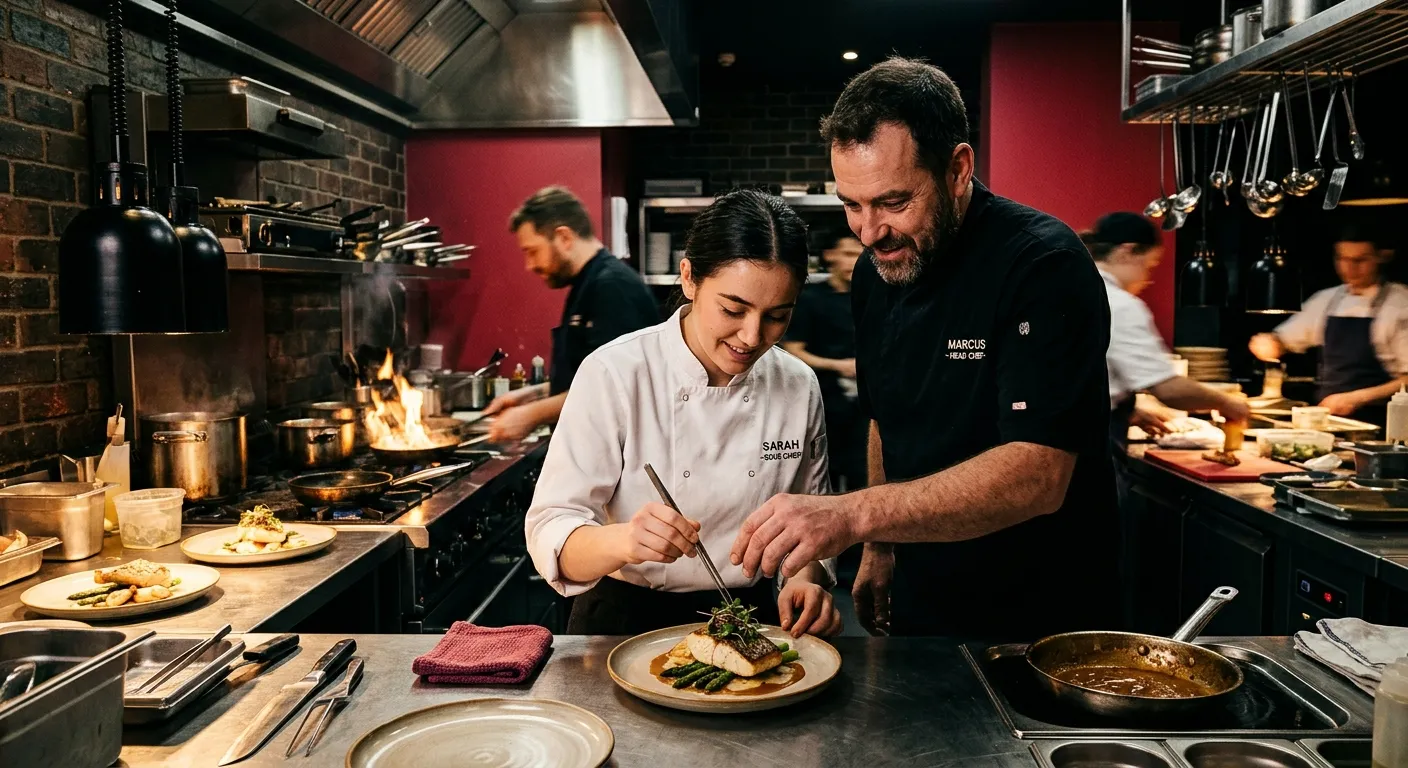
SEO Description: Hire staff today with a trusted Chef Employment Agency, offering expert Sous Chef Experience screening, rapid placements, and compliant catering recruitment for restaurants, hotels, events, and institutional kitchens.
What Is a Chef Employment Agency and Why Does It Matter?
A professional Chef Employment Agency connects kitchens with qualified culinary talent while helping chefs find roles that match their skills, experience, and career goals. Rather than posting a job and waiting for applications, employers gain access to a curated pool of chefs, sous chefs, and kitchen team members who have already been screened for competence, reliability, and compliance.
In a sector where staffing gaps can quickly affect service quality, food safety, and guest satisfaction, a specialist agency becomes a strategic partner. Whether you need permanent head chef recruitment, temporary event cover, or a sous chef with proven leadership ability, the right agency reduces risk and speeds up hiring. For candidates, it opens doors to better shifts, stronger references, and clearer progression pathways.
Modern catering recruitment is no longer just about filling vacancies. It is about matching culture, operational pressure, menu style, and compliance requirements. A trusted Chef Employment Agency helps both sides hire smarter, work safer, and perform better from day one.
Interactive Overview: Chef Hiring Categories
Use the tabs below to compare the main hiring models offered by a specialist Chef Employment Agency. Each category supports a different operational need, from long-term team building to urgent event cover.
Permanent Chef Placements
Permanent recruitment is ideal when a kitchen needs long-term stability, menu continuity, and leadership development. A Chef Employment Agency helps employers attract experienced candidates who can commit to a venue, train junior staff, and grow with the business.
Permanent hires usually involve deeper candidate assessment, reference checks, trial shifts, and cultural alignment. This is especially important for senior roles such as Head Chef positions, where the successful candidate will shape service standards, supplier relationships, and team morale.
For employers, permanent placements reduce turnover. For candidates, they offer benefits, progression, and a stronger sense of ownership over the kitchen’s success.
Temporary & Event Cover
Temporary staffing is one of the most valuable services provided by a specialist agency. It supports seasonal peaks, staff sickness, holiday cover, sudden resignations, and large-scale events where kitchen capacity must expand quickly.
A reliable Temporary Catering Staff Agency maintains a bench of pre-vetted chefs who can step into unfamiliar kitchens with minimal disruption. This is critical for venues that cannot afford to slow service or compromise food quality during busy periods.
Temporary cover also benefits chefs by offering flexible shifts across venues, faster experience accumulation, and the chance to build references in different culinary environments. For employers, it creates operational resilience without the long-term commitment of permanent hiring.
Sous Chef Experience Pathways
The sous chef role is the bridge between line cooking and senior kitchen leadership. A strong Sous Chef Experience shows that a candidate can manage sections, support the head chef, supervise service, control costs, and maintain standards under pressure.
A Chef Employment Agency helps candidates build this experience through structured placements, temporary shifts, and permanent moves into higher-responsibility roles. Employers benefit by hiring sous chefs who already understand leadership, rota planning, allergen control, and team development.
If you are searching for a Kitchen Staff Recruitment Agency In London, this pathway is especially relevant in competitive markets where experienced sous chefs are in high demand and employers need candidates who can step in confidently from day one.
Compliance & Quality Assurance
Hiring in food service carries more risk than many other sectors. Agencies must verify right-to-work status, food hygiene certifications, allergen awareness, references, and suitability for regulated environments such as healthcare, education, hospitality, and events.
A professional Chef Employment Agency does not simply send CVs. It builds a compliance-first process that protects employers, supports safe kitchens, and ensures every candidate meets operational and legal standards before starting work.
This is particularly important for large venues and contract catering operations where one non-compliant hire can create reputational, legal, and safety issues. Strong screening gives employers confidence and gives candidates better long-term employability.
Key Benefits of Using a Specialist Chef Employment Agency
Faster Kitchen Cover
Agencies reduce vacancy time by presenting pre-screened chefs quickly. This helps restaurants, hotels, and event teams maintain service levels without lengthy advertising cycles.
Better Candidate Matching
Specialist agencies understand kitchen hierarchies, menu styles, and service pressures. They match candidates not just by job title, but by operational fit and cultural alignment.
Reduced Hiring Risk
Verified references, hygiene checks, and right-to-work screening protect employers while ensuring every placement meets legal and safety expectations.
Scalable Staffing Models
From one temporary shift to a full permanent team rebuild, agencies help kitchens scale up or down according to demand, seasonality, and business cycles.
Wider Candidate Pool
Agencies maintain active networks of chefs, sous chefs, and kitchen staff who may not respond to standard job boards but are open to the right opportunity.
Stronger Career Pathways
For chefs, agency work can accelerate experience, build references, and open routes into senior roles through permanent placements and progression support.
Permanent vs Temporary Chef Hiring: Which Model Fits Your Kitchen?
The right hiring model depends on urgency, budget, team structure, and long-term operational goals. Permanent hires provide stability and continuity, while temporary cover offers flexibility and immediate relief.
When Permanent Hiring Is Best
Permanent recruitment is ideal when you need a chef who can own the menu, train staff, manage rotas, and build a consistent service culture. It works well for core roles such as head chef, sous chef, and senior chef de partie. Employers should expect a longer hiring process, but the payoff is stronger team cohesion and lower turnover.
When Temporary Cover Is Smarter
Temporary staffing is best when service cannot be delayed. Sudden absences, seasonal surges, large banquets, and holiday cover are common reasons to use a Event Catering Staff solution. Temporary chefs can maintain throughput, support senior staff, and reduce pressure on an already stretched kitchen.
Temp-to-Perm: The Balanced Approach
Many employers now use temp-to-perm strategies to reduce risk. A chef starts in a temporary role, proves reliability, and then converts to permanent if the fit is right. This gives both employer and candidate a practical trial period before making a long-term commitment.
Sous Chef Experience: Why This Level Matters for Every Kitchen
The sous chef is often the operational backbone of a professional kitchen. This role requires technical skill, emotional maturity, and the ability to lead under pressure. When a Chef Employment Agency evaluates Sous Chef Experience, it is not simply checking years on a CV. It is assessing whether the candidate can manage service flow, mentor junior staff, control costs, and step up when the head chef is unavailable.
What Employers Should Look For
A strong sous chef should demonstrate consistency, communication, and calm decision-making. Look for evidence of rota planning, supplier management, allergen control, and staff development. Experience across different kitchen styles is also valuable, especially for candidates who can adapt to new menus, service volumes, and team cultures quickly.
What Chefs Gain From Agency Placements
For chefs aiming to progress into sous chef roles, agency work can accelerate career development. Temporary placements provide exposure to different venues, service formats, and leadership expectations. This builds confidence, broadens skills, and creates stronger references for future permanent opportunities.
Red Flags to Avoid
Employers should be cautious with candidates who claim leadership experience but cannot demonstrate measurable achievements. A capable sous chef should be able to explain how they improved service efficiency, reduced waste, supported team training, or maintained standards during busy periods.
How a Chef Employment Agency Screens Candidates
Effective screening is the difference between a good hire and a costly mistake. A reputable agency uses a structured process that evaluates skills, reliability, compliance, and cultural fit. This protects employers and ensures candidates are placed into roles where they can succeed.
- CV and experience review: Checks role history, venue types, menu experience, and progression patterns.
- Reference verification: Confirms performance, reliability, and teamwork with previous employers.
- Compliance checks: Includes right-to-work, food hygiene certification, and allergen awareness.
- Trial shifts: Allows employers to assess practical ability, speed, and kitchen presence.
- Cultural fit assessment: Ensures the candidate aligns with the venue’s service style and team values.
Pro Tip
Ask your agency for a shortlist that includes more than just job titles. A strong profile should show measurable experience, such as covers managed, cost reductions, staff trained, or service recovery examples.
The Hiring Journey: From Brief to Day One
A structured hiring journey reduces uncertainty and improves placement quality. The process usually begins with a detailed operational brief, followed by candidate sourcing, shortlisting, interviews, and onboarding support.
- Role brief: Define the kitchen model, service volume, menu style, rota needs, and cultural expectations.
- Candidate sourcing: The agency identifies suitable chefs from its active database and wider network.
- Shortlisting: Employers review profiles with notes on strengths, experience gaps, and compliance status.
- Interview and trial: Practical assessment confirms competence and team fit.
- Offer and onboarding: Contracts, inductions, and compliance documentation are completed before the start date.
Cost, Speed, and Return on Investment
Many employers hesitate to use an agency because they focus only on fees. In reality, the true cost of a bad hire is far higher. Poor kitchen staffing can lead to service delays, increased waste, staff turnover, and reputational damage.
A specialist Chef Employment Agency improves return on investment by reducing vacancy time, improving candidate quality, and supporting compliance. Faster placement means better revenue protection, while stronger hires reduce the cost of retraining and replacement.
Common Mistakes Employers Make When Hiring Chefs
Hiring mistakes often happen when employers rush or rely on incomplete information. The most common errors include posting vague job descriptions, ignoring cultural fit, skipping references, and hiring only for immediate cover without considering long-term impact.
Another frequent mistake is focusing on job title rather than capability. A sous chef with strong leadership experience may be more valuable than a candidate with a longer CV but weaker team control. A good agency helps employers look beyond the headline and assess practical kitchen readiness.
FAQ: Chef Employment Agency Questions Answered
Job boards can generate applications, but they rarely guarantee quality, speed, or compliance. A Chef Employment Agency adds value through screening, shortlisting, reference checks, and ongoing support, which reduces hiring risk and saves time.
Yes. One of the biggest advantages of using an agency is rapid access to pre-vetted chefs. This is especially useful for same-day cover, seasonal peaks, events, and unexpected staff absence.
Sous Chef Experience shows a candidate can operate beyond cooking tasks. It includes leadership, service control, rota planning, cost awareness, and staff development. This makes the role critical for kitchens that need dependable operational strength.
No. Temporary cover is useful during peak periods, but it also supports sickness absence, holiday cover, probationary hires, and workforce planning. Many kitchens use it as part of a flexible staffing strategy throughout the year.
Be specific about service style, volume, rota patterns, compliance needs, and cultural expectations. A clear brief helps the agency identify candidates who can perform immediately rather than simply filling a vacancy.
Yes. A strong agency operates as a two-way recruitment partner. Employers gain access to reliable talent, while chefs gain better role matching, flexible opportunities, and clearer progression pathways.
Final Thoughts: Build a Better Kitchen Team Today
A high-performing kitchen depends on more than recipes and equipment. It depends on people who can work together under pressure, maintain standards, and deliver consistently. A trusted Chef Employment Agency gives employers a faster, safer, and more strategic route to building that team.
Whether you need permanent leadership, temporary event support, or a sous chef with proven operational strength, specialist recruitment helps you hire with confidence and reduce risk at every stage.
Hire Staff Today Through a Trusted Chef Employment Agency
Access pre-screened chefs, sous chefs, and kitchen teams who are ready to work. From permanent placements to urgent event cover, specialist recruitment helps you build a stronger, more resilient kitchen operation.
Hire Staff Today
