
Your Search for the Perfect Kebab Chef Wanted Ends Here
Finding a skilled, reliable kebab chef can be the difference between a thriving restaurant and a struggling kitchen. Our specialized recruitment connects you with passionate culinary professionals ready to elevate your menu and customer experience.
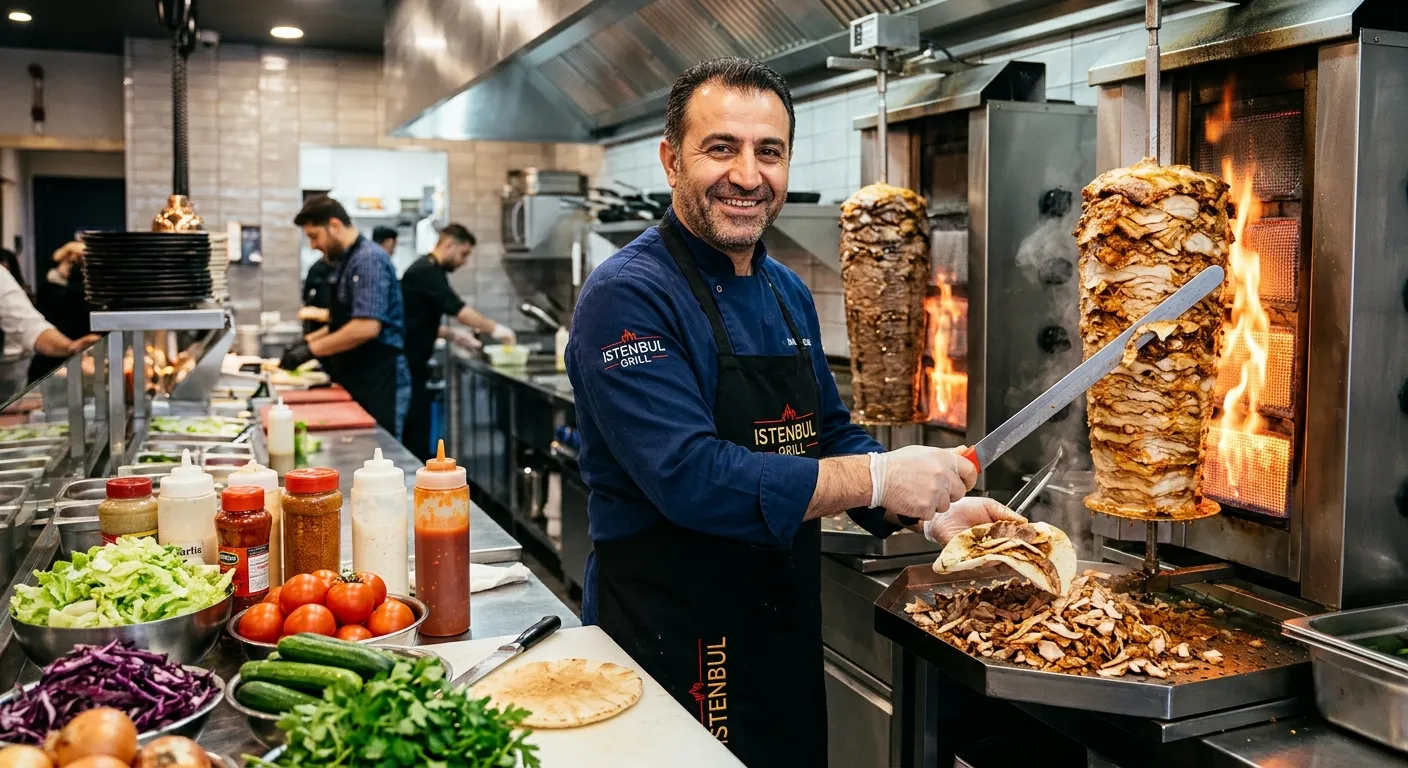
Comprehensive Hiring Solutions for Your Kebab Kitchen
Whether you need a permanent master chef or temporary cover for a busy season, explore the different hiring pathways tailored for the unique demands of kebab cuisine.
Securing Your Culinary Cornerstone
A permanent kebab chef is more than an employee; they are the heart of your kitchen. They build consistency, develop signature recipes, and train junior staff. Our vetting process for permanent roles goes beyond checking CVs. We assess knife skills, knowledge of meat preparation (especially halal requirements if needed), spice blending expertise, and, crucially, speed and hygiene during peak service. We look for chefs who understand the full"garnish-to-grill" process, from marinating meats for hours to perfectly assembling the final doner or shish kebab wrap. This thorough approach is similar to how we source talent for Head Chef roles in fine dining, ensuring a cultural and skill-based fit for your long-term success.
Pro Tip:
When hiring permanently, consider a probationary period that includes a"service test" – have the candidate work a Friday night dinner rush. Their performance under pressure is the ultimate indicator of suitability.
Flexible Cover for Peak Demand
Festivals, summer holidays, and major sporting events can cause sudden surges in demand for kebab shops. Temporary staffing provides agile solutions without long-term commitment. Our network of pre-vetted temporary chefs can be deployed within hours, much like the system used for Urgent Short Term Catering Jobs. These professionals are adept at slotting into established kitchens, following existing recipes and systems seamlessly. They are the ideal solution for covering staff sickness, annual leave, or testing a new location's demand before hiring a full-time team. For a deeper understanding of this flexible model, explore our Guide to Temporary Agency Work in Catering & Hospitality.
Why Partner with a Specialist Agency?
Managing recruitment internally consumes valuable time you could spend on operations and growth. A specialist Catering Staff Agency handles advertising, screening, initial interviews, reference checks, and payroll administration. We have a vast, active talent pool specifically for hospitality roles, meaning we can often present suitable candidates within days, not weeks. This is particularly effective for niche roles like kebab chefs, where generic job boards yield poor results. Our expertise mirrors the focused approach seen in Kitchen Staff Recruitment Agency in London services, but applied nationwide across the kebab and grill sector.
Benefits of Finding Your Kebab Chef Through Us
We streamline the complex process of hospitality recruitment, delivering tangible advantages to your business.
Speed & Urgency
We understand a vacant chef station means lost revenue. Our proactive candidate network and streamlined processes allow for rapid placement, often within 72 hours for urgent roles. This on-demand efficiency is crucial, similar to filling Urgent Van Driver Jobs where timing is everything.
Vetted & Verified Talent
Every candidate undergoes rigorous checks: right-to-work verification, reference validation, and often a practical skills assessment. We ensure their experience with specific equipment (rotisserie grills, vertical broilers) and knowledge of health & safety protocols is up to standard, giving you peace of mind from day one.
Cost-Effective Solution
Avoid the hidden costs of DIY recruitment: wasted management hours, expensive job board ads, and the risk of a bad hire. Our fixed-fee or temporary staffing models convert recruitment from a capital-intensive headache into a predictable operational expense. This strategic outsourcing is as valuable for a kebab shop as Recruitment Outsourcing in Leeds is for larger corporations.
Sector-Specific Expertise
We speak the language of kitchens. Our consultants have hospitality backgrounds, so they understand brigade structures, the pressure of service, and the specific skills a kebab chef needs. This specialized focus ensures better candidate matches than generalist agencies.
Flexibility & Scalability
Start with one temporary chef for a weekend trial, then scale to a permanent hire or a full team. Our model adapts to your business cycle, providing extra hands for a new shop launch or a major event, offering the same scalable reliability as Event Catering Staff solutions.
Compliance & Payroll Handled
We manage all the complex administrative burdens: contracts, PAYE, National Insurance, and pension contributions for temporary workers. This frees you from legal risks and paperwork, allowing you to focus entirely on running your restaurant and managing your new chef.
Crafting the Perfect"Kebab Chef Wanted" Job Description
Attracting the right candidate starts with a clear, compelling job advert. Here’s how to structure your requirements.
Essential Skills & Qualifications
Beyond a passion for food, a competent kebab chef must possess a concrete skill set. Your job description should explicitly list:
- Expert Meat Preparation: Proficiency in butchering, trimming, marinating (with traditional spice mixes), and stacking meat on the rotisserie spit (doner) or skewers (shish).
- Grill Mastery: Ability to control vertical and horizontal grills, achieving consistent cooking and perfect char without drying out the meat.
- Speed & Efficiency: Capability to maintain high output during relentless peak periods, often preparing dozens of wraps per hour.
- Food Safety Level 2 Certification: Non-negotiable for handling raw and cooked meats in close proximity.
- Teamwork: The kitchen brigade runs smoothly only with coordination, especially if you also need to hire a Waitress Employment Agency for front-of-house synergy.
Experience & Cultural Fit
Specify the type of experience you value. Is it years in a fast-paced takeaway, a high-end Turkish grill restaurant, or a street food stall? Mention if knowledge of halal practices is required. Describe your kitchen culture—is it a quiet, focused environment or a loud, energetic one? A candidate who thrives in a festival pop-up might not suit a small high-street shop, just as staffing needs differ between a Warehouse and a boutique hotel.
Salary & Benefits Transparency
Always include a salary range or hourly rate. Top talent often skips ads without this information. Highlight unique benefits: staff meals, flexible hours, bonus schemes based on sales or efficiency, or opportunities for progression to Head Chef. Competitive packages attract the best candidates in a tight market.
From"Kebab Chef Wanted" to Kitchen-Ready: The Hiring Journey
Initial Consultation & Job Briefing
We start by understanding your precise needs: menu specifics, kitchen size, team structure, and the"must-have" vs."nice-to-have" skills. This deep dive ensures we target the right talent pool from the outset.
Active Sourcing & Candidate Screening
Our team activates multiple channels: our proprietary database, targeted advertising, and direct headhunting within the hospitality network. Each candidate is phone-interviewed and their credentials are verified, mirroring the rigorous checks used for Counter Terrorist Cleared roles in terms of thoroughness.
Shortlisting & Practical Assessment
You receive a curated shortlist of 3-5 exceptional profiles. We can arrange practical trials or staged interviews. For permanent roles, a paid trial shift is highly recommended to see the chef in action under real conditions.
Offer, Onboarding & Support
Once you select your candidate, we manage the formal offer, contract signing, and smooth onboarding. Our support continues post-placement with follow-ups to ensure both you and the chef are satisfied, completing a seamless hiring cycle.
Frequently Asked Questions: Hiring a Kebab Chef
Get quick answers to the most common questions about the recruitment process.
The timeline varies based on role specificity and urgency. For a standard permanent position, we aim to present a first shortlist within 5-7 working days. For urgent temporary cover, we can often place a suitable chef within 24-48 hours, leveraging our ready-to-work pool. This speed is comparable to our service for last-minute needs like Winter Wonderland Staff Jobs.
Salaries vary by location, experience, and establishment type. As of 2024, a commis or junior kebab chef might earn £10-£13 per hour. An experienced chef de partie or head kebab chef can command £13-£18 per hour, with higher rates in London and other major cities. We provide detailed, up-to-date market guidance during our consultation to help you set a competitive rate.
Absolutely. We provide holistic Catering Recruitment solutions. Whether you're opening a new restaurant and need a head chef, line cooks, and porters, or simply need to bolster your existing team, we can manage the entire recruitment campaign. This full-service approach is similar to our capabilities in other sectors, such as assembling teams for large-scale Premier Hospitality Jobs in Wolverhampton.
We stand by the quality of our candidates. For permanent placements, we typically offer a 12-week replacement guarantee. If the candidate leaves or is dismissed for performance reasons within this period, we will find a replacement at no extra fee. This guarantee underscores our confidence in our vetting process and commitment to your long-term satisfaction.
Ready to Find Your Ideal Kebab Chef?
Stop sifting through unqualified applications. Let our expertise connect you with the skilled, reliable culinary professional your kitchen deserves.
Join thousands of successful restaurants, takeaways, and caterers who have found their perfect match through our dedicated service. Your next star chef is waiting.
Real Kebab Chef Hiring Stories That Show What Works
Job adverts explain what you need, but real placements show how the right hire changes a kitchen. These anonymised examples highlight the practical impact of matching the correct chef to the correct environment.
Manchester Takeaway: From 38-Minute Waits to 14-Minute Service
A busy late-night takeaway was losing repeat customers because orders were coming out too slowly. The owner had tried posting a generic “chef wanted” advert but received applicants with café experience rather than grill-speed training. After a focused search for an experienced kebab chef, they hired a candidate who had worked in a high-volume Turkish grill house for four years. The new chef reorganised the prep station, pre-portioned marinated meat for peak hours, and introduced a two-person wrap assembly rhythm. Within two weeks, average service times dropped from 38 minutes to 14 minutes, and delivery complaints fell sharply. The key was not simply finding “a chef,” but finding one trained to keep quality consistent when the queue is long.
London Restaurant: Reducing Turnover by Hiring for Consistency
A sit-down Mediterranean restaurant in East London struggled with frequent chef changes. Each new chef altered spice levels, doner thickness, and sauce recipes, confusing customers and frustrating the front-of-house team. The owner approached us for a permanent placement and explained that consistency mattered more than novelty. We prioritised candidates with stable work histories, strong communication skills, and experience following house recipes rather than rewriting them. The successful chef arrived with a calm, methodical approach, trained two junior grill cooks, and created a simple “signature recipe sheet” for the kitchen. Over the next six months, customer reviews began mentioning reliable flavour again, and staff turnover dropped because the kitchen culture became predictable.
Festival Caterer: Scaling from One Chef to Six for Summer Events
A street food caterer had secured a major summer festival contract but only employed one experienced grill chef. The challenge was scaling safely without sacrificing food quality. We arranged a temporary staffing plan that included one lead chef, two experienced kebab chefs, and three kitchen assistants. The lead chef handled marination, rotisserie setup, and quality control, while the temporary chefs managed high-volume service. The assistants handled packaging, garnish prep, and cleaning. This layered structure allowed the team to serve hundreds of customers daily while maintaining hygiene and speed. The caterer went on to retain two of the temporary chefs permanently because they had already proven their reliability under pressure.
Regional Kebab Chef Hiring Insights Across the UK
Recruitment is never one-size-fits-all. The best way to attract a skilled chef depends on where your business operates, how local customers behave, and what kind of kitchen culture the area supports.
London: High Volume, High Competition
London has one of the deepest pools of kebab and grill chefs, but it also has the most competition for talent. Candidates often consider commute time, shift patterns, and whether the kitchen has a reputation for fairness. In this market, a clear pay structure and reliable rota can be as persuasive as a slightly higher salary. London employers should also expect candidates to ask about transport links, meal provisions, and whether the kitchen is halal, Turkish, Mediterranean, or mixed-style. A generic advert may attract many applicants, but a detailed “Kebab Chef Wanted” listing with shift clarity and kitchen culture will attract better candidates.
Midlands: Balanced Market with Strong Hospitality Heritage
Cities such as Birmingham, Coventry, Leicester, and Nottingham often have experienced chefs who value long-term stability. Here, employers benefit from highlighting progression, team morale, and consistent hours. The Midlands can be an excellent place to build a permanent team, particularly if your restaurant or takeaway has a loyal customer base and a clear kitchen identity. Candidates in this region may respond well to family-friendly shift options and a business that shows respect for experienced chefs.
Northern England: Community Reputation Matters
In Manchester, Leeds, Sheffield, Liverpool, and surrounding towns, word of mouth can influence recruitment faster than online adverts. A chef may turn down a job if they have heard the kitchen is chaotic or the owner is difficult to work with. Employers should focus on presenting a calm, respectful kitchen environment and a clear role description. Northern candidates often appreciate direct communication and practical honesty about workload, especially if the business relies on late-night trade or weekend surges.
Coastal and Tourist Areas: Seasonal Planning Is Essential
Businesses in seaside towns, holiday parks, and tourist-heavy locations often face intense seasonal demand. A chef who performs well in winter may be overwhelmed in summer, while a temporary hire may be the smarter option for peak months. Employers in these areas should plan recruitment early, ideally before the tourist season begins. Clear expectations around weekend work, longer shifts, and event-based demand help reduce misunderstandings after hiring.
Rural Locations: Flexibility and Relocation Support Can Help
Village pubs, farm shops, and rural takeaways may have fewer local candidates, so employers need to think beyond the immediate postcode. Offering flexible shifts, transport support, or help with relocation can widen the talent pool. In rural areas, candidates often value a quieter work environment, a close-knit team, and the chance to play a central role in the kitchen’s daily operation.
Interview Questions That Reveal a Great Kebab Chef
CVs show experience, but interviews reveal thinking, problem-solving, and kitchen temperament. When hiring a kebab chef, ask questions that test both technical ability and service mindset.
Technical Questions
- “How do you prepare a doner meat stack so it cooks evenly without drying out?” Look for answers about marination, layering, fat distribution, rotation, and temperature control.
- “What do you do if the grill temperature drops during a rush?” A strong candidate will mention adjusting stacking order, monitoring core temperature, using backup heat, and prioritising food safety over speed.
- “How do you keep shish kebab pieces juicy on a skewer?” Expect discussion of cutting size, marinade balance, resting meat, and avoiding overcrowding.
- “Which sauces or garnishes do you think are essential for a classic kebab wrap?” This reveals whether the chef understands customer expectations and flavour balance.
Operational Questions
- “Tell me about your busiest service. What was your role, and how did you keep the line moving?” The best answers include specific actions, not vague claims.
- “How do you handle a colleague who is slowing down the kitchen?” This tests teamwork, communication, and whether the chef can stay calm under pressure.
- “What would you do if a customer complained that their kebab was undercooked?” Look for food safety awareness, empathy, and a willingness to remake the dish quickly.
- “How do you manage stock rotation and reduce waste without compromising quality?” A reliable chef should understand first-in-first-out, prep planning, and storage discipline.
Cultural Fit Questions
- “What kind of kitchen environment brings out your best work?” This helps you compare their preference with your actual culture.
- “How do you train a new junior chef without disrupting service?” Good chefs explain step-by-step teaching, patience, and clear standards.
- “What are you looking for in your next role?” This reveals whether they want stability, progression, better pay, or a less stressful kitchen.
- “Have you ever disagreed with a head chef or owner? How did you handle it?” You are looking for professionalism, not conflict avoidance.
Practical Trial Checklist
If possible, arrange a paid trial shift during a real service period. Observe how the candidate sets up their station, handles raw meat, communicates with the team, and maintains cleanliness while speed increases. A strong practical trial should include preparing a doner or shish order, assembling wraps, managing garnish, and responding to a simulated peak-hour rush.
A 30-60-90 Day Onboarding Plan for Your New Kebab Chef
Hiring does not end when the chef accepts the job. A structured onboarding plan protects your investment, speeds up productivity, and helps the new chef feel confident from day one.
First 30 Days: Learn the Kitchen
During the first month, the chef should understand your menu, equipment, portion sizes, hygiene rules, and team rhythm. Provide a written recipe sheet, a list of suppliers, and a clear rota. Schedule short daily check-ins to answer questions early. This phase is about building confidence, not testing perfection. Encourage the chef to shadow senior staff, learn your signature flavours, and understand customer expectations.
- Introduce kitchen layout and safety rules.
- Review marination, stacking, and cooking times.
- Observe peak service without pressure.
- Confirm halal or dietary requirements if relevant.
Next 30 Days: Build Consistency
By day 60, the chef should be able to run the grill station independently during normal service. Focus on consistency, speed, and teamwork. Ask for feedback on prep routines, stock levels, and workflow bottlenecks. This is the stage where small improvements can have a big impact on service times and customer satisfaction. Regular feedback helps the chef understand what “good” looks like in your kitchen.
- Monitor wrap assembly accuracy.
- Review waste, portioning, and stock rotation.
- Assess communication with front-of-house.
- Set simple performance targets.
Final 30 Days: Own the Station
By day 90, the chef should be a reliable part of the kitchen. If the role includes training, start giving them responsibility for junior staff or prep planning. This is also the time to discuss longer-term goals, such as menu development, promotion opportunities, or additional responsibilities. A chef who feels valued at this stage is more likely to stay and contribute beyond daily service.
- Review service performance and customer feedback.
- Discuss recipe improvements carefully.
- Plan training or progression goals.
- Confirm role expectations for the next six months.
Retention Strategies That Keep Your Kebab Chef Happy and Productive
Finding a great chef is only half the battle. Keeping them requires clear communication, respect, and a kitchen culture that makes them want to stay.
Predictable Rotas
Hospitality staff often leave because of last-minute schedule changes, not just pay. A stable rota helps chefs plan their lives, reduce stress, and stay focused during service.
Clear Kitchen Standards
Chefs appreciate knowing exactly what good looks like. Written recipes, portion guides, and hygiene expectations reduce confusion and make training easier.
Respectful Communication
Kitchens can be intense, but shouting and blame culture drive talent away. Calm, direct feedback builds trust and encourages chefs to improve without fear.
Progression Opportunities
Offer paths to senior chef, grill lead, head chef, or menu development roles. Even small progression steps can make a chef feel invested in the business.
Staff Meals and Breaks
A chef working through long shifts without proper breaks or decent meals will burn out. Simple provisions show that the business values the team behind the food.
Recognition and Feedback
Acknowledge strong service, clean stations, low waste, and positive customer comments. Recognition does not always require money; it requires attention and respect.
Common Red Flags When Hiring a Kebab Chef
Some issues are minor, but others signal that a candidate may create more problems than they solve. Watch for these warning signs before making an offer.
No Understanding of Food Safety
A chef who dismisses temperature checks, cross-contamination, or cleaning routines is a serious risk. Kebab kitchens handle raw meat, cooked meat, sauces, and garnishes in close proximity. Safety cannot be improvised.
Poor Communication During the Interview
If a candidate cannot explain their role in a previous kitchen, they may struggle to communicate during service. Clear speech, listening skills, and calm responses are essential in a busy grill station.
Blames Everyone Else for Past Problems
Every kitchen has challenges, but a healthy candidate can discuss difficulties professionally. Constant blame suggests the chef may create conflict rather than solve it.
Unwilling to Follow Your Recipes
Creativity is valuable, but a new hire should first respect your existing system. If they insist on changing everything immediately, they may undermine consistency and team trust.
No Interest in Practical Trials
A confident chef usually has no problem demonstrating ability. Resistance to a trial shift can indicate overconfidence, lack of experience, or unwillingness to adapt to your kitchen.
Disregard for Cleanliness
A messy station, unclean knives, or poor personal hygiene during a trial is a major warning sign. Kebab chefs work with high-traffic equipment and ready-to-eat food; cleanliness is part of the skill.