
Food Production Agency: Hire Skilled Production, Catering, and Event Staff Through the Best Catering Staff Agency London
Whether you are scaling a commercial kitchen, supplying event catering staff, or recruiting temporary production operatives, the right Food Production Agency can reduce hiring risk, improve service quality, and keep operations running smoothly. This guide explains how employers can hire staff today, choose the Best Catering Staff Agency London, and build a flexible workforce that meets compliance, speed, and budget expectations.
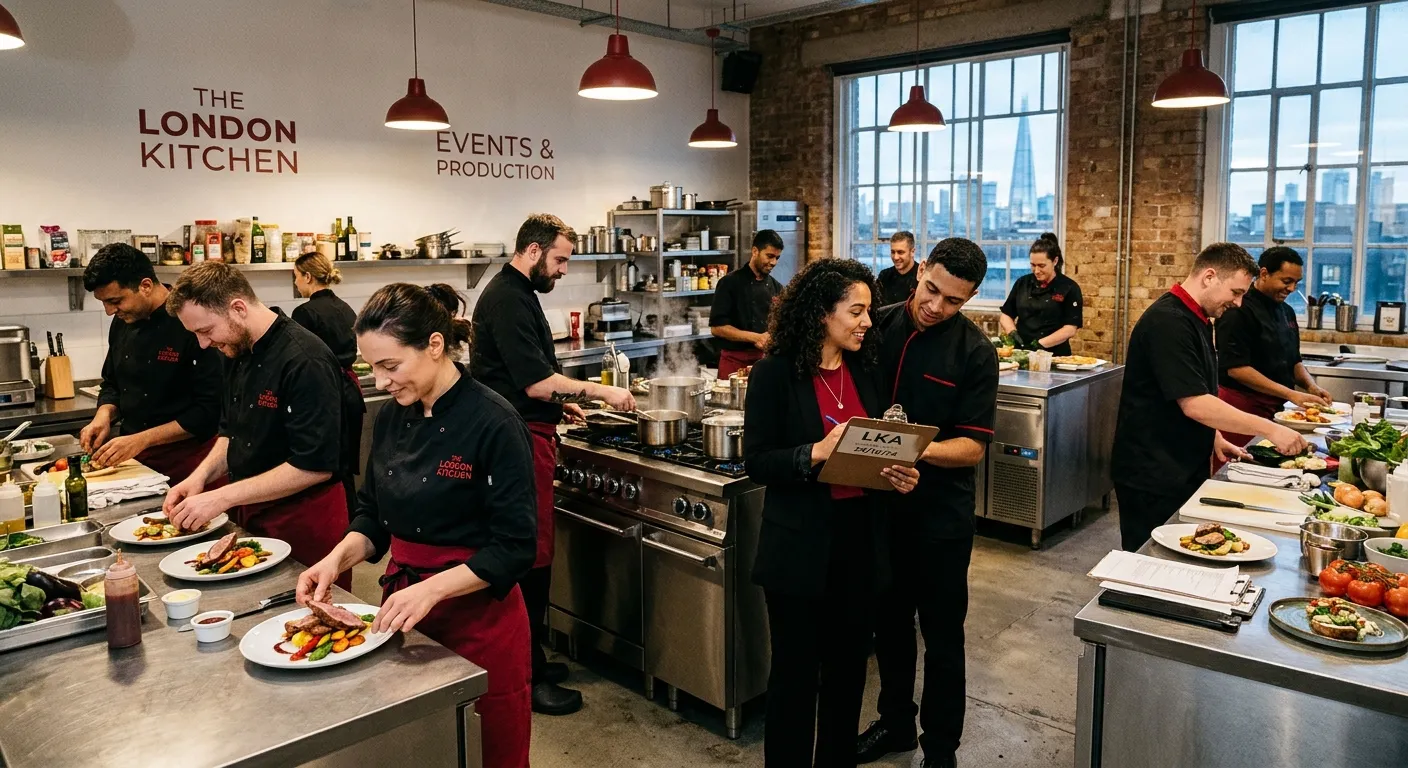
About Our Food Production Agency
Our agency specialises in connecting food, catering, hospitality, and production employers with dependable workers across the UK. We support restaurants, hotels, contract caterers, event companies, stadiums, schools, care homes, factories, warehouses, and corporate venues. The focus is practical: when a kitchen is short-staffed, when an event needs additional service staff, or when a production line cannot afford downtime, we help you hire staff fast without sacrificing quality. For venues needing a Catering Staff Agency, this model matters.
Every placement begins with a clear brief. We ask what role you need, how long it will last, what standards are required, and what risks are involved. That information shapes the shortlist. A candidate who can work in a busy London kitchen may not be right for a quiet care home service, and someone suited to event catering may need extra briefing before joining a regulated production environment.
We also help employers think beyond the immediate shift. Many businesses use agency cover during peaks, then convert strong performers into permanent hires. This reduces recruitment risk and gives workers a clear route into stable employment. If you want a workforce that is flexible, compliant, and ready to perform, partnering with a specialist agency is a practical way to build it.
Multi-Category Overview: What Staff Does a Food Production Agency Provide?
Use the tabs below to explore the main categories of workforce support offered by a Food Production Agency.
Production Staff
Production operatives are essential in food factories, central kitchens, meal preparation facilities, and distribution hubs. They follow hygiene standards, operate equipment, portion meals, pack orders, label products, and maintain clean work areas. An agency can supply experienced operatives for short shifts, seasonal peaks, or ongoing production requirements. For employers, this flexibility helps avoid overtime costs while keeping output consistent.
Kitchen Staff
Kitchen staff include chefs, commis chefs, kitchen porters, prep cooks, and caterers. They support menu execution, food safety, stock rotation, and service speed. When hiring through a Kitchen Staff Recruitment Agency In London, employers can access candidates with relevant qualifications, allergen knowledge, and experience in high-volume environments. This is especially useful when a head chef is absent, a new contract starts, or demand spikes unexpectedly.
Event Catering Staff
Event catering staff are used to fast-changing environments, large guest numbers, and high service expectations. They may work at conferences, weddings, sports venues, corporate dinners, exhibitions, and festivals. A skilled Event Catering Staff team can handle bar service, waiting, food running, setup, breakdown, and guest interaction. Agencies help you scale a team quickly while maintaining a professional guest experience.
Warehouse & Logistics
Food production is not only cooking. It also depends on warehouse operatives, pickers, packers, and drivers moving ingredients, packaged meals, and equipment. Temporary Catering Staff Agency services often include logistics cover for busy supply periods, holiday events, and production line changes. Reliable warehouse staff reduce errors, protect stock, and help kitchens receive ingredients on time.
Key Benefits of Hiring Through a Food Production Agency
Vetted Workforce
Every candidate is screened for identity, right to work, availability, and relevant experience. For food roles, we also check hygiene awareness, allergen knowledge, and reliability. This reduces the chance of last-minute cancellations and helps supervisors trust new workers on day one.
Flexible Hiring
You can hire for one shift, one week, one event, or a recurring contract. This flexibility is useful during seasonal demand, staff sickness, sudden contract wins, or production surges. Instead of over-hiring, you scale up or down as operations require.
Faster Time to Shift
A specialist agency can often fill urgent roles quickly because it maintains a live pool of workers. For employers needing immediate cover, this can prevent service disruption, missed deliveries, and poor guest experiences.
Compliance Support
Food and catering roles involve safety obligations. We help employers understand right-to-work checks, training records, uniform requirements, and site-specific rules. This supports safer workplaces and clearer expectations for agency workers.
Cost Control
Agency staffing can reduce recruitment advertising, interview time, and bad hire costs. Temporary cover also helps control overtime by matching labour supply to real demand. The result is a more predictable workforce budget.
Talent Pipeline
Temporary placements are a practical way to evaluate workers before making permanent offers. A strong agency relationship can also help with succession planning, seasonal recruitment, and specialist roles such as head chef or catering manager.
Pro Tip
Before you hire staff today, compare agencies by asking about screening depth, response time, and London local knowledge. A strong Food Production Agency will not just send names; it will explain why each candidate fits the role.
Who Needs a Food Production Agency?
Many organisations benefit from specialist food staffing support. Hotels and restaurants use agencies to cover holidays, sickness, and peak service. Contract caterers use agencies to deliver consistent service across multiple sites. Event companies need large teams that can mobilise quickly and adapt to different venues. Schools, universities, hospitals, and care homes require staff who understand food safety, dietary requirements, and vulnerable customer needs. Manufacturers and central kitchens need production operatives who can maintain quality while meeting volume targets.
Even businesses with strong permanent teams need backup. A Food Production Agency helps when a supplier delivery fails, a key member of staff resigns, or a new location opens. By having a trusted partner, you reduce panic hiring and improve the chances of placing the right person into the right role.
Examples of urgent scenarios include a banquet starting in 48 hours, a production line missing a shift due to illness, or a school kitchen requiring a new cook after a resignation. In each case, speed matters, but so does suitability. A rushed hire can create hygiene risks, customer complaints, or supervisory pressure. An agency reduces that risk by providing candidates who are already registered, trained, and available.
How a Food Production Agency Fills Roles
The best staffing process is structured, transparent, and repeatable. Whether you need one kitchen porter or a full event team, a professional agency follows a clear workflow.
-
Brief and role definition
We confirm the job title, shift pattern, location, pay, required experience, and site rules. A clear brief prevents mismatched expectations.
-
Sourcing and screening
Candidates are matched based on availability, travel time, skills, and recent work history. We check right to work and relevant qualifications.
-
Interview and reference
For senior or specialist roles, we may conduct brief interviews or request references. For urgent shifts, we use verified profiles and performance history.
-
Placement and onboarding
The worker receives details about the site, dress code, allergen requirements, and supervisor expectations. Onboarding notes help them perform confidently on day one.
-
Feedback and improvement
We review attendance, quality, and client satisfaction. Positive feedback is recorded, and issues are addressed quickly to improve future placements.
This process matters because food staffing is operational, not just administrative. A worker who does not understand allergen separation, manual handling, or customer service can create problems beyond a single shift. A structured agency approach protects your brand and your team.
Compliance, Hygiene, and Safety in Food Production Staffing
Food production environments are regulated, and staffing must reflect that reality. Employers have a duty to provide safe working practices, and agency workers must understand the standards expected on site. A responsible Food Production Agency supports compliance by maintaining records, confirming right to work, and communicating role-specific requirements. Hygiene awareness is critical because a single lapse can affect customers, colleagues, and the business reputation.
Allergen management, knife handling, cleaning schedules, temperature control, and personal protective equipment are common focus areas. Agencies should not treat these as optional. They should be part of the briefing and the selection process. For example, a candidate placed in a hospital kitchen may need different awareness than someone placed in a festival bar. Both roles are important, but the risks are not identical.
Employers also benefit from clear supervision. Even a well-screened worker needs induction, site rules, and a named supervisor. Agencies can help by asking the right questions before placement and by reviewing performance after the shift. This creates a cycle of improvement that benefits both the client and the workforce.
Before you hire staff today, confirm these essentials:
- • Right to work documentation.
- • Food hygiene awareness level.
- • Allergen knowledge.
- • Uniform and PPE requirements.
- • Travel distance and punctuality.
- • Site induction needs.
- • Supervision structure.
- • Emergency contact procedures.
Why London Employers Choose the Best Catering Staff Agency London
London is a demanding market. Venues are busy, wages are competitive, transport affects availability, and service standards are high. Employers need staff who can move between sites, handle pressure, and maintain quality without constant supervision. That is why the phrase Best Catering Staff Agency London is more than a search term; it reflects the need for speed, local knowledge, and dependable people.
A strong London-focused agency understands the city’s geography. It knows that a candidate in Croydon may not be ideal for a 6am shift in Wembley, while someone in Stratford may be perfect for an early production start. It also understands that different sectors have different expectations. A hotel banqueting team needs polished service, a central production kitchen needs precision, and a festival bar needs stamina and teamwork.
For employers, choosing a specialist partner reduces the risk of poor placements. It also helps with scaling. When a venue wins a large contract or a production kitchen launches a new menu, the agency can quickly increase staffing levels. For workers, the right agency provides fair pay, clear expectations, and access to varied shifts. This two-way benefit is what makes a Food Production Agency valuable in a fast-moving city.
Practical Tips for Employers Hiring Food Production Staff
These tips may sound simple, but they save time. When employers provide precise information, the Food Production Agency can match candidates more accurately. When workers understand the role, they are more likely to accept, attend, and perform well. The result is fewer no-shows, less supervisory pressure, and a stronger reputation for reliability.
1. Write a clear job description
Avoid vague terms like “catering staff.” Specify whether you need chefs, kitchen porters, waiters, bar staff, production operatives, or warehouse pickers. Clear titles help agencies screen faster and help workers understand expectations.
2. Share the real shift pattern
If a role includes early starts, late finishes, weekends, or split shifts, say so upfront. Hidden requirements cause cancellations and poor attendance.
3. Explain site culture
A busy event bar is different from a care home kitchen. Workers perform better when they know the pace, dress code, and customer profile.
4. Confirm compliance before placement
Ask about right to work, training, and allergen awareness. Do not wait until the first shift to discover a gap.
5. Use feedback loops
Tell the agency what worked and what did not. This improves future hires and builds a reliable talent pool.
6. Plan for peaks
If you know summer, Christmas, or a major event will create demand, book staffing support early. Early planning reduces cost and stress.
Video: How Agencies Screen Food and Catering Workers
Watch how staffing agencies screen workers for food and catering roles. This video explains the checks, conversations, and quality standards that help employers hire staff with confidence. If you are comparing a Food Production Agency, the screening process should be a key decision factor.
Frequently Asked Questions About a Food Production Agency
Ready to Hire Food Production Staff Today?
If you need a Food Production Agency for kitchens, catering, events, production, or logistics, our team can help you find dependable workers fast. Post your job now with the role, location, shift pattern, and start date.