Catering Jobs – Banqueting Hosts in Kensington W8 – Premium Event Cover via a Trusted Hospitality Recruitment Agency
Connect with elite hospitality opportunities in one of London's most prestigious postcodes through specialist recruitment expertise
Executive Summary
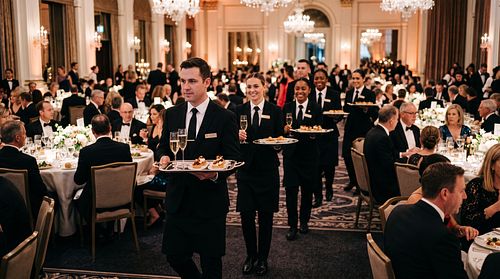
Banqueting hosts in Kensington W8 represent the front-line excellence of London's premium hospitality sector, delivering impeccable service at weddings, corporate galas, and exclusive private functions. Working through a trusted recruitment agency provides access to roles paying £12.50–£16.50 per hour, comprehensive training programs, and career advancement opportunities within five-star venues, luxury hotels, and prestigious event spaces across Royal Borough of Kensington and Chelsea.
Table of Contents
- → Introduction to Banqueting Host Roles in Kensington W8
- → About the Role: Banqueting Hosts
- → Key Duties and Responsibilities
- → Required Skills and Experience
- → Training and Development Opportunities
- → Current Catering Opportunities
- → Success Stories and Case Studies
- → Client Testimonials
- → Frequently Asked Questions
- → Conclusion and Next Steps
Introduction to Banqueting Host Roles in Kensington W8
Kensington W8 stands as one of London's most distinguished postcodes, home to world-renowned museums, embassies, luxury hotels, and exclusive private members' clubs. The demand for exceptional banqueting hosts in this area reflects the concentration of high-value events, corporate functions, and prestigious social gatherings that require impeccable service standards. From the elegant ballrooms of five-star hotels to intimate private dining experiences in Michelin-starred restaurants, banqueting hosts represent the visible face of hospitality excellence.
What is a Banqueting Host?
A banqueting host is a specialized hospitality professional who coordinates guest reception, seating arrangements, and service flow at large-scale events. This role combines front-of-house management, customer service excellence, and operational coordination to ensure seamless event delivery for weddings, corporate galas, charity dinners, and exclusive private functions.
Working with a trusted hospitality recruitment agency provides access to premium opportunities that may not be advertised publicly. Specialist agencies maintain relationships with Kensington's most prestigious venues, offering candidates exclusive access to roles at landmark locations including Kensington Palace events, Royal Albert Hall functions, and private events at historic South Kensington properties. These agencies understand the elevated service expectations required in W8 postcode venues and match candidates whose skills align with luxury hospitality standards.
The banqueting sector in Kensington experiences consistent demand throughout the calendar year, with peak seasons during summer wedding months (May–September) and corporate event periods (October–December, January–March). This creates opportunities for both permanent positions and flexible temporary assignments that allow hospitality professionals to build diverse experience portfolios while earning competitive hourly rates ranging from £12.50 to £16.50 depending on venue prestige and event complexity.
About the Role: Banqueting Hosts
Banqueting hosts occupy a pivotal position within event operations, serving as the primary point of contact for guests while coordinating behind-the-scenes logistics with kitchen teams, serving staff, and event managers. Unlike restaurant hosts who manage ongoing table turnover throughout service, banqueting hosts work within the structured timeline of specific events, requiring adaptability to varying formats from formal seated dinners to cocktail receptions and buffet services.
Core Responsibilities of Banqueting Hosts: 6 Essential Functions
- Guest Reception and Welcome – Creating positive first impressions through professional greeting protocols and personalized attention to VIP attendees
- Seating Coordination – Managing table plans, escort cards, and strategic placement to facilitate host objectives and guest comfort
- Service Flow Management – Coordinating timing between courses, managing pace of service, and communicating with kitchen brigade
- Event Setup and Breakdown – Overseeing table arrangements, place settings, centerpieces, and post-event restoration
- Guest Request Handling – Addressing dietary requirements, special requests, and resolving service issues with discretion
- Team Coordination – Briefing waiting staff, delegating responsibilities, and maintaining communication throughout service
High-end events in Kensington demand hosts who understand cultural sensitivities, diplomatic protocols, and luxury service nuances. Many venues cater to international clientele from embassy functions to corporate events for global brands headquartered in the area. Banqueting hosts must demonstrate cultural awareness, multilingual capabilities where possible, and the emotional intelligence to read room dynamics and adjust service approaches accordingly.
The role extends beyond operational tasks to include pre-event planning meetings, site inspections with event organizers, and post-event evaluations. Hosts may participate in menu tastings, contribute to layout planning, and provide input on service logistics based on their frontline experience. This consultative aspect adds value beyond day-of-event execution and positions experienced hosts as trusted advisors to venue management teams.
Supporting high-end events such as wedding receptions, corporate award ceremonies, charity galas, and private celebrations requires hosts to maintain composure during unexpected situations. From last-minute guest count changes to dietary emergency responses, the ability to problem-solve discreetly while maintaining service flow distinguishes exceptional banqueting hosts from adequate ones.
Key Duties and Responsibilities
The comprehensive scope of banqueting host duties encompasses pre-event preparation, real-time service coordination, and post-event responsibilities. Understanding the full spectrum of these duties helps candidates assess role compatibility and prepare for the multifaceted nature of premium event hospitality.
| Service Phase | Primary Duties | Key Skills Required | Success Metrics |
|---|---|---|---|
| Pre-Event Setup | Table layout verification, place setting precision, event briefing attendance, staff coordination | Attention to detail, organizational planning, team leadership | Setup completion 30 minutes pre-service, zero table layout errors |
| Guest Arrival | Professional greeting, coat check coordination, seating escort, VIP identification | First impressions management, spatial awareness, name recall | All guests seated within timeline, VIP protocol adherence |
| Active Service | Table monitoring, course timing coordination, request fulfillment, issue resolution | Multitasking, communication, problem-solving under pressure | Seamless service flow, prompt request response (<3 minutes) |
| Event Conclusion | Guest departure assistance, farewell coordination, feedback collection, breakdown supervision | Positive closure, efficiency, quality control | Positive guest feedback, efficient venue restoration |
Greeting and Seating Guests Professionally
The guest welcome establishes the tone for the entire event experience. Banqueting hosts must balance warmth with formality, adapting their approach to event type and venue atmosphere. At corporate functions, greetings may emphasize efficiency and professionalism, while wedding receptions require celebratory enthusiasm and personal touches that acknowledge the significance of the occasion.
Seating coordination involves more than directing guests to tables. Hosts must understand the strategic intentions behind table assignments—networking objectives for corporate events, family dynamics at weddings, or diplomatic considerations at embassy functions. Managing latecomers without disrupting service flow, accommodating last-minute plus-ones, and handling seating disputes with diplomatic grace form essential competencies in this area.
Assisting with Food and Beverage Service
While dedicated servers handle plate delivery and table service, banqueting hosts oversee service consistency across all tables, ensuring uniform pace and addressing any gaps in coverage. This supervisory role requires understanding silver service techniques, French service protocols, and buffet management depending on event format.
Hosts coordinate beverage service timing, ensuring water glasses remain filled, wine pairings arrive with appropriate courses, and champagne service for toasts occurs seamlessly. They communicate dietary restrictions to kitchen teams, verify special meals reach correct guests, and handle allergic reaction protocols should issues arise. This responsibility extends to monitoring alcohol consumption and engaging duty of care procedures when necessary.
Maintaining Event Presentation Standards
Throughout service, hosts maintain vigilance over room presentation—straightening tablecloths, replacing soiled napkins, removing used serviceware promptly, and ensuring centerpieces remain intact. This continuous attention to environmental details preserves the elevated atmosphere essential to luxury events.
Hosts monitor temperature comfort levels, lighting appropriateness for different event phases (brighter for dining, dimmed for dancing), and sound system functionality for speeches or entertainment. They serve as the eyes and ears of event management, proactively identifying and addressing environmental issues before guests notice or discomfort occurs.
Coordinating with Chefs, Waitstaff, and Event Managers
Effective communication forms the backbone of successful event execution. Hosts maintain constant radio or headset communication with kitchen brigades, updating on service progress and any course timing adjustments. They brief waiting staff on special requests, VIP tables requiring extra attention, and any service modifications decided during the event.
Coordination with event managers involves providing real-time updates on guest satisfaction, flagging potential issues, and confirming timeline adherence for scheduled elements like cake cutting, first dances, or award presentations. This liaison function ensures all stakeholders maintain awareness of event status and can adjust their activities accordingly.
Handling Guest Requests Efficiently
Request handling demonstrates host competency and directly impacts guest satisfaction metrics. From arranging wheelchair accessibility to coordinating surprise anniversary announcements, hosts must process diverse requests while maintaining service flow to all attendees. The ability to prioritize competing demands, delegate appropriately, and follow through without requiring guest follow-up distinguishes professional hosts.
Challenging situations—guest complaints, dietary errors, service failures—require hosts to exercise judgment about when to handle issues independently versus escalating to management. De-escalation skills, compensation authority understanding, and the confidence to make decisions that protect both guest relationships and venue interests form critical capabilities in premium hospitality environments.
Required Skills and Experience
Success as a banqueting host in Kensington W8 requires a combination of technical hospitality skills, interpersonal capabilities, and personal attributes that align with luxury service expectations. While specific requirements vary by venue, certain core competencies remain consistent across premium hospitality environments.
Essential Skills for Banqueting Hosts
- Exceptional Communication Skills – Clear verbal communication with guests, staff, and management; active listening to understand needs; professional written communication for event notes
- Emotional Intelligence – Reading social cues, adapting communication style to different personalities, managing stress responses in high-pressure situations
- Organizational Excellence – Managing multiple priorities simultaneously, maintaining systematic approach to tasks, anticipating needs before requests arise
- Physical Stamina – Standing for 8–12 hour shifts, carrying heavy serviceware, maintaining energy and professional demeanor throughout extended events
- Cultural Competency – Understanding diverse customs, dietary laws, service preferences; demonstrating respect for different traditions and protocols
- Technology Proficiency – Operating point-of-sale systems, event management software, communication devices; basic troubleshooting capabilities
- Conflict Resolution – De-escalating tense situations, finding win-win solutions, maintaining diplomatic composure during disagreements
Previous Hospitality and Catering Experience
While entry-level positions exist, most Kensington W8 venues prefer candidates with demonstrable hospitality experience. This might include restaurant hosting, waiting experience, hotel front desk operations, or event coordination roles. Even transferable customer service experience from retail, aviation, or luxury goods sectors can demonstrate the interpersonal skills essential to guest-facing positions.
Candidates who have worked in high-volume environments understand the operational intensity of large events. Experience managing pressure during peak service periods, maintaining quality standards when fatigued, and recovering from service disruptions translates directly to banqueting contexts. Venues particularly value candidates who have navigated the specific challenges of event hospitality versus ongoing restaurant operations.
Professional Appearance and Positive Attitude
Luxury hospitality maintains strict grooming and presentation standards. Hosts must understand appropriate formal business attire, maintain immaculate personal grooming, and present themselves in ways that reflect venue prestige. Many venues provide uniforms, but personal presentation—posture, facial expressions, energy level—communicates professionalism beyond clothing.
Attitude distinguishes competent hosts from exceptional ones. A genuine service orientation—deriving satisfaction from guest delight rather than viewing service as subservient—creates authentic interactions that guests perceive as warm rather than performative. The ability to maintain positive demeanor despite personal challenges, difficult guests, or operational setbacks reflects the emotional discipline required in premium hospitality.
Ability to Work Under Pressure During Busy Events
Events create compressed timeframes where multiple activities occur simultaneously within fixed schedules. Hosts must process information rapidly, make quick decisions with limited consultation time, and execute tasks efficiently without sacrificing quality. The capacity to remain calm when situations deviate from plans—kitchen delays, entertainment no-shows, sudden weather changes for outdoor elements—separates professionals who thrive in events from those who become overwhelmed.
Pressure management extends to emotional regulation. Hosts interact with guests during celebrations but also navigate behind-the-scenes stress with kitchen teams, vendors, and venue management. The ability to compartmentalize, maintaining gracious guest-facing demeanor while processing operational pressures, requires maturity and professional discipline developed through experience.
Teamwork and Adaptability
No host operates independently—success requires collaboration with teams that may change event-to-event. Working effectively with unfamiliar colleagues, adapting to different management styles across venues, and contributing positively to team dynamics regardless of personal circumstances demonstrates professional maturity valued in temporary and permanent positions alike.
Adaptability manifests in multiple dimensions: adjusting to different event formats (seated dinners versus cocktail receptions), working across diverse venue spaces (ballrooms, gardens, galleries), and serving varied client types (corporate, social, charitable). Hosts who demonstrate versatility access broader opportunities and command premium rates for their flexibility. Many recruitment agencies specifically seek candidates comfortable with varied assignment types rather than specialists in single event formats.
Training and Development Opportunities
Professional development pathways distinguish careers from jobs. Kensington's premium hospitality venues invest in staff development, recognizing that service excellence requires continuous skill refinement. Working through specialized recruitment agencies often provides access to training resources that independent job seekers might not encounter.
How to Advance Your Banqueting Career: 5 Strategic Steps
- Complete Certified Training Programs – Obtain HABC Level 2 Award in Food Safety, Personal Licence Holder qualification, and First Aid at Work certification to increase employability and demonstrate commitment to professional standards
- Master Advanced Service Techniques – Develop expertise in silver service, French service, guéridon service, and wine service protocols through on-the-job mentorship and specialized workshops
- Build Venue Relationships – Consistently deliver exceptional service to secure repeat bookings, positive references, and priority placement for premium events at your preferred locations
- Expand Skill Portfolio – Learn complementary capabilities such as sommelier basics, floral arrangement, event design, or foreign language skills to differentiate yourself in competitive markets
- Progress to Supervisory Roles – Demonstrate leadership capabilities to transition from host to banqueting supervisor, events manager, or food and beverage coordinator positions with increased responsibility and compensation
On-the-Job Training and Induction Programs
Most venues provide comprehensive orientation covering venue layout, emergency procedures, service standards, and operational systems. Initial shifts often involve shadowing experienced hosts, observing different event types, and gradually assuming responsibilities under supervision. This apprenticeship model allows new hosts to build confidence while receiving real-time feedback from mentors.
Ongoing training addresses emerging needs—new technology implementation, updated health and safety regulations, or changing service trends. Venues committed to excellence conduct regular training sessions, bring in external specialists for advanced workshops, and support staff attendance at hospitality conferences or industry events. Engagement with these development opportunities signals career seriousness to management and opens advancement pathways.
Silver Service and Fine Dining Etiquette Training
Silver service—the art of serving guests from platters using service spoon and fork in one hand—represents the pinnacle of formal dining service. While not required for all banqueting events, this skill dramatically increases earning potential and access to prestigious venues. Training typically occurs through practical demonstration, extensive practice, and gradual progression from assisting to performing full silver service independently.
Fine dining etiquette encompasses table setting precision (correct placement of multiple utensils, glassware positioning, napkin presentation), service side protocols (serve from left, clear from right, ladies first conventions), and wine service ceremonies (presentation, opening, tasting, pouring sequences). Understanding these traditions allows hosts to work confidently in Michelin-starred restaurants, exclusive clubs, and diplomatic functions where protocol observance matters significantly. Candidates interested in expanding their hospitality knowledge can explore opportunities in diverse catering environments to build comprehensive experience portfolios.
Professional Certification and Credential Building
Industry-recognized certifications demonstrate commitment and validate skills to employers. The Level 2 Food Safety and Hygiene certificate remains mandatory for food handling roles, while the Level 2 Award in Health and Safety addresses workplace safety knowledge. Personal Licence Holder qualification enables alcohol service supervision—valuable for events with bars or wine service.
Advanced credentials such as WSET (Wine & Spirit Education Trust) qualifications, specialist allergen awareness training, or diversity and inclusion certifications distinguish candidates in competitive job markets. Many progressive venues value these credentials when making permanent hire decisions or selecting staff for VIP events. Recruitment agencies often facilitate access to training providers and may subsidize course fees for active candidates.
All rates shown are above National Living Wage and reflect current market conditions. Actual compensation may vary based on experience, qualifications, shift patterns, and specific venue requirements. Rates updated regularly to maintain competitive positioning.
Success Stories: Banqueting Career Progression
Real-world examples demonstrate how strategic career management, continuous skill development, and partnership with specialist recruitment agencies create advancement pathways in hospitality. These case studies illustrate diverse journeys from entry-level positions to senior roles within premium event environments.
Case Study 1: From Restaurant Server to Banqueting Manager
Candidate Profile
Name: Sarah M.
Starting Position: Part-time Restaurant Server
Timeline: March 2021 – Present (3.5 years)
Current Role: Banqueting Manager, Five-Star Hotel Kensington
Initial Challenge
Sarah entered hospitality during the pandemic recovery period with limited formal experience beyond part-time restaurant work during university. She sought career-track positions but lacked the credentials and network to access premium venues independently. Initial applications to luxury hotels in Kensington went unanswered.
Strategic Intervention
Partnership with a specialist hospitality recruitment agency provided Sarah access to temporary banqueting host assignments at mid-tier venues. The agency identified her potential despite limited experience and secured placement at a corporate training center in West London. Over six months, Sarah completed 47 event shifts across 12 different venues, building versatile experience impossible to obtain in single-venue employment.
The recruitment agency facilitated access to advanced training: silver service certification, Level 2 Food Safety qualification, and a wine fundamentals course. These credentials, combined with positive feedback from venue partners, positioned Sarah for progression. In September 2022, the agency placed her in a permanent banqueting supervisor role at a four-star Kensington hotel.
Measurable Outcomes
- Compensation Growth: 156% increase from £11.44/hour (restaurant server) to £29,280/year salary (banqueting manager)
- Responsibility Expansion: Progressed from managing individual tables to overseeing teams of 15–25 staff across events serving 200+ guests
- Skill Development: Acquired six professional certifications including WSET Level 2, First Aid at Work, and Personal Licence Holder credential
- Professional Network: Built relationships with event planners, venue managers, and suppliers leading to freelance consulting opportunities
- Quality Recognition: Venue achieved 4.7/5.0 guest satisfaction score for events under Sarah's management (up from 4.2/5.0 prior)
Key Success Factors
Sarah attributes her progression to three strategic decisions:
- Accepting temporary assignments that built diverse experience versus waiting for the "perfect" permanent role
- Investing personal time and resources in professional development beyond employer-provided training
- Maintaining consistent communication with recruitment agency regarding career goals, enabling them to advocate for advancement opportunities
Current Status: Sarah manages all wedding and corporate event operations at her venue, leads menu development consultations, and mentors junior staff. She maintains relationship with the recruitment agency for industry networking and considers future progression to regional events director role.
Case Study 2: Career Transition into Luxury Hospitality
Candidate Profile
Name: James T.
Starting Position: Retail Store Manager (Non-Hospitality)
Timeline: January 2022 – November 2024 (2 years 10 months)
Current Role: Senior Banqueting Host, Private Members' Club Kensington
Initial Challenge
At age 34, James sought career change from retail management into hospitality, drawn by the dynamic environment and service-focused culture. Despite strong customer service background and team leadership experience, he faced skepticism from employers viewing career changers as risky hires lacking industry-specific knowledge. Traditional applications yielded minimal response from premium venues.
Strategic Intervention
Specialist recruitment agency recognized James's transferable skills—conflict resolution, team motivation, operational efficiency—and positioned him for trial shifts at venues willing to consider non-traditional candidates. Initial placement at a corporate dining facility allowed James to demonstrate capabilities while learning hospitality fundamentals on the job.
The agency created a 12-month development roadmap: start with corporate events (less formal, more forgiving of learning curves), progress to hotel banqueting (structured operations with support systems), then advance to private club environment (intimate settings requiring sophisticated social skills). This graduated exposure built confidence and competency systematically.
James completed Level 2 Food Hygiene, Level 2 Health and Safety, and allergen awareness training within first three months. The agency secured partial course fee sponsorship from venues benefiting from his improved knowledge. By month eight, James transitioned from temporary assignments to permanent part-time position at a Knightsbridge hotel, working three banqueting shifts weekly while continuing corporate event work through the agency.
Measurable Outcomes
- Career Transition Success: Achieved permanent placement in competitive luxury hospitality sector within 18 months of industry entry
- Income Maintenance: Maintained comparable compensation to retail management (£32,000) through combination of hourly wages and consistent shift availability
- Rapid Skill Acquisition: Mastered silver service, wine service protocols, and event coordination fundamentals within first year
- Professional Recognition: Received "Employee of Quarter" recognition twice at hotel venue; requested specifically for VIP client events at private club
- Work-Life Balance Improvement: Eliminated Sunday working, reduced average workweek from 52 hours (retail) to 45 hours, gained schedule flexibility
Key Success Factors
James identifies three critical elements enabling his successful transition:
- Humility to start at appropriate entry point despite previous management experience, avoiding ego-driven resistance to learning from less experienced hospitality professionals
- Proactive skill development beyond mandatory training, including reading industry publications, watching service tutorials, and attending hospitality networking events
- Strategic use of recruitment agency as career coach rather than mere job placement service, seeking advice on development priorities and market positioning
Current Status: James works at an exclusive Kensington private members' club serving diplomatic, business, and cultural community members. He hosts distinguished speaker dinners, fundraising galas, and intimate private functions. Looking ahead, James explores event management certification to position for events coordinator role, with recruitment agency supporting this next career phase.
What Our Clients Say About Catering.Jobs
Client testimonials provide authentic insight into the value that specialized hospitality recruitment delivers to both candidates and hiring organizations. These perspectives reflect diverse experiences across the catering and events sector.
"We've worked with Catering.Jobs for three years covering our banqueting operation at a 300-capacity Kensington venue. Their understanding of luxury hospitality standards is exceptional. They pre-screen candidates thoroughly, ensuring everyone they send possesses the polish and professionalism our clientele expects. During our busiest wedding season, they provided 18 excellent banqueting hosts across 42 events with zero no-shows. The caliber of their candidate pool consistently exceeds what we find through general recruitment channels. They've become an extension of our HR team rather than just a supplier."
Charlotte H.
Banqueting Manager, Five-Star Hotel Group
Kensington, London
"After completing my hospitality degree, I struggled to break into London's premium event scene. Catering.Jobs changed everything. My recruitment consultant understood my career aspirations and didn't just fill my calendar with random shifts—she strategically placed me at venues that built my CV. I worked at the Natural History Museum, Kensington Palace events, and exclusive Mayfair hotels within my first six months. The variety of experience was incredible. More importantly, they invested in my development, funding my silver service training and connecting me with mentors. I'm now permanently employed at a Michelin-starred restaurant, but I maintain my relationship with the agency for special event opportunities. They genuinely care about candidate success, not just placement fees."
Priya S.
Banqueting Host → Restaurant Supervisor
Career Journey: 2022-2024
"As an independent wedding planner working across West London venues, I need reliable staffing partners who understand that my reputation depends on flawless event execution. Catering.Jobs consistently delivers hosts who exceed expectations. For a 250-guest diplomatic wedding at Kensington venue, they provided a lead host and four support staff who navigated complex cultural protocols, managed multilingual guests, and coordinated seamlessly with our international catering team. The lead host spotted and resolved a potential seating conflict before it escalated—that situational awareness is priceless. Their staff don't just follow instructions; they think proactively and take ownership of guest experience. I now specify them in all my venue contracts. Worth every penny."
Marcus R.
Director, Elite Events London
Westminster & Kensington
"Running a private members' club requires staff who understand discretion, sophistication, and personalized service. Finding these qualities through conventional hiring proved challenging—hospitality experience alone doesn't guarantee the social intelligence our environment demands. Catering.Jobs understands this nuance. They don't send warm bodies; they send professionals who grasp what premium hospitality actually means. Their screening process identifies candidates with the emotional intelligence and cultural awareness our members expect. We've hired three permanent banqueting coordinators through them, all of whom became integral team members. Their post-placement support continues beyond the hire—they check in regularly, address any adjustment issues, and maintain the relationship long-term. This partnership approach distinguishes them from transactional recruitment services."
David K.
Operations Director, Kensington Private Club
Member Since 2020
Quick Reference: Banqueting Host Career Essentials
Entry Requirements
- Minimum age: 18 years
- Level 2 Food Safety (desirable)
- Customer service experience
- Professional appearance
- Eligibility to work in UK
Typical Earnings
- Entry Level: £12.50–£13.50/hour
- Experienced: £14.00–£15.50/hour
- Senior Host: £15.50–£16.50/hour
- Plus tips and service charges
- Potential £28,000–£35,000 annual
Career Progression Path
- Banqueting Host (0-2 years)
- Senior Host/Team Leader (2-4 years)
- Supervisor (4-6 years)
- Events Manager (6+ years)
- Director of Events
Essential Qualities
- Excellent communication skills
- Physical stamina (standing 8+ hours)
- Problem-solving ability
- Cultural sensitivity
- Flexibility with schedule
Frequently Asked Questions
What qualifications do I need to work as a banqueting host in Kensington?
While formal qualifications aren't strictly mandatory for entry-level positions, employers highly value Level 2 Food Safety and Hygiene certification. Many premium venues require or strongly prefer this credential. Previous customer service experience in any sector demonstrates transferable skills, though direct hospitality experience (restaurants, hotels, catering) provides competitive advantage. Professional demeanor, excellent communication abilities, and physical stamina for long shifts on your feet are essential. For advancement opportunities, additional certifications such as Personal Licence Holder qualification, First Aid at Work, and specialized training in silver service or wine service significantly enhance employment prospects and earning potential.
How much can I earn as a banqueting host in Kensington W8?
Compensation for banqueting hosts in Kensington W8 varies based on experience, venue prestige, and event complexity. Entry-level positions typically start at £12.50–£13.50 per hour, while experienced hosts command £14.00–£15.50 hourly. Senior hosts and team leaders earn £15.50–£16.50 per hour. Additionally, many events include service charges or tips distributed among staff, potentially adding £20–£50 per shift depending on event scale and client generosity. Full-time hosts working 40+ hours weekly can achieve annual earnings of £28,000–£35,000 when combining base wages with additional compensation. Premium venues and exclusive private events often pay above these ranges, particularly for hosts with specialized skills like multilingual capabilities or advanced service certifications.
What is the difference between working directly for a venue versus through a recruitment agency?
Direct venue employment provides schedule consistency, benefits (for permanent positions), and deeper integration into venue culture. However, opportunities may be limited to what single venues can offer. Working through recruitment agencies offers several distinct advantages: access to diverse venues and event types building comprehensive experience; flexibility to accept or decline assignments based on personal availability; exposure to Kensington's most prestigious properties that may not advertise publicly; agency-facilitated training and professional development; varied shift patterns accommodating other commitments; and competitive compensation as agencies negotiate rates with venues. Many successful hospitality professionals begin with agency placements, using temporary assignments to explore different venue types before committing to permanent positions. Agencies also provide ongoing career guidance and advocate for advancement opportunities based on your developing skills and preferences.
Are banqueting host positions full-time or part-time?
Banqueting opportunities exist across the employment spectrum. Permanent full-time positions offer guaranteed hours (typically 35-40 per week) with employment benefits, ideal for those seeking stability and career progression within single organizations. Part-time permanent roles provide scheduled shifts (15-30 hours weekly) suitable for students, parents, or those with other commitments. Temporary or casual positions offer maximum flexibility—accepting shifts as available around other obligations, with no minimum hour requirements. Many hosts combine employment models: maintaining part-time permanent roles at primary venues while supplementing income through agency assignments during peak seasons. This hybrid approach provides financial stability while preserving schedule flexibility. Event hospitality naturally creates variable demand—busier during wedding season (May-September) and corporate event periods (October-December, January-March)—making flexible arrangements beneficial for both workers and venues. For those exploring opportunities across different hospitality settings, the temporary staffing market provides excellent entry points.
What types of events would I work at as a banqueting host in Kensington?
Kensington W8's diverse event portfolio exposes hosts to extraordinary variety. Wedding receptions range from intimate 50-guest celebrations to lavish 300-person affairs in historic ballrooms. Corporate events include annual general meetings, award ceremonies, product launches, and networking dinners for businesses headquartered in the area. Charity galas and fundraising events attract philanthropic organizations leveraging Kensington venues for donor cultivation. Cultural events at museums, galleries, and heritage properties combine hospitality with art exhibitions or private viewings. Diplomatic functions at embassy facilities or private clubs require heightened cultural sensitivity and protocol awareness. Private celebrations—milestone birthdays, anniversaries, retirement parties—often feature highly personalized service. Holiday season brings concentrated activity with office Christmas parties, New Year's Eve celebrations, and seasonal gatherings. This diversity makes banqueting particularly appealing for those who thrive on variety rather than repetitive restaurant service patterns.
Do I need previous experience to become a banqueting host?
Entry-level banqueting positions exist for candidates without direct hospitality experience, though the bar is higher at Kensington's premium venues compared to general market. Transferable skills from retail, customer service, sales, or any guest-facing role demonstrate relevant capabilities. Venues assess attitude, presentation, communication skills, and learning aptitude alongside experience. Those without hospitality backgrounds can increase competitiveness by completing pre-employment training: Level 2 Food Safety certification shows initiative and eliminates employer training costs; attending introductory hospitality workshops demonstrates commitment; volunteering at community events builds practical experience; and securing references from customer-service positions validates interpersonal capabilities. Many successful hosts entered the field through agency temporary assignments providing on-the-job learning in supportive environments before progressing to prestigious venues. The key is positioning transferable skills effectively and demonstrating genuine passion for service excellence rather than viewing hospitality as default employment.
What career progression opportunities exist for banqueting hosts?
Banqueting provides clear advancement pathways for ambitious professionals. Typical progression moves from Banqueting Host to Senior Host or Team Leader within 18-24 months of consistent performance. Senior roles add responsibilities like staff briefing, quality assurance, and acting as shift supervisor. Next advancement to Banqueting Supervisor (2-4 years) involves managing entire events, coordinating multiple staff members, and liaising with clients and event planners. Events Manager or Banqueting Manager positions (4-6 years) encompass strategic planning, budget management, vendor relationships, and department leadership. Senior managers may progress to Director of Events or Food & Beverage Director overseeing multiple properties or regional operations. Alternative lateral moves include transitioning into event planning, catering sales, or specialized roles like wedding coordinator or conference services manager. Some hosts leverage experience to launch independent event staffing agencies or consulting practices. Success factors include continuous skill development, professional certification acquisition, relationship building within the industry, and demonstrated leadership capabilities. Geographic mobility and flexibility to relocate for opportunities accelerates progression, as does willingness to work in different hospitality segments—hotels, private clubs, conference centers—building comprehensive expertise.
Conclusion: Your Path to Premium Hospitality Careers
Banqueting host positions in Kensington W8 represent more than transactional employment—they offer entry points into one of London's most dynamic and rewarding professional sectors. The combination of prestigious venues, diverse event portfolios, competitive compensation, and clear advancement pathways creates opportunities for both immediate income and long-term career development.
Working through specialist recruitment agencies amplifies these opportunities by providing access to premium venues, facilitating professional development, offering schedule flexibility, and supporting strategic career management. The agency partnership model transforms job placement into career cultivation, with recruiters invested in your long-term success rather than merely filling immediate vacancies.
Kensington's hospitality sector continues thriving despite broader economic uncertainties. The concentration of wealth, international business headquarters, cultural institutions, and diplomatic presence ensures consistent demand for exceptional event services. This resilience makes hospitality careers particularly attractive in uncertain times—premium service remains valued regardless of economic cycles.
Ready to Begin Your Banqueting Career?
Connect with London's leading hospitality recruitment specialists today
📧 Email: [email protected]
📍 Visit: 344-348 High Road, Ilford IG1 1QP
The distinction between adequate and exceptional hospitality professionals lies not in innate talent but in commitment to continuous improvement, genuine service orientation, and strategic career management. Kensington's premium venues seek individuals who view hospitality as profession rather than placeholder—those who take pride in creating memorable experiences for guests and derive satisfaction from service excellence.
Whether you're launching your hospitality career, transitioning from another sector, or seeking progression from current roles, banqueting host positions in Kensington W8 offer compelling opportunities. The combination of immediate earning potential (£12.50–£16.50 per hour), professional development support, exposure to prestigious events, and clear advancement pathways creates value proposition rare in entry-level to mid-career positions.
Take the first step today. Register with specialist recruitment agencies, complete relevant training certifications, refine your professional presentation, and position yourself for opportunities that others miss. London's hospitality sector rewards those who approach it strategically, and Kensington W8 stands as the pinnacle of that sector—a place where careers are built, not just jobs performed.
Career Growth Opportunities in London Hospitality
The broader hospitality network extends beyond banqueting into complementary sectors offering diverse career paths:
- Fine Dining Restaurant Service – explore opportunities across premium dining establishments
- Educational Catering Management – school nutrition programs combining service with community impact
- Healthcare Support Services – patient services roles in medical facilities
- Event Venue Operations – large-scale stadium and arena hospitality positions
About the Author
Catering.Jobs Editorial Team
Our specialist hospitality recruitment team comprises industry veterans with 15+ years combined experience placing candidates across London's premium catering and events sector. We maintain active relationships with over 200 venues spanning Kensington, Mayfair, Chelsea, Knightsbridge, and Westminster, providing insider knowledge of hiring trends, compensation benchmarks, and career development opportunities. Our insights draw from direct engagement with venue managers, event planners, and thousands of successful candidate placements across banqueting, fine dining, corporate catering, and institutional food service environments.
Credentials: Institute of Hospitality (IoH) Corporate Affiliate, Recruitment & Employment Confederation (REC) Member, Certified Professional in Catering and Events (CPCE)
Last Updated: May 2026 | Next Review: August 2026

