Temporary Event Catering Manager Roles in Norwich | Premium Setting for June 2025
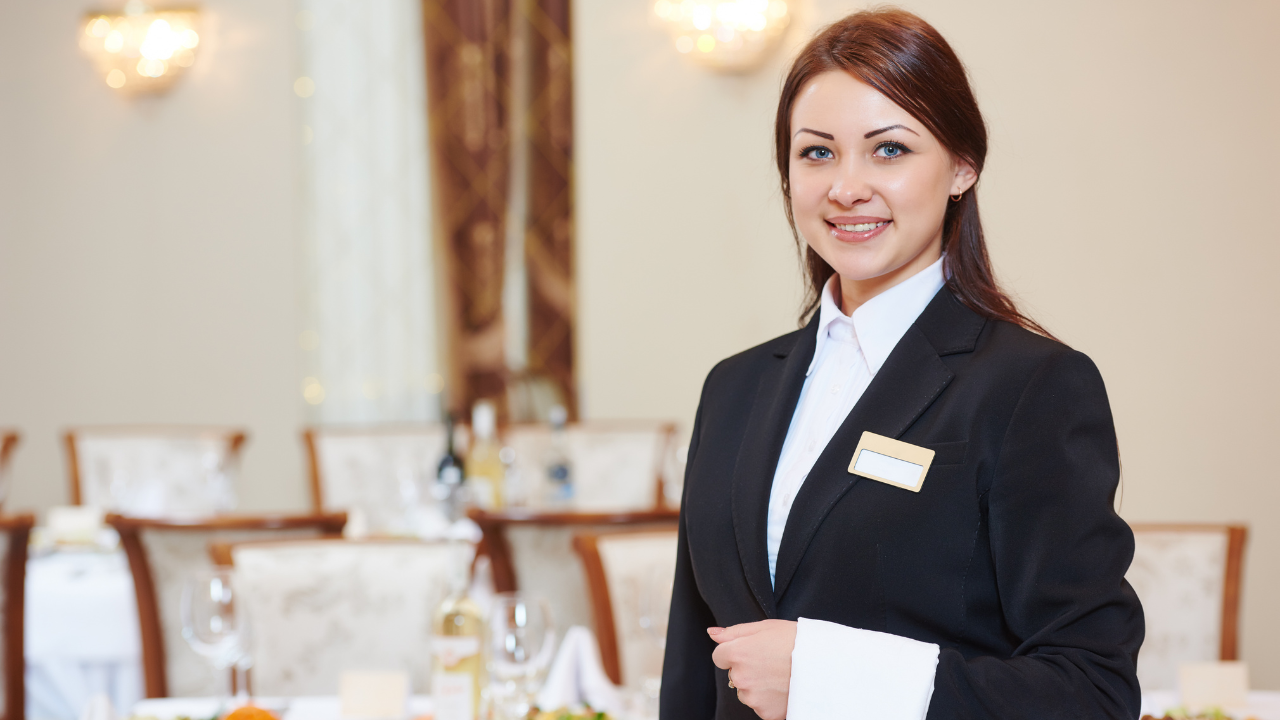
Job Title: Event Catering Manager
Location: Norwich
Job Description
We are seeking an experienced and dedicated Event Catering Manager to join our team in Norwich. This role involves overseeing all aspects of catering operations for various events, ensuring exceptional food service and customer satisfaction.
Main Responsibilities
– Plan, coordinate, and execute catering services for diverse events including corporate functions, weddings, conferences, and private parties
– Manage and train catering staff, including chefs, servers, and support personnel
– Create and oversee catering budgets, controlling costs while maintaining quality standards
– Develop and update menus in collaboration with the head chef, considering seasonal availability and client preferences
– Liaise with clients to understand their requirements and provide tailored catering solutions
– Ensure compliance with food safety regulations and health standards
– Coordinate with vendors and suppliers for timely delivery of food and equipment
– Handle logistics including transportation, setup, and breakdown of events
– Resolve customer concerns promptly and professionally
– Monitor inventory and manage procurement of food, beverages, and catering equipment
Required Skills & Qualifications
– Level 4 Food Hygiene Certificate
– HACCP certification
– Hospitality or Culinary Arts degree/diploma preferred
– Valid driver’s license
– Excellent organizational and time management skills
– Strong leadership abilities with experience managing teams
– Outstanding communication and customer service skills
– Proficiency in catering management software
– Ability to work under pressure and solve problems quickly
– Knowledge of dietary requirements and food allergens
– Financial acumen for budget management
Experience
– Minimum 3-5 years in catering management or related hospitality role
– Proven track record in event planning and execution
– Experience in menu development and food presentation
– Background in staff training and development
– Demonstrated ability to manage multiple events simultaneously
Various Event Catering Manager Roles in Norwich
Corporate Event Catering Manager
Specializing in business conferences, office parties, and corporate functions with focus on professional service and timely execution.
Wedding Catering Manager
Focused on creating memorable dining experiences for weddings, with expertise in customization and working closely with couples.
Educational Institution Catering Manager
Managing catering services for university events, graduation ceremonies, and academic conferences.
Hotel Banqueting Manager
Overseeing catering operations within hotel settings for both internal and external events.
Festival & Outdoor Event Catering Manager
Specializing in large-scale outdoor events with expertise in mobile kitchen operations and mass catering.
Pay Rates for Event Catering Manager Roles in Norwich
– Entry-Level Event Catering Manager: £25,000-£28,000 per annum
– Mid-Level Event Catering Manager: £28,000-£35,000 per annum
– Senior Event Catering Manager: £35,000-£45,000 per annum
– Specialist Catering Manager (Weddings/High-end Events): £40,000-£50,000 per annum
– Contract/Freelance Event Catering Manager: £150-£250 per day
– Seasonal Event Catering Manager: £22-£28 per hour
Benefits often include performance bonuses during busy seasons, meal allowances, flexible scheduling options, and professional development opportunities.
Pay rates may vary depending on the size of the establishment, type of events, and level of experience.
Introduction
The bustling city of Norwich, with its rich historical tapestry and vibrant cultural scene, has emerged as a premier destination for events ranging from intimate gatherings to grand celebrations. At the heart of these successful events stands the event catering manager, a professional whose expertise bridges the gap between culinary excellence and seamless event execution. In Norwich’s competitive hospitality landscape, event catering managers play a pivotal role in shaping memorable experiences while navigating the unique challenges and opportunities presented by this historic East Anglian city. This article delves into the multifaceted roles of event catering managers in Norwich, exploring their responsibilities, the skills they must possess, the challenges they face, and the rewards this dynamic career path offers.
Understanding the Event Catering Industry in Norwich
Norwich boasts a diverse and thriving event scene, characterized by its blend of traditional venues and contemporary spaces. From the medieval splendor of Norwich Cathedral and Norwich Castle to modern conference facilities at venues like The Forum and the University of East Anglia, the city offers a rich tapestry of event locations that demand versatile catering solutions.
The local catering industry has experienced significant growth in recent years, responding to Norwich’s increased popularity as an event destination. This growth has been fueled by the city’s strategic location, strong transport links to London and other major cities, and its reputation as a cultural hub in East Anglia. Additionally, Norwich’s proximity to agricultural regions provides catering businesses with access to fresh, local produce, supporting the farm-to-table movement that has gained traction among discerning clients.
The market encompasses a diverse range of catering operations, from established hotel catering departments and large-scale catering companies to boutique caterers specializing in niche cuisines or sustainable practices. This competitive landscape requires event catering managers to continuously innovate and differentiate their offerings while maintaining the high standards expected in this industry.
Core Responsibilities of an Event Catering Manager
The role of an event catering manager in Norwich encompasses a wide spectrum of responsibilities that require both culinary expertise and business acumen. At its foundation, the position involves meticulous menu planning and development. This process requires an understanding of current food trends, seasonal availability of local ingredients, and the ability to craft menus that cater to diverse dietary requirements while maintaining cohesion with the event’s theme and budget.
Client consultation forms a crucial component of the role. Event catering managers must excel in understanding client visions, translating abstract ideas into concrete culinary experiences, and managing expectations regarding what is achievable within given constraints. These consultations often involve conducting tastings, presenting food and beverage options, and negotiating contracts that clearly outline services and costs.
Operational planning and logistics management represent another significant responsibility. This includes determining appropriate staffing levels, coordinating with venue management regarding kitchen facilities and service areas, planning food preparation timelines, and organizing transportation of equipment and prepared items. In Norwich’s historic venues, this often presents unique challenges, as many locations have preserved their medieval or Victorian character, sometimes lacking modern kitchen facilities or having restricted access.
Staff management and training are equally important aspects of the role. Event catering managers recruit, train, and supervise kitchen and service staff, ensuring all team members understand the menu items, service protocols, and specific requirements of each event. They must foster a culture of excellence while managing the fast-paced, high-pressure environment typical of event catering.
Budget management requires careful attention to food costs, labor expenses, and operational overheads while maintaining profit margins. This demands shrewd negotiation with suppliers, efficient inventory management, and the minimization of waste without compromising quality.
Quality control spans all aspects of the operation, from ingredient selection and food preparation to presentation and service. Event catering managers must implement systems to ensure consistent standards are maintained throughout the event, often managing multiple courses served simultaneously to large numbers of guests.
Specialized Skills Required for Success
Success as an event catering manager in Norwich demands a diverse skill set that extends beyond basic catering knowledge. Culinary expertise serves as the foundation, with managers needing comprehensive understanding of food preparation techniques, ingredient compatibility, and presentation aesthetics. This expertise must be complemented by food safety knowledge, ensuring all operations comply with UK food hygiene regulations, particularly important in Norwich’s historic venues where modern facilities may be limited.
Business and financial acumen enables managers to operate profitably while delivering value to clients. This includes skills in budgeting, cost control, pricing strategy, and understanding market dynamics within Norwich’s competitive catering landscape. Equally important is proficiency in event planning and coordination, which requires familiarity with event timelines, understanding of different event types, and the ability to create cohesive experiences where catering enhances the overall event objectives.
Leadership and people management capabilities are essential for directing diverse teams under pressure. Effective managers must motivate staff, resolve conflicts, delegate appropriately, and create a positive working culture that promotes excellence even during busy periods with multiple concurrent events.
Communication stands as perhaps the most critical skill, with managers needing to articulate ideas clearly to clients, staff, and suppliers. This includes the ability to listen actively to client requirements, negotiate tactfully, and translate technical culinary terminology into accessible language for clients who may lack catering expertise.
Problem-solving and adaptability are particularly valuable in event catering, where unexpected challenges frequently arise. Successful managers respond creatively to last-minute changes, equipment failures, or staffing issues, maintaining service quality despite obstacles. The unique challenges presented by Norwich’s diverse venues—from medieval halls to contemporary spaces—make this adaptability especially important.
Navigating Norwich’s Unique Catering Environment
Norwich presents a distinctive environment for event catering managers, characterized by both opportunities and challenges specific to this historic city. Understanding and embracing local food heritage represents a significant advantage. Norfolk’s agricultural abundance provides access to exceptional produce, from Cromer crab and Norfolk Black turkey to locally grown asparagus and samphire. Event catering managers who forge relationships with local producers not only support the regional economy but also offer clients authentic Norfolk dining experiences that celebrate the area’s culinary traditions.
The city’s diverse venue landscape requires adaptability and specialized knowledge. Norwich boasts an eclectic mix of historic venues including Norwich Cathedral, Dragon Hall, and St. Andrew’s Hall, alongside contemporary spaces such as The Forum and Carrow Road stadium. Each venue presents unique considerations regarding kitchen facilities, service areas, access for deliveries, and operational constraints. Successful catering managers develop expertise in navigating these varied environments, maintaining consistent quality regardless of the setting.
Seasonal fluctuations in demand present another challenge, with Norwich experiencing peak periods aligned with university events, summer weddings, and the Christmas season. Managing these fluctuations requires strategic staffing approaches, including maintaining a reliable pool of temporary workers and implementing effective training programs that allow rapid scaling of operations without compromising service standards.
The city’s growing reputation as a cultural destination has fostered increased competition in the catering sector. This competitive landscape necessitates continuous innovation and clear differentiation strategies. Successful catering managers develop distinctive culinary signatures or service approaches that set their offerings apart, whether through sustainability commitments, specialized cuisine styles, or exceptional presentation concepts.
Norwich’s evolving culinary preferences reflect both traditional values and contemporary trends. While many clients seek classic British dining experiences, there’s growing demand for international cuisines, plant-based options, and interactive food stations. Effective catering managers stay attuned to these shifting preferences, regularly refreshing menus and service concepts to remain relevant in this dynamic market.
Building and Managing Catering Teams
The assembly and leadership of effective catering teams represents one of the most challenging aspects of an event catering manager’s role in Norwich. Recruitment strategies must address the specific staffing needs of event catering, where demand fluctuates significantly throughout the year. Successful managers cultivate relationships with local hospitality training programs, including those at City College Norwich, to identify promising talent. They also develop networks within the city’s hospitality community to facilitate staff referrals and maintain databases of reliable temporary workers who can supplement core teams during busy periods.
Training and development programs are essential for maintaining service standards and building team capabilities. Effective training encompasses technical skills—such as food preparation techniques and service protocols—as well as soft skills like client interaction and problem-solving. Many successful Norwich catering operations implement mentor systems, pairing experienced staff with newcomers to facilitate knowledge transfer. Cross-training staff to perform multiple roles increases operational flexibility, particularly valuable when catering in venues with space limitations or unusual layouts.
Team motivation in the high-pressure event environment requires thoughtful leadership approaches. Recognition programs that celebrate exceptional performance, clear communication of event objectives, and post-event debriefs that acknowledge successes while constructively addressing improvement areas all contribute to team cohesion and motivation. Some Norwich catering managers implement incentive structures for high-profile or particularly challenging events, recognizing the additional demands these place on staff.
Staff retention presents an ongoing challenge in the catering industry, where traditional working hours are rare and physical demands are high. Successful managers address retention through competitive compensation, creating pathways for advancement, and fostering a positive team culture. Many also introduce flexibility where possible, such as guaranteed time off between major events or rotating weekend duties. Norwich’s relatively compact size creates a close-knit hospitality community where reputations matter, making positive staff relations particularly important for attracting and retaining talent.
Diversity within catering teams has become increasingly important, reflecting both ethical considerations and practical benefits. Teams encompassing varied cultural backgrounds, age groups, and culinary traditions bring broader perspective to menu development and can better connect with Norwich’s diverse client base. Forward-thinking catering managers actively promote inclusive recruitment practices and create supportive environments where diverse team members can thrive and contribute their unique perspectives.
Technology and Innovation in Event Catering
The integration of technology has transformed event catering operations in Norwich, streamlining processes and enhancing client experiences. Digital management systems have revolutionized inventory control, staff scheduling, and client relationship management. Catering managers increasingly utilize specialized software platforms that track ingredient usage, forecast requirements for upcoming events, and generate automated reordering alerts. These systems reduce waste, optimize purchasing, and free managers from administrative burdens, allowing greater focus on creative and client-facing aspects of their role.
Online planning tools have similarly transformed client interactions. Web-based portals enable clients to view menu options, track their event planning progress, and communicate preferences directly through digital platforms. Advanced visualization tools allow catering managers to create virtual table layouts and food presentation concepts, helping clients envision the experience before committing to specific designs. These technologies have proven particularly valuable for clients planning Norwich events from distant locations, enabling collaborative planning without requiring multiple in-person meetings.
Social media and digital marketing have become essential components of catering promotion in Norwich’s competitive market. Platforms like Instagram and Pinterest offer catering managers powerful channels to showcase their creations, with high-quality food photography and event ambiance images serving as compelling portfolio elements. Many successful Norwich catering operations maintain active social media presences where they highlight seasonal offerings, showcase recent events, and engage with the local community. These platforms also facilitate trend monitoring, allowing managers to stay attuned to evolving preferences and innovative concepts.
Culinary innovation represents another frontier where technology influences catering operations. Modern preparation techniques utilizing equipment like sous vide circulators, anti-griddles, and nitrogen dispensers enable unique food presentations and consistency across large-scale service. At Norwich’s highest-end events, technologies like 3D food printing and augmented reality dining experiences have begun to appear, though these remain specialty offerings rather than mainstream approaches.
Sustainability technologies have gained particular traction in Norwich, reflecting the city’s environmental consciousness and proximity to agricultural producers. Catering managers increasingly employ food waste tracking systems, compostable packaging solutions, and energy-efficient equipment. Some have embraced apps that facilitate donation of surplus food to local charities, addressing both environmental concerns and social responsibility objectives.
Sustainability and Ethical Considerations
The emphasis on sustainable and ethical practices has become increasingly prominent in Norwich’s event catering industry, reflecting both client expectations and operational values. Local sourcing initiatives represent a cornerstone of sustainable catering approaches in this region. Norwich’s location amidst Norfolk’s agricultural abundance facilitates farm-to-table practices, with many catering managers developing direct relationships with producers within a 30-mile radius. These partnerships support the local economy, reduce transportation-related carbon footprints, and provide access to fresher ingredients that often require less preservation or processing.
Waste reduction strategies have evolved beyond basic recycling to encompass comprehensive approaches to minimizing environmental impact. Progressive catering operations implement portion control systems, repurpose trim items creatively, and design menus that utilize whole ingredients. Some have adopted nose-to-tail and root-to-stem philosophies that maximize the use of animal products and produce. For unavoidable waste, composting partnerships with local farms create closed-loop systems that return nutrients to the soil producing future ingredients.
Ethical sourcing extends beyond geography to include consideration of production methods and labor practices. Norwich catering managers increasingly prioritize suppliers providing ethically raised animal products, demonstrated through certifications like Red Tractor, RSPCA Assured, or organic designations. Similarly, fair trade certification for imported products like chocolate, coffee, and certain spices ensures workers throughout the supply chain receive fair compensation.
Dietary inclusivity has transitioned from accommodation to celebration, with innovative plant-based offerings appearing prominently on Norwich catering menus. The rising vegetarian and vegan population in the city has driven development of sophisticated plant-focused dishes that appeal to all diners rather than serving as alternatives only for those with dietary restrictions. Allergen management has similarly evolved, with comprehensive tracking systems and creative alternatives ensuring guests with food sensitivities enjoy equally memorable dining experiences.
Energy and water conservation initiatives increasingly factor into catering operations, particularly in Norwich’s historic venues where resource efficiency may present challenges. Energy-efficient equipment, water-saving cleaning processes, and strategic production scheduling to minimize refrigeration and heating requirements all contribute to reducing the environmental footprint of catering operations. These practices often generate cost savings while aligning with the values of environmentally conscious clients seeking responsible partners for their events.
Career Development and Advancement
For ambitious professionals in Norwich, event catering management offers diverse pathways for career development and advancement. Educational foundations often begin with formal culinary training, with institutions like City College Norwich providing specialized hospitality and catering programs that combine technical skills with business knowledge. Many successful catering managers complement these qualifications with certifications in areas such as food safety management, event planning, and business administration. The Chartered Institute of Environmental Health (CIEH) and the Institute of Hospitality offer particularly relevant qualifications that enhance credibility and expertise.
Experience trajectories typically involve progression through various operational roles before reaching management positions. Many start as chefs or service staff, advancing to supervisory positions before moving into assistant manager roles. This gradual progression builds comprehensive understanding of catering operations from multiple perspectives. Some professionals gain valuable experience by working across different types of establishments—hotels, restaurants, and dedicated catering companies—before specializing in event catering management.
Professional networking plays a crucial role in advancement within Norwich’s relatively close-knit hospitality community. Active participation in local business organizations like Norwich Business Improvement District and Norfolk Chamber of Commerce provides opportunities to build relationships with potential clients and collaborators. Industry associations such as the Nationwide Caterers Association offer platforms for knowledge exchange and professional development, while local food festivals and hospitality events facilitate connections with suppliers and fellow professionals.
Specialization represents an increasingly valuable strategy for career advancement in Norwich’s competitive catering landscape. Some managers develop expertise in specific event types, such as corporate conferences, weddings, or cultural celebrations. Others build reputations around culinary niches like heritage Norfolk cuisine, plant-based catering, or international specialties. This specialization enables professionals to establish distinctive market positions and command premium rates for their specialized expertise.
Entrepreneurial pathways attract many experienced catering managers who aspire to establish their own operations. Norwich’s diverse venue landscape and growing event market create opportunities for new catering businesses with distinctive concepts. Many successful entrepreneurs begin with small-scale operations, gradually building their client base and capabilities before expanding. Others partner with existing venue operators to provide exclusive catering services, creating stable business foundations while maintaining creative independence.
Challenges and Rewards of the Profession
The profession of event catering management in Norwich presents a distinctive blend of challenges and rewards that shape the experience of professionals in this field. Operational pressures constitute perhaps the most immediate challenges, with managers frequently navigating tight timelines, unexpected changes, and the simultaneous coordination of multiple event elements. The requirement to maintain consistent quality while adapting to varied venues—from Norwich Cathedral’s historic refectory to contemporary spaces like The Assembly House—demands exceptional versatility and problem-solving abilities.
Seasonal fluctuations create both business and staffing challenges, with Norwich experiencing concentrated demand during summer wedding season, the Christmas period, and graduation events at the University of East Anglia. Managing these peaks requires sophisticated resource planning, while sustaining operations during quieter periods demands creative approaches to business development and cost management.
Physical and mental demands characterize the working life of catering managers, with long hours, weekend commitments, and high-pressure environments being commonplace. The physical nature of event execution, often involving early setup and late breakdown in a single day, requires stamina and energy management. Meanwhile, the mental demands of juggling multiple priorities, managing diverse team members, and addressing client concerns require emotional resilience and exceptional organizational abilities.
Despite these challenges, the profession offers significant rewards that explain its appeal to many hospitality professionals. Creative fulfillment stands as a primary satisfaction, with managers enjoying opportunities to design distinctive culinary experiences, innovate with presentation concepts, and transform abstract themes into tangible sensory experiences. The variety of work provides continual stimulation, with each event presenting unique requirements and creative possibilities that prevent professional stagnation.
Client relationships and appreciation offer meaningful personal rewards, with managers often developing long-term connections with regular clients and receiving direct acknowledgment of their contributions to significant life moments or business achievements. The tangible impact of their work becomes immediately evident through guest reactions and client feedback, providing clear validation of their professional efforts.
Community connection represents another significant reward, with catering managers often playing integral roles in Norwich’s cultural and business communities. Through their work at civic celebrations, charity fundraisers, and business conferences, they contribute to the city’s social fabric while developing networks that extend beyond purely commercial relationships. This community integration offers a sense of purpose and belonging that transcends the immediate business objectives of catering operations.
New Trends Shaping the Future of Event Catering in Norwich
The event catering landscape in Norwich continues to evolve, with several emerging trends reshaping client expectations and operational practices. Interactive dining experiences have gained significant momentum, with clients increasingly seeking engagement beyond traditional seated service. Food stations where chefs prepare dishes to order, DIY customization bars, and theatrical serving methods all contribute to creating memorable moments. This trend particularly resonates in Norwich where the experience economy has flourished, with clients valuing participatory elements that guests can share through social media.
Hyper-local cuisine has transcended trendy status to become an established expectation among discerning Norwich clients. This approach extends beyond simple local sourcing to encompass storytelling around ingredients, revival of heritage Norfolk recipes, and celebration of seasonal microseasons like Norfolk asparagus in May or Cromer crab in summer. Forward-thinking catering managers collaborate with specialized producers like Norfolk microbreweries, artisanal cheesemakers, and small-batch distillers to create distinctive offerings with authentic provenance.
Health-conscious catering has expanded from accommodating dietary restrictions to actively promoting wellness through thoughtfully designed menus. This includes emphasis on nutrient-dense ingredients, balanced portion composition, and nutritionally complete plant-based options. Some Norwich catering operations have introduced concepts like brain-boosting menus for corporate events, designed to maintain attendee energy and focus throughout day-long programs.
Personalization has become increasingly sophisticated, moving beyond basic choice selection to truly customized experiences. Data-driven approaches enable catering managers to track attendee preferences across multiple events, allowing anticipation of needs and customization at scale even for large functions. Some Norwich caterers have implemented systems allowing guests to pre-select not just their meal choice but specific modifications to standard dishes, accommodating preferences beyond medical or ethical requirements.
Hybrid event catering represents perhaps the most transformative trend, accelerated by the pandemic but continuing as in-person events resume. This approach involves creating cohesive experiences for both physical attendees and remote participants, sometimes including coordinated home delivery of complementary food packages for virtual attendees. As Norwich strengthens its position as a regional conference destination, this capability has become increasingly valuable for corporate and institutional clients hosting distributed audiences.
Conclusion
Event catering management in Norwich represents a profession that demands exceptional versatility, creativity, and operational excellence. The unique landscape of this historic city, with its blend of traditional venues and contemporary spaces, creates a dynamic environment where catering professionals must navigate both challenges and opportunities with equal skill. As we have explored, the role encompasses far more than food production and service, extending to encompass business management, client relationships, team leadership, and creative direction.
The profession continues to evolve in response to changing consumer preferences, technological developments, and growing emphasis on sustainability. Successful catering managers embrace these changes, continuously developing their skills and approaches to remain relevant in a competitive market. The distinctive character of Norwich—its rich culinary heritage, strong agricultural connections, and vibrant event scene—provides a fertile environment for catering innovation and excellence.
For those drawn to this multifaceted profession, the rewards extend beyond financial compensation to include creative fulfillment, professional recognition, and the satisfaction of creating memorable experiences that mark significant moments in clients’ lives. As Norwich continues to enhance its reputation as a destination for distinctive events, the role of catering managers in shaping these experiences will remain central to the city’s hospitality landscape.
The future of event catering in Norwich points toward increasing integration of technology, deeper commitment to sustainable practices, and more personalized dining experiences. These developments will require catering managers to continuously expand their capabilities while remaining grounded in the fundamental principles of hospitality and service that define this profession. For those willing to embrace these challenges, event catering management offers a dynamic and rewarding career path at the intersection of culinary arts, business management, and creative expression.
FAQs – Find Event Catering Manager Roles in Norwich with Team Catering
What qualifications do I need to become an Event Catering Manager in Norwich?
Typically, employers look for a combination of relevant hospitality experience and qualifications such as NVQ Level 3 in Hospitality Management or a degree in Event Management. Experience in a supervisory catering role is often valued over formal qualifications.
What is the average salary for Event Catering Managers in Norwich?
Salaries typically range from £25,000-£35,000 depending on experience and venue size. Senior managers at premium venues or with large event companies may earn up to £40,000-£45,000.
What are the key responsibilities of an Event Catering Manager?
Core duties include menu planning, supplier negotiation, staff supervision, budget management, ensuring food safety compliance, client consultations, and coordinating service delivery on event days.
What hours can I expect to work?
The role involves irregular hours including evenings, weekends, and holidays. During peak seasons (summer and Christmas), you’ll likely work 50+ hours weekly, with more standard hours during quieter periods.
What career progression opportunities exist?
From this position, you could advance to Operations Director, F&B Manager at larger venues, or establish your own catering business. Norwich’s vibrant event scene offers good opportunities for experienced professionals.

