Hire Professional Waitresses: Fast, Flexible Hospitality Staffing for UK Venues
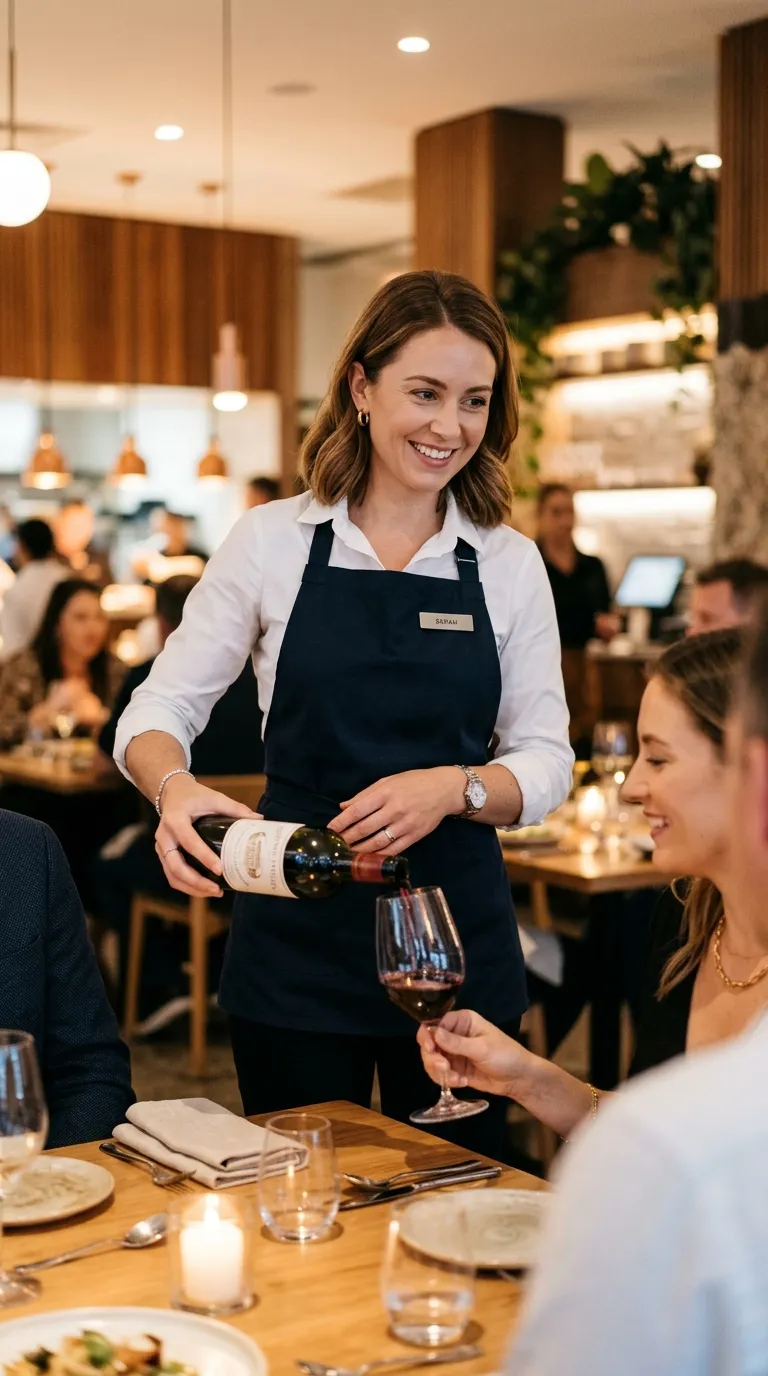
Whether you are staffing a busy restaurant, conference banquet, festival bar, or pop-up dinner, professional waitresses shape the guest experience. They set tone, manage timing, and turn service into memorable hospitality. This guide explains how to hire professional waitresses efficiently, what skills matter, and how a Kitchen Porter Agency can support front-of-house teams when venues need reliable staffing. The goal is simple: help managers build confident service teams while giving experienced hospitality workers clear, flexible opportunities.
About Professional Waitresses
Professional waitresses are trained front-of-house team members who do more than carry plates. They greet guests, explain menus, manage allergens, handle payments, and keep service flowing when a venue becomes busy. In high-standard settings, a waitress also acts as a brand representative, using calm posture, polite language, and practical problem-solving to protect the guest experience. For employers, the value is measurable. A skilled waitress can increase average spend through thoughtful upselling, reduce complaints by resolving issues early, and improve table turnover without making guests feel rushed.
For candidates, professionalism means reliability, punctuality, food-safety awareness, and the ability to work under pressure. The best placements match the venue’s style. A fine-dining team needs different strengths than a casual café, corporate conference, or festival bar. Understanding these differences helps managers write clearer briefs and helps agencies send staff who can perform from the first shift. It also supports the wider hospitality workforce, where flexible roles are increasingly common, and where venues need dependable service during peak demand. When front-of-house teams are hired well, the venue becomes easier to run: guests feel welcomed, managers feel supported, and staff feel confident.
Professional waitresses also play an important role in venue reputation. In the age of online reviews, a guest’s impression can be shaped within seconds of arrival. A warm greeting, accurate allergy advice, and efficient drink service can create a positive experience that encourages repeat visits. On the other hand, slow service, unclear menu knowledge, or poor table management can damage even the best food offering. That is why hiring with intention matters. Venues that understand the role of skilled waitress staffing can build stronger teams, improve service consistency, and create a more welcoming environment for every guest.
Multi-Category Overview: Find the Right Type of Waitress Staff
Use the interactive tabs below to compare common categories and choose the right brief for your next shift. Each type of professional waitress requires a slightly different blend of speed, etiquette, communication, and venue awareness.
Fine Dining Waitress
Fine dining waitresses work in restaurants where service rhythm, wine knowledge, and etiquette are essential. They understand tableside service, multi-course timing, and discreet communication. They can describe ingredients, recommend pairings, and adjust pace for celebrations or business dinners. For venues, this category suits premium menus, tasting experiences, and special-occasion service. Brief the team on dress code, allergen handling, and how to greet VIPs without interrupting the chef’s timing.
Employers should expect candidates to have prior silver-service or formal dining experience, or to be trained quickly with clear service standards. Agencies can screen for confidence, menu learning ability, and calm guest management. This is ideal when the guest journey depends on precision and consistency. Fine dining staff must also know how to handle unexpected requests, such as last-minute dietary changes or private dining adjustments, without disrupting the overall dining atmosphere.
Event Catering Waitress
Event catering waitresses support weddings, corporate conferences, exhibitions, and large-scale hospitality functions. They move quickly, communicate across floor teams, and keep service consistent even when guest numbers fluctuate. They must manage tray service, buffet replenishment, and timed meal drops while remaining polite in noisy environments. For event organisers, this category reduces the risk of service gaps during peaks. Agencies should provide staff experienced with event timings, radio communication, and flexible shift patterns.
This is a strong fit for venues relying on event catering staff for short-term demand. Event teams often need to adapt to changing layouts, guest arrivals, and last-minute service instructions. Professional waitresses in this category should be comfortable working long hours, standing for extended periods, and maintaining a polished appearance throughout the event.
Casual Restaurant Waitress
Casual restaurant waitresses handle high-volume dining, takeaway orders, and fast table changes. They need speed, friendly conversation, and accurate POS use. Their strength is maintaining a relaxed guest experience while managing busy queues, delivery drivers, and multiple sections. For managers, this category is ideal for everyday service, weekend rushes, and seasonal footfall. Brief them on upselling, table rotation, and allergy awareness.
Agencies should test reliability, multitasking, and ability to work in noisy spaces. Casual venues benefit from staff who can communicate clearly with guests, kitchen teams, and bar teams. Because casual dining often depends on fast turnover, a skilled waitress can improve revenue without making guests feel hurried. The best casual staff create a friendly, approachable atmosphere while keeping service efficient.
Hotel Banquet and Conference Waitress
Hotel banquet and conference waitresses deliver structured service for meetings, gala dinners, and multi-room events. They understand break timings, coffee stations, plated dinners, and quiet guest support. This category suits venues needing a polished, consistent look across long shifts. Staff should be comfortable working with banquet managers, chefs, and event coordinators.
They often need formal dress standards and the ability to remain attentive during long service periods. Agencies can supply temporary teams when conferences overlap or seasonal demand rises. Banquet service requires teamwork because multiple staff may work in the same room while supporting different guest groups. Clear communication, punctuality, and calm professionalism are essential.
Key Benefits of Hiring Professional Waitresses Through Specialist Staffing
Venues need more than a quick replacement. They need service quality, reliability, and the ability to adapt to changing demand. The following benefits show why specialist staffing is valuable for modern hospitality operations.
Fast, Reliable Placement
A specialist agency can fill last-minute vacancies faster than direct hiring because it keeps a ready pool of vetted waitresses. This is valuable during sickness, no-shows, seasonal surges, or sudden event changes. Instead of waiting days for interviews, venues can request a team, confirm shift details, and receive staff briefed for the role.
Trained Service Standards
Professional waitresses should understand food safety, allergen communication, POS systems, tray handling, and guest etiquette. Agencies that specialise in catering can assess these skills before placement, reducing the risk of poor service. For employers, this means fewer mistakes, smoother floor management, and a better first impression for guests.
Flexible Labour Control
Venue demand is rarely steady. A flexible staffing model lets managers scale front-of-house numbers up or down without long-term commitments. This supports temporary shifts, trial periods, and temp-to-perm hiring, helping venues control wage costs while maintaining service quality.
Why Venues Choose a Catering Staff Agency for Waitress Hiring
Many venues hire directly, but a Catering Staff Agency can reduce time-to-hire and improve reliability. Agencies pre-screen availability, right-to-work documents, food-safety training, references, and service experience. They also understand local labour markets, which helps managers choose realistic rates and shift patterns.
For temporary roles, agency support is especially useful. A short notice booking can prevent service collapse when two staff call in sick. For permanent roles, agencies can provide shortlisted candidates and trial shifts, reducing hiring risk. This is particularly helpful for venues that need a complete team quickly, such as new openings, holiday seasons, or large functions. Agencies also help with compliance and workforce planning. They can advise on shift structures, induction requirements, and how to integrate agency staff into existing teams.
A well-run placement feels seamless: the waitress arrives on time, knows the venue, understands the menu, and works within the manager’s service standards. For managers exploring temporary hiring, this guide to temporary agency work in catering and hospitality is a useful starting point. The difference between a good and poor agency placement often comes down to briefing quality. When employers explain the event type, dress code, menu complexity, and expected service style, agencies can match personality as well as skills. This reduces training time and improves guest satisfaction.
Agencies can also support workforce diversity. They may provide staff who speak multiple languages, have experience with accessibility needs, or are comfortable working in fast-paced environments. This is especially valuable for tourist venues, international events, and city-centre restaurants where guests have varied expectations. By using a specialist partner, venues gain access to a broader talent pool while maintaining control over service standards.
Pairing Front-of-House Teams with Kitchen Porter Agency Support
Great service does not happen in isolation. Professional waitresses depend on a clean kitchen, timely plates, and efficient back-of-house flow. That is why many venues use a Kitchen Porter Agency alongside front-of-house staffing. A kitchen porter keeps workstations clean, supports chefs, handles deliveries, and prevents bottlenecks during busy service.
When front-of-house and back-of-house teams are hired separately, timing can fail. If plates are delayed, even the best waitress struggles. If kitchen porters are absent, chefs lose speed and service standards drop. Coordinating both teams through trusted partners creates better flow. For London venues, a kitchen staff recruitment agency in London can help source porters quickly while agency managers coordinate waitress briefings.
This approach is practical for events, banquets, restaurant openings, and peak periods. It allows managers to request a balanced team: waitresses for guest contact, runners for table support, porters for kitchen cleanliness, and supervisors for quality control. The result is a service model that is faster, safer, and easier to manage.
To see how short-notice hospitality staffing can be coordinated quickly, watch this practical staffing demonstration.
When a venue hires professional waitresses and kitchen porters together, it reduces friction between service and kitchen operations. Waitresses can focus on guest interaction, while porters ensure the kitchen remains clean, organised, and ready for the next service cycle. This partnership is especially important during high-volume events, where timing errors can quickly create guest dissatisfaction.
Actionable Hiring Checklist: Briefing Professional Waitresses
Use this checklist before placing a waitress order. A clear brief helps agencies select the right staff and reduces the chance of service issues on the day.
- • Confirm shift length, arrival time, and dress code.
- • Provide menu basics, allergens, and service style.
- • State whether service is plated, buffet, tray, or bar-based.
- • Share POS, till, or table management expectations.
- • Request experience level: casual, fine dining, events, or hotel.
- • Confirm right-to-work and food-safety certification.
- • Explain supervisor contact and emergency process.
- • Set guest tone: formal, relaxed, family-friendly, or corporate.
- • Ask for temp-to-perm potential if hiring long term.
- • Review feedback after the first shift to improve future briefs.
Pro Tip: Create a Reusable Shift Brief
Send the agency a simple one-page brief. Include venue name, event type, expected guest count, service style, dress code, and key menu allergens. The more precise the brief, the fewer surprises on shift. This small step improves matching quality, reduces training time, and helps agency staff arrive confident. For busy managers, a reusable brief template can save hours during peak hiring seasons.
What Influences Pay, Hours, and Placement Quality?
Pay for professional waitresses varies by location, shift type, and service level. London, city-centre venues, and premium events usually pay more than casual rural roles. Short notice, weekends, and late nights can add premiums. Experience also matters: fine dining and banquet specialists may command higher rates than entry-level casual staff.
Employers should balance budget with risk. Underpaying for skilled service can lead to poor retention, weak performance, and last-minute cancellations. A transparent rate, clear shift expectations, and respectful induction improve reliability. For candidates, strong reviews, punctuality, and flexible availability can increase access to better shifts. Agencies that understand these factors can match wage expectations with realistic service quality.
Placement quality is also affected by shift structure. Long shifts without breaks can reduce performance, while very short shifts may discourage experienced staff. Managers should consider travel time, venue location, and transport access when setting rates. In busy hospitality markets, a fair package that includes clear pay, reliable hours, and supportive management often attracts the most dependable professional waitresses.
Expert Insight: Maintaining Service Quality During Peak Shifts
Peak service is where staffing quality is tested. A calm supervisor, clear section plan, and realistic table limits prevent service breakdown. Professional waitresses should be briefed on priority tasks: greeting, drink orders, allergy checks, and timely table drops. Runners and porters should support without cluttering the floor.
Managers should avoid overloading one section. If a waitress has too many tables, guest satisfaction drops. If the kitchen lacks porter support, plates delay. The best venues treat front-of-house and back-of-house as one system. Regular short check-ins, visible floor supervision, and simple communication rules keep teams aligned during rushes.
A practical tip is to create a service rhythm before the shift begins. Decide who greets guests, who handles drinks, who runs plates, and who manages payment. When staff know their roles, service becomes smoother. This is especially important when using temporary professional waitresses who may not know the venue’s layout or menu perfectly. Clear roles reduce hesitation and help guests feel cared for.
FAQ About Hiring Professional Waitresses
Ready to Hire Professional Waitresses Today?
Whether you need a single experienced waitress for a busy dinner service or a full team for a large hospitality event, professional staffing can help you deliver polished, reliable service. Work with a trusted partner to access vetted candidates, flexible shift options, and practical hiring support.
Hire Staff TodayPost your role, share your service requirements, and let specialist hospitality recruiters help you connect with professional waitresses and Kitchen Porter Agency support when your venue needs a dependable team.

