
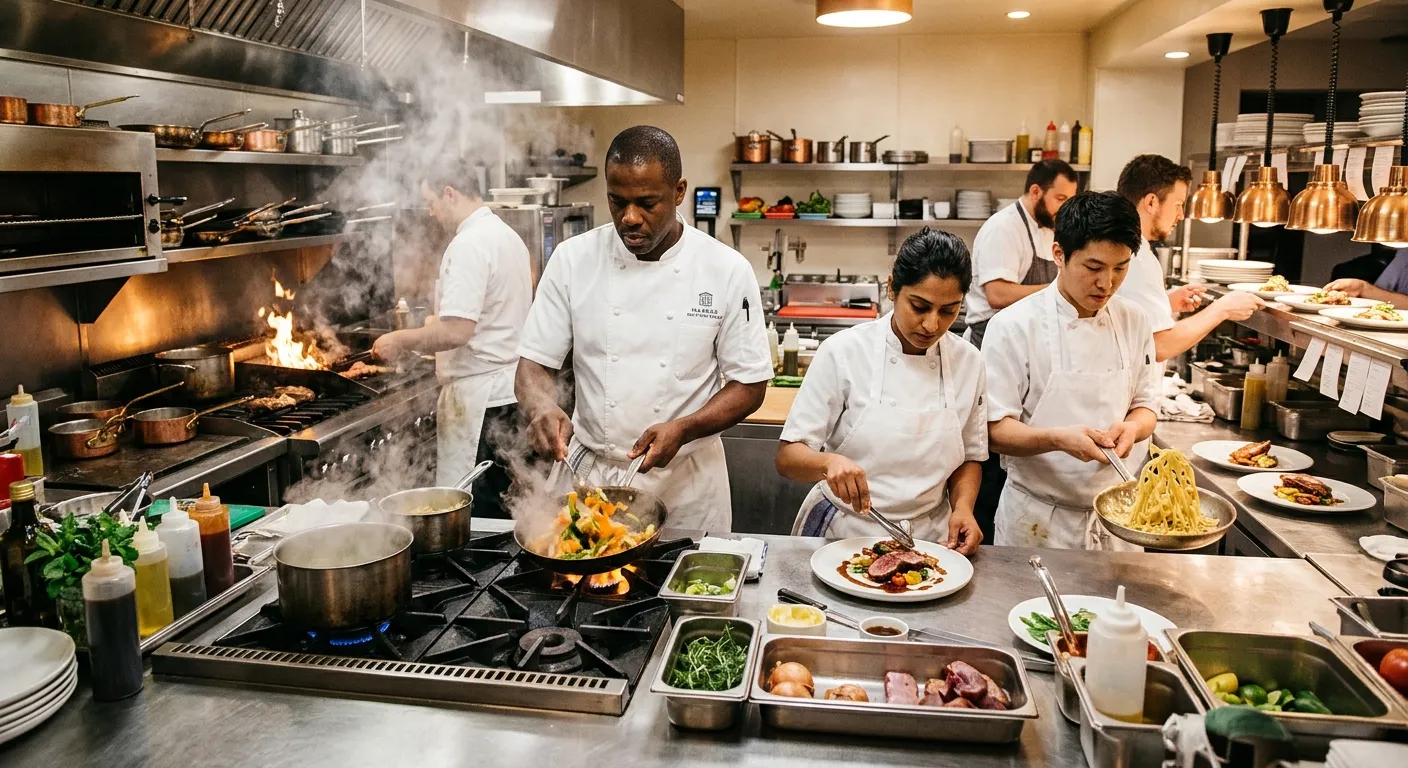
Elite Chefs Wanted: Your Ultimate Guide to Hiring Exceptional Culinary Talent
Navigate the competitive landscape of culinary recruitment. Discover proven strategies to find, attract, and secure the skilled chefs your restaurant needs to thrive, from sous chefs to visionary Head Chefs.
Post Your Chef Job TodayThe phrase"Chefs Wanted" is more than a classified ad; it's a critical signal in the vibrant, fast-paced ecosystem of the hospitality industry. For restaurant owners, hotel managers, and catering company directors, finding the right culinary talent is the single most important factor influencing menu success, team morale, and ultimately, profitability. Whether you're scaling for a seasonal rush, replacing a key role, or building a kitchen from the ground up, the challenge is universal. This comprehensive guide delves deep into the modern strategies for culinary recruitment, moving beyond traditional job boards to build a robust, reliable pipeline of exceptional chefs.
The search for"Restaurants Hiring Cooks Near Me" reflects a localized, urgent need. This demand is met by a sophisticated network of solutions, from specialized agencies to digital platforms. Understanding this ecosystem is your first step toward hiring success. For broader staffing needs beyond the kitchen, such as for large-scale events or logistics, resources like our guide on Winter Wonderland Staff Jobs or efficient Warehouse Jobs solutions can be invaluable for operational completeness.
Strategic Hiring Pathways for Culinary Talent
Choose the right hiring model for your kitchen's immediate needs and long-term vision. Each path offers distinct advantages.
The Permanent Culinary Hire
Building your core kitchen team with permanent chefs fosters stability, deepens menu expertise, and cultivates a strong kitchen culture. This is ideal for key roles like Head Chef, Sous Chef, and Chef de Partie where consistency and long-term vision are paramount.
Pros
- Investment in training and development pays long-term dividends.
- Stronger team cohesion and lower long-term turnover.
- Complete integration into your restaurant's brand and philosophy.
Cons & Considerations
- Longer recruitment timeline and higher upfront costs.
- Rigidity in scaling down during off-peak seasons.
- Requires a robust, forward-looking strategic hiring plan.
Flexible Temporary & Seasonal Chefs
For covering holidays, sick leave, or managing the intense demand of peak seasons and large events, temporary chefs are indispensable. This model offers unparalleled flexibility. It's perfectly suited for event catering, holiday rushes, or as interim cover during a permanent search.
Best Use Cases
- Seasonal festivals and pop-up restaurants.
- Cover for parental or medical leave.
- Specific high-volume events requiring extra hands.
How to Access Talent
- Partner with a specialized Temporary Catering Staff Agency.
- Utilize platforms dedicated to Event Catering Staff.
- For urgent needs, similar to short-term catering job postings.
The Temp-to-Perm"Try Before You Buy" Model
This low-risk, high-reward approach allows you to evaluate a chef's skills, attitude, and team fit in a real-world kitchen environment before making a permanent commitment. It significantly reduces hiring missteps.
Pro Tip: Use a defined evaluation period (e.g., 4-12 weeks) with clear, mutually agreed-upon performance criteria. This transforms a trial from a passive observation into an active assessment, setting the chef up for success and giving you concrete data for your decision.
Leveraging Specialist Recruitment Agencies
Agencies like a dedicated Kitchen Staff Recruitment Agency in London or those offering Hotel Staffing Solutions provide expertise, pre-vetted candidates, and manage the administrative burden of recruitment. They have deep networks and understand the specific nuances of culinary roles.
When to Use an Agency
- For hard-to-fill, highly specialized roles (e.g., Pastry Chef, Michelin-starred Sous Chef).
- When internal HR bandwidth is limited.
- To ensure compliance and smooth payroll for temporary staff.
Choosing the Right Partner
- Look for agencies with specific hospitality and catering verticals.
- Ask about their vetting process and candidate pool.
- Understand their fee structure and guarantees. For broader recruitment strategy insights, consider recruitment outsourcing models.
Why Top Restaurants Succeed in Hiring Chefs
Beyond posting a job ad, successful hiring is built on a foundation of strategy, brand, and process.
Compelling Employer Branding
Top chefs choose workplaces that inspire. Showcase your kitchen's culture, commitment to quality ingredients, career development opportunities, and work-life balance. Your restaurant's story is a powerful recruitment tool.
Streamlined Hiring Process
Lengthy, disorganized hiring loses candidates. Implement a clear, respectful, and efficient process: prompt communication, a structured stage (practical trial) that respects the candidate's time, and quick decision-making post-interview.
Competitive & Transparent Packages
Beyond salary, detail the entire offering: bonus structures, health benefits, staff meals, paid time off, and continuous training. Transparency from the first job description builds trust and attracts serious professionals.
Proactive Talent Pipelining
Don't wait for a vacancy to open. Engage with culinary schools, attend industry events, and maintain relationships with past applicants and high-performing temporary staff. Build a talent community you can tap into when needed.
Leverage Specialized Networks
Utilize platforms dedicated to Catering Jobs and Hospitality careers. These niche sites attract motivated, industry-specific candidates, increasing the quality of applicants over general job boards.
Master the Practical Stage
The kitchen trial is your most critical assessment tool. Design it to test specific, relevant skills under realistic (but fair) pressure. Provide clear feedback afterwards, regardless of the outcome, to maintain a positive reputation in the chef community.
Crafting the Irresistible"Chefs Wanted" Advertisement
Your job advertisement is your first point of contact with potential candidates. It must capture attention, convey your culture, and filter for the right fit.
Essential Components of a High-Converting Ad
- 1 Keyword-Rich, Descriptive Title: Use"Chefs Wanted" but be specific."Sous Chef Wanted for Modern European Fine Dining" or"Urgent: Experienced Line Cooks for High-Volume Steakhouse" immediately targets the right talent.
- 2 The Hook - Your Restaurant's Story: Start with 2-3 sentences about your philosophy, your team, and what makes your kitchen unique. Are you committed to zero waste? Do you source hyper-locally? Say it upfront.
- 3 Clear, Detailed Responsibilities: Move beyond"prep and cook." Describe specific stations, menu development involvement, team leadership duties, and service expectations.
- 4 Non-Negotiable Requirements & Nice-to-Haves: Be explicit about necessary certifications (e.g., Food Hygiene Level 3), years of experience, and physical demands. Separate these from desirable skills like pastry expertise or wine knowledge.
- 5 The Full Package (Not Just Salary): List the salary range transparently. Then detail benefits: health insurance, staff meals, discount schemes, training budgets, bonus potential, and holiday allowance.
- 6 Clear Call-to-Action: Instruct exactly how to apply."Send your CV and cover letter via the link below" or"Email [email protected] with the subject 'Sous Chef Application.'"
Advertisement Checklist
- Keywords optimized for search?
- Culture and story highlighted?
- Salary & benefits transparent?
- Application process clear?
- Mobile-friendly formatting?
Localized Search:"Restaurants Hiring Cooks Near Me"
Many candidates use geographically specific searches. To capture this local talent:
- Include Location Prominently: In the title and body. Mention the neighborhood or borough for major cities.
- Highlight Commuting Advantages: Near specific tube lines, with parking available, or close to major transport hubs.
- Engage with the Local Community: Post in local Facebook groups, partner with nearby culinary schools, and use local online publications. The same principle applies when seeking other local trades, like finding an immediate start painter in Gatwick.
Mastering the Interview & Practical Assessment
The interview and trial are where you separate culinary skill from culinary artistry, and assess team fit.
Structuring the Chef Interview
- Behavioral Questions:"Describe a time you made a critical mistake during service. How did you handle it?" These reveal problem-solving, accountability, and grace under pressure.
- Philosophy & Creativity:"How would you approach designing a seasonal vegetarian tasting menu?" or"What's your process for building a new dish from an inspiration ingredient?"
- Scenario-Based Questions:"If two key ingredients for tonight's special don't arrive, what's your immediate action plan?" Tests adaptability and resourcefulness.
- Team & Leadership: For senior roles:"How do you give constructive feedback to a struggling commis chef?" or"Describe your approach to managing kitchen conflict."
Designing an Effective Practical Stage
The trial shift must be fair, legal (paid, where required), and informative.
- Set a Clear Brief:"We'd like you to prepare the mise en place for the fish station and then work the pass during a simulated lunch service for these three dishes."
- Keep it Time-Bound: 2-4 hours is standard for a meaningful assessment without exploitation.
- Involve the Team: Have the prospective sous chef or other line cooks provide discreet feedback on collaboration and communication.
- Observe Beyond Technique: Note organization, cleanliness, time management, and how they treat other staff.
Post-Trial Protocol
Always, always provide feedback. A simple email or call within 48 hours is professional and respectful, even if the candidate was not successful. It protects your restaurant's reputation and keeps the door open for future possibilities. For a deeper dive into modern, flexible hiring practices that can inform your overall strategy, explore our Guide to Temporary Agency Work.
"Thank you for your time in our kitchen yesterday. While we were impressed with your [mention a specific positive], we've decided to proceed with a candidate whose experience aligns more closely with our current needs. We will keep your details on file."
Frequently Asked Questions: Hiring Chefs
Quick answers to common challenges in culinary recruitment.
The timeline varies significantly by role and market. For a Line Cook, with an efficient process, you could hire within 2-3 weeks. For a Head Chef, the search, interview, negotiation, and notice period can easily span 2-4 months. Using a specialized agency can compress the initial sourcing phase, while having a strong talent pipeline ready can cut weeks off the process. Urgent needs can be met through temporary staffing solutions, similar to filling urgent driver roles, but permanent key hires require patience.
- Prioritizing Speed Over Fit: Hiring the first available candidate to fill a gap often leads to quicker turnover.
- Vague Job Descriptions: Attracting mismatched applicants wastes everyone's time.
- Poorly Managed Practical Stage: An unstructured or overly harsh trial doesn't accurately assess skills and can deter good candidates.
- Neglecting Soft Skills: A chef with perfect technique but a toxic attitude can destroy team morale.
- Not Checking References Thoroughly: Speak directly to former employers to verify experience and work ethic.
This is a classic hiring dilemma. In most cases, attitude and cultural fit are more important than specific experience for all but the most technically specialized roles. A passionate, eager-to-learn, team-oriented cook can be trained on your specific menus and systems. A highly skilled chef with a negative attitude or poor teamwork will undermine your kitchen's culture and is very difficult to change. For mid-level roles, a blend is ideal, but never underestimate the power of a positive, hard-working mindset.
Proactive outreach is key. Partner with culinary schools and training programs that serve diverse communities. Use imagery in your job ads that reflects an inclusive team. Ensure your interview panel is diverse. Use gender-neutral language in job descriptions and focus on objective skills. Actively combat unconscious bias in your hiring process by using structured interview questions and scorecards. Showcase your commitment to inclusivity in your company values.
Use a multi-channel approach: 1. Specialized Hospitality Job Boards: Like Catering.jobs, which attract dedicated professionals. 2. General Job Boards: For wider reach, but expect more sifting. 3. Social Media: Instagram and LinkedIn are powerful for showcasing your kitchen culture and reaching passive candidates. 4. Industry Networks & Agencies: For executive roles, a specialized catering recruitment partner is often most effective. The optimal mix depends on your role, budget, and timeline.
Ready to Transform Your Kitchen Team?
Stop searching and start hiring. The perfect chef for your restaurant is out there. With a strategic approach, a compelling offer, and the right platform, you can turn the challenge of"Chefs Wanted" into your next great success story.
Need strategic hiring advice? Explore our Blogs and Recruitment Solutions for deeper insights.