Dishwasher Role in Blackburn – Immediate Start June 2025
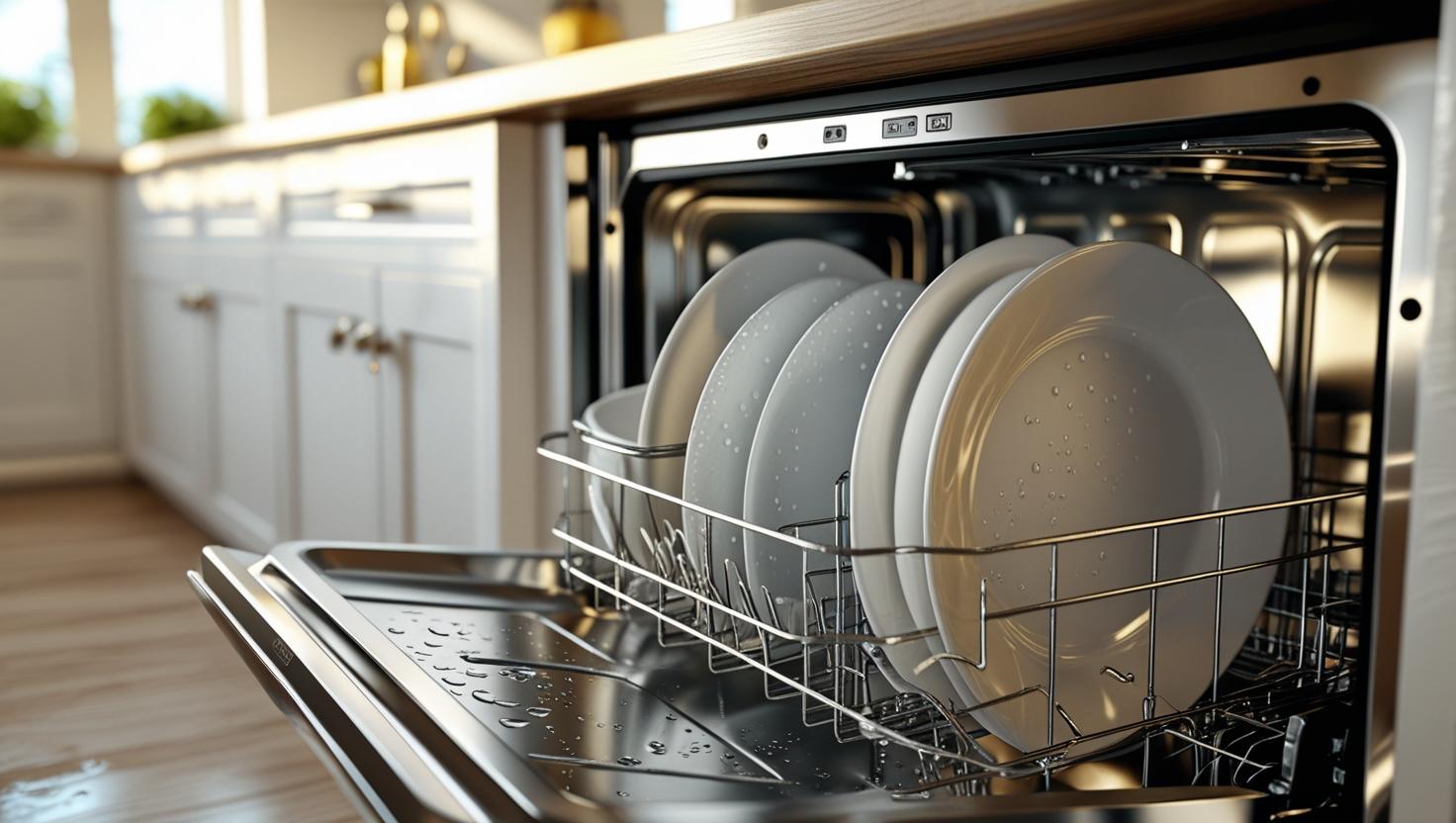
Job Title: Dishwasher
Location: Blackburn
Job Overview
We are seeking a reliable and efficient Dishwasher to join our team in Blackburn. As a Dishwasher, you will play a crucial role in maintaining kitchen cleanliness and ensuring a smooth operation of food service by cleaning and sanitizing dishes, utensils, and kitchen equipment.
Main Responsibilities
* Clean and sanitize all dishes, glassware, cutlery, pots, and pans using dishwashing equipment and manual washing methods
* Maintain cleanliness of the dish station, kitchen equipment, and work areas
* Empty and clean waste bins and dispose of rubbish appropriately
* Assist with basic food preparation tasks when required
* Ensure all cleaned items are stored in their designated areas
* Report any broken or damaged kitchen equipment to management
* Follow all health, safety, and hygiene regulations
* Assist other kitchen staff during busy periods as needed
* Maintain adequate levels of cleaning supplies and report shortages
Required Skills & Qualifications
* Basic understanding of kitchen health and safety regulations
* Physical stamina to stand for extended periods and lift items up to 15kg
* Ability to work efficiently in a fast-paced environment
* Good time management skills
* Basic food hygiene awareness
* Reliable and punctual work ethic
* Ability to follow instructions accurately
* Good communication skills
* Attention to detail
Experience
* Previous experience as a dishwasher or kitchen porter is preferred but not essential
* Entry-level candidates with a willingness to learn will be considered
* Experience working in a busy kitchen environment is beneficial
Types of Dishwasher Roles in Blackburn
Restaurant Dishwasher
**Pay Rate:** £9.50-£10.50 per hour
**Hours:** Typically evening and weekend shifts
**Environment:** Fast-paced restaurant kitchens
Hotel Dishwasher
**Pay Rate:** £10.00-£11.00 per hour
**Hours:** Various shifts including mornings, evenings, and weekends
**Environment:** Hotel kitchen with potential for larger volume during events
Pub/Bar Dishwasher
**Pay Rate:** £9.50-£10.00 per hour
**Hours:** Evening and weekend shifts, potentially late nights
**Environment:** Casual dining with focus on glassware and bar equipment
Catering Company Dishwasher
**Pay Rate:** £10.00-£12.00 per hour
**Hours:** Variable depending on events, may include weekends
**Environment:** Event-based work with periods of high intensity
Hospital/Care Home Dishwasher
**Pay Rate:** £10.50-£11.50 per hour
**Hours:** Regular daytime shifts, potential for rotation
**Environment:** Institutional setting with strict hygiene protocols
Benefits
* Potential for free or discounted meals during shifts
* Opportunity to learn about kitchen operations
* Training and development opportunities for those interested in culinary careers
* Flexible scheduling options available in some positions
Working Hours
Typically 20-40 hours per week, including evenings, weekends, and holidays depending on the establishment.
Apply today to join our team and help maintain the high standards of our kitchen operations!
The Evolution of Dishwashing: From Hand Scrubbing to Modern Appliances
In the bustling kitchens of Blackburn, the role of a dishwasher has transformed dramatically over the years. What once was a task completed solely by hand has now evolved into a position that combines traditional cleaning methods with sophisticated machinery. This evolution reflects broader changes in the hospitality industry, particularly in how restaurants and catering establishments manage their kitchen operations. The dishwasher position, often overlooked but critically important, serves as the backbone of any successful food service operation in Blackburn’s vibrant culinary scene.
Dishwashers in Blackburn work in various establishments, from cozy cafés to upscale restaurants, hotel kitchens, and institutional settings like schools and hospitals. Their primary responsibility remains consistent across these environments: ensuring that all tableware, cookware, and kitchen utensils are properly cleaned and sanitized for future use. However, the specific demands, working conditions, and technological support vary significantly depending on the establishment’s size, prestige, and culinary focus.
This comprehensive exploration of the dishwasher role in Blackburn examines the historical context, job responsibilities, challenges, technological advancements, economic implications, and future prospects of this essential position. By understanding the multifaceted nature of dishwashing work, we can better appreciate its significance to Blackburn’s hospitality industry and the individuals who perform this vital function daily.
Historical Context of Dishwashing in Blackburn’s Hospitality Industry
Blackburn’s rich industrial history has significantly influenced the development of its hospitality sector. As a prominent mill town during the Industrial Revolution, Blackburn saw the emergence of numerous eateries to serve its growing working population. In these early establishments, dishwashing was a manual, labor-intensive task, typically assigned to the lowest-ranking kitchen staff or apprentices.
During the mid-20th century, as Blackburn transitioned from its textile-focused economy, the hospitality industry began to expand and diversify. Local restaurants, pubs, and hotels adopted mechanical dishwashing technologies that had been developed in the post-war era. These early commercial dishwashers were rudimentary compared to today’s models but represented a significant advancement in kitchen efficiency.
By the 1980s and 1990s, as Blackburn worked to reinvent its economy following industrial decline, the food service sector became increasingly important. Modern restaurant kitchens began to feature more sophisticated dishwashing stations, with specialized equipment for different cleaning needs. This period also saw the role of the dishwasher become more defined as a specific position rather than simply a task assigned to junior staff.
Today’s dishwashing operations in Blackburn reflect both this historical progression and the influence of modern hospitality standards. Many establishments maintain a blend of traditional and contemporary approaches, with human dishwashers working alongside increasingly advanced machinery. This evolution continues to shape the expectations, working conditions, and skill requirements for those entering the profession in Blackburn’s diverse culinary landscape.
Primary Responsibilities of a Dishwasher in Blackburn Establishments
The primary function of dishwashers in Blackburn establishments revolves around cleaning and sanitizing, but the role encompasses a variety of specific responsibilities that contribute to kitchen operations. First and foremost, dishwashers must properly sort incoming dirty dishes, removing food waste and organizing items according to their cleaning requirements. This preliminary step is crucial for efficient processing and preventing damage to delicate items.
Operating commercial dishwashing machines constitutes a significant portion of the job. This includes loading racks correctly, selecting appropriate wash cycles, monitoring water temperature and detergent levels, and ensuring that items emerge properly cleaned and sanitized. For items that cannot go through the machine, dishwashers must perform manual washing according to food safety standards, often using three-compartment sinks for washing, rinsing, and sanitizing.
Beyond cleaning tableware, dishwashers in Blackburn are frequently responsible for maintaining cookware and kitchen equipment. Large pots, pans, and specialized cooking implements require careful handling and often need to be scrubbed manually to remove stubborn food residue. Additionally, dishwashers may be tasked with cleaning food preparation surfaces, floors, and other kitchen areas, particularly during slower periods or at closing time.
Organization and storage of clean items represent another key responsibility. Dishwashers must ensure that clean dishes, glassware, and utensils are properly dried and stored in designated areas, ready for service staff to access. This aspect of the job requires knowledge of the kitchen’s organization system and attention to detail to prevent cross-contamination or breakage.
In many Blackburn establishments, particularly smaller operations, dishwashers take on supplementary duties that support overall kitchen functionality. These may include basic food preparation tasks, receiving and storing deliveries, managing waste disposal, and assisting with inventory control. This versatility makes dishwashers valuable team members who contribute to multiple aspects of kitchen operations.
Working Conditions and Environment
The working environment for dishwashers in Blackburn varies considerably depending on the establishment, but certain conditions are common across the industry. Physically, dishwashing areas are typically hot, humid, and sometimes cramped spaces. Commercial dishwashing machines generate significant heat and steam, creating challenging working conditions, particularly during busy service periods. Ventilation quality differs dramatically between newer, purpose-built kitchens and older facilities that may have been adapted for food service.
Physical demands constitute a defining aspect of the dishwasher role. The job requires standing for extended periods, often on wet floors that can be slippery despite safety precautions. Dishwashers regularly lift heavy stacks of plates, pots, and trays, sometimes weighing 20 kilograms or more. Repetitive movements, such as scrubbing and racking dishes, can lead to strain injuries if proper techniques are not employed. These physical challenges make dishwashing one of the more physically demanding positions in the hospitality industry.
Work schedules for dishwashers in Blackburn typically align with restaurant operating hours, which often include evenings, weekends, and holidays. Shift lengths vary but commonly range from 6 to 10 hours, with potential for longer shifts during special events or particularly busy periods. Part-time positions are common, making the role accessible to students or those with other commitments, while full-time dishwashers may work 40 hours or more per week across varying schedules.
The social environment in dishwashing positions reflects the hierarchical nature of kitchen operations. Dishwashers typically occupy entry-level positions in the kitchen brigade, reporting to kitchen managers or chefs. While this can sometimes create status disparities, many Blackburn establishments foster inclusive team cultures where dishwashers are recognized as essential contributors to kitchen success. The multicultural nature of Blackburn’s hospitality workforce also influences the social dynamics, with dishwashing positions often providing opportunities for recent immigrants to enter the local job market.
Safety considerations are paramount in dishwashing environments. Common hazards include wet floors, sharp objects, hot surfaces, and chemical cleaning agents. Responsible establishments provide safety training, protective equipment such as gloves and non-slip footwear, and clearly established protocols for handling dangerous situations. compliance with health and safety regulations varies across Blackburn establishments, with larger operations generally maintaining more formal safety programs.
Skills and Qualifications Required
While dishwashing is often considered an entry-level position requiring minimal formal qualifications, successful dishwashers in Blackburn possess a range of important skills and attributes. The formal education requirements are typically minimal, with most employers requiring basic literacy and numeracy skills rather than specific academic qualifications. This accessibility makes the role an important entry point into the workforce for various demographics, including young people entering the job market and those transitioning from other industries.
Physical capabilities represent some of the most essential requirements for the role. Dishwashers need stamina for long periods of standing and working in hot environments, strength for lifting heavy items, and dexterity for handling delicate glassware and utensils. The ability to work at a fast pace without compromising on quality is particularly valued during peak service periods when dishes accumulate rapidly.
Technical knowledge, while not extensive, includes understanding commercial dishwashing equipment operation, recognizing appropriate cleaning agents for different materials, and following proper sanitization protocols. Knowledge of food safety principles is increasingly important, with many Blackburn employers preferring candidates who have completed basic food hygiene certification, such as the Level 1 or 2 Food Safety Certificate.
Soft skills prove surprisingly important for dishwashing roles, despite the limited customer interaction. Time management abilities help dishwashers balance competing priorities during busy periods, while attention to detail ensures thorough cleaning of all items. Communication skills facilitate effective interaction with kitchen and wait staff, particularly regarding missing items or special cleaning requirements. Perhaps most importantly, dishwashers need resilience and a positive attitude to maintain effectiveness during high-pressure situations.
Career progression from dishwashing positions in Blackburn typically follows several pathways. Some dishwashers advance to prep cook positions, leveraging their familiarity with kitchen operations to take on basic food preparation tasks. Others may move into kitchen porter roles with broader responsibilities, while those interested in front-of-house work might transition to bussing or serving positions. For those who demonstrate reliability and strong work ethic, dishwashing can serve as a stepping stone to various hospitality careers, with some former dishwashers eventually advancing to management positions after gaining experience in other roles.
Technological Advancements in Commercial Dishwashing
The technology supporting dishwashing operations in Blackburn has evolved significantly in recent decades, transforming how the role is performed. Modern commercial dishwashing machines represent a substantial improvement over earlier models, with high-temperature systems that can sanitize dishes in as little as 90 seconds. These machines use less water and energy than previous generations while achieving superior cleaning results, addressing both environmental concerns and operational efficiency.
Specialized equipment has proliferated in Blackburn’s more sophisticated kitchens. Glass washers with gentler cycles protect delicate stemware, while pot washing machines handle heavily soiled cookware that previously required extensive manual scrubbing. Waste disposal systems have also advanced, with pulpers and dewatering units reducing the volume of food waste and making disposal more manageable and environmentally friendly.
Chemical innovations have significantly improved cleaning efficacy while addressing environmental and safety concerns. Modern detergents and sanitizers are formulated to be more effective at lower temperatures, reducing energy consumption. Many Blackburn establishments now use automated dispensing systems that ensure precise chemical measurements, preventing waste and ensuring consistent results while minimizing chemical handling by staff.
Water and energy efficiency have become increasingly important considerations in commercial dishwashing. Newer machines in Blackburn establishments employ features like heat recovery systems that capture steam and use it to preheat incoming water, reducing energy consumption. Low-flow nozzles and water recirculation systems minimize water usage, while improved insulation reduces heat loss during operation. These advancements not only reduce environmental impact but also lower operating costs for businesses.
The integration of digital technology is beginning to appear in high-end dishwashing operations across Blackburn. Systems with touchscreen interfaces provide easy programming of different wash cycles for various items. Some machines include diagnostic capabilities that alert staff to maintenance needs before breakdowns occur. In the most advanced kitchens, dishwashing equipment connects to broader kitchen management systems, allowing for tracking of water and energy consumption, detergent usage, and maintenance scheduling, providing valuable data for operational optimization.
Economic and Cultural Aspects of Dishwashing in Blackburn
The compensation structure for dishwashers in Blackburn reflects the entry-level nature of the position while showing some variations across different establishments. Hourly wages typically range from the National Minimum Wage to slightly above, with the average falling between £9 and £11 per hour as of 2023. Higher-end establishments may offer slightly better pay, particularly for experienced dishwashers who take on additional responsibilities. Benefits packages tend to be limited, though some larger operations provide paid time off, staff meals, and occasionally health benefits for full-time employees.
Labor market dynamics significantly influence the dishwashing profession in Blackburn. The position experiences relatively high turnover, creating consistent demand for new workers. Seasonal fluctuations affect employment opportunities, with increased hiring during summer tourist periods and the December holiday season. Recent years have seen some establishments facing difficulty filling dishwashing positions, particularly following Brexit and the COVID-19 pandemic, which disrupted traditional labor pools. This shortage has led some employers to improve wages and conditions to attract and retain staff.
Demographic patterns reflect the accessibility of dishwashing as an entry point to employment. Young people, including students seeking part-time work, constitute a significant portion of the dishwashing workforce. Immigrants, particularly those with limited English proficiency or awaiting credential recognition, often find dishwashing positions provide important employment opportunities. For some Blackburn residents, dishwashing serves as transitional employment during career changes or following periods of unemployment.
Cultural perceptions surrounding dishwashing work present a complex picture. While the position sometimes carries stigma as “just washing dishes,” many in Blackburn’s hospitality community recognize its essential nature and the specific skills involved. Cultural backgrounds influence how different communities view the role, with some seeing it as an honorable starting point for building a career, while others may consider it less desirable. These perceptions affect both who pursues dishwashing positions and how workers are treated within establishment hierarchies.
Economic mobility from dishwashing positions varies widely. For some, particularly students or those working part-time while pursuing education, dishwashing provides temporary income rather than career development. Others use the position as an entry point to hospitality careers, developing relationships and demonstrating reliability that leads to advancement opportunities. The economic trajectories of dishwashers in Blackburn depend significantly on individual circumstances, including education levels, language skills, immigration status, and personal career goals.

Challenges and Issues Facing Dishwashers
Physical health concerns represent significant challenges for dishwashers in Blackburn. Repetitive strain injuries affect many workers, particularly those who maintain poor ergonomic practices when lifting heavy objects or performing repetitive motions. Slips and falls on wet floors remain common despite safety measures, while burns from hot dishes, steam, or washing equipment occur regularly. Long-term exposure to dampness and cleaning chemicals can lead to skin conditions and respiratory issues for some workers, particularly in poorly ventilated facilities.
Psychological stressors also impact dishwashers’ wellbeing. The high-pressure environment during busy service periods creates significant stress, with dishwashers often feeling overwhelmed by the constant influx of dirty items. The sometimes isolated nature of the position, physically separated from other kitchen areas, can lead to feelings of exclusion from the broader team. Additionally, the perceived low status of the role within kitchen hierarchies may affect workers’ self-esteem and job satisfaction, particularly in establishments where organizational culture does not value all team members equally.
Work-life balance presents ongoing challenges, with irregular schedules and late-night shifts disrupting personal and family life. Many dishwashers in Blackburn work multiple jobs to achieve sufficient income, creating additional scheduling complications. For student dishwashers, balancing work hours with educational commitments proves particularly challenging during examination periods. These scheduling issues contribute to the high turnover rates common in dishwashing positions across Blackburn.
Legal and regulatory concerns include compliance with minimum wage requirements, proper documentation of working hours, and adherence to breaks mandated by UK labor laws. For non-British dishwashers, work permit and visa requirements create additional complications, particularly following Brexit-related changes to immigration policies. Health and safety regulations require proper training and equipment provision, though enforcement varies across establishments.
Industry-wide issues affect dishwashers throughout Blackburn’s hospitality sector. Labor shortages have increased pressure on existing dishwashing staff in many establishments, sometimes resulting in mandatory overtime or expanded responsibilities without corresponding compensation increases. The seasonal nature of hospitality demand creates employment instability, with some dishwashers facing reduced hours or layoffs during slower periods. Additionally, the COVID-19 pandemic dramatically affected the industry, with many dishwashers experiencing extended furloughs or job losses during lockdown periods, and returning to changed working conditions with enhanced sanitization requirements.
Best Practices and Innovations in Dishwashing Management
Progressive Blackburn establishments have implemented various strategies to improve dishwashing operations and address common challenges. Training and development programs represent a significant advancement, with structured onboarding processes that cover not only technical aspects of the role but also safety protocols and workplace expectations. Some establishments have developed visual guides and checklists that help dishwashers maintain consistent procedures even during busy periods. Regular refresher training on equipment operation and cleaning products ensures that staff remain current with best practices and new technologies.
Ergonomic improvements have made substantial differences in physical working conditions. Height-adjustable sinks reduce back strain, while anti-fatigue mats minimize the impact of standing on hard floors for extended periods. Some Blackburn kitchens have reconfigured dishwashing stations to improve workflow, reducing unnecessary movement and creating more efficient processes. Proper organization of clean and dirty dish areas helps prevent cross-contamination while improving overall efficiency.
Team integration efforts help address the psychological challenges of dishwashing roles. Including dishwashers in pre-service briefings and post-service debriefs creates a sense of inclusion in the broader kitchen team. Some establishments have implemented rotation systems where staff occasionally work in different positions, fostering mutual appreciation for various roles. Regular team meals and social events help build camaraderie across positions, while recognition programs acknowledge dishwashers’ contributions to overall kitchen success.
Scheduling innovations address work-life balance concerns for many dishwashers in Blackburn. Advance scheduling practices give workers more predictability for personal planning, while flexible scheduling options accommodate students’ changing class schedules. Split-shift arrangements provide coverage during peak periods while reducing individual shift lengths, and some establishments have implemented compressed workweek options that offer fewer but longer shifts to reduce commuting time and expenses.
Sustainability initiatives are increasingly prominent in dishwashing operations across Blackburn. Water conservation measures include low-flow pre-rinse spray valves and water recirculation systems, while energy efficiency is improved through better insulation and heat recovery systems. Many establishments have shifted to biodegradable cleaning products that reduce environmental impact without compromising sanitization. Waste management programs focus on proper food waste disposal, with some operations implementing composting systems or partnering with food waste collection services. These environmentally conscious practices not only reduce operational costs but also appeal to employees and customers who prioritize sustainability.
The Future of Dishwashing in Blackburn
Technological trends point toward continued evolution in dishwashing operations across Blackburn. Automation will likely increase, with more sophisticated machines handling a greater proportion of cleaning tasks. Some high-volume establishments may eventually adopt robotic systems for loading and unloading dishwashers, though complete automation remains unlikely for most operations in the near term. Digital monitoring technologies will become more prevalent, with systems tracking water usage, chemical consumption, and machine performance to optimize operations.
Labor market projections suggest continued challenges in staffing dishwashing positions. Brexit-related immigration changes have reduced the available workforce, while demographic trends show fewer young people entering the hospitality industry. These factors may drive wage increases for dishwashing positions as employers compete for available workers. Alternative staffing models could emerge, such as shared dishwashing facilities serving multiple small restaurants in close proximity, or third-party dishwashing services that contract with establishments lacking in-house capacity.
Sustainability considerations will increasingly influence dishwashing practices in Blackburn. Water and energy consumption will face greater scrutiny as environmental regulations tighten and utility costs rise. Chemical usage will evolve toward more environmentally friendly formulations, potentially including plant-based alternatives to traditional sanitizing agents. Waste management will become more sophisticated, with better separation of organic material for composting or anaerobic digestion. These changes align with broader sustainability trends in Blackburn’s hospitality sector and reflect growing consumer expectations for environmentally responsible practices.
Skills development pathways may formalize to provide dishwashers with clearer career progression opportunities. Some Blackburn colleges and training providers could develop specific courses addressing commercial kitchen operations, including dishwashing techniques and related skills. Employers may create more structured advancement routes from dishwashing into food preparation or other kitchen roles, recognizing the value of retaining experienced staff. Industry associations might develop certification programs that acknowledge the professional nature of dishwashing work and provide recognizable credentials for career advancement.
Cultural perception shifts could gradually elevate the status of dishwashing work. Media attention to “behind the scenes” hospitality roles has increased in recent years, potentially raising awareness of dishwashers’ contributions. Some high-profile chefs and restaurateurs have begun purposefully acknowledging their dishwashing staff, helping to change industry norms around recognition. As labor shortages continue, employers may increasingly emphasize the essential nature of dishwashing work, further contributing to improved status and conditions for those in the role.
Conclusion
The dishwasher role in Blackburn represents far more than its sometimes overlooked status might suggest. As a fundamental component of the local hospitality ecosystem, dishwashing encompasses complex technical skills, physical demands, and interpersonal dynamics that collectively ensure the smooth operation of food service establishments across the city. The historical evolution of the position reflects broader changes in Blackburn’s economic landscape, while current practices demonstrate the ongoing adaptation to technological, environmental, and social developments.
The challenges facing dishwashers in Blackburn—physical strain, psychological pressure, scheduling difficulties, and sometimes inadequate compensation—require continued attention from employers, industry associations, and policymakers. The most progressive establishments have recognized that improving conditions for dishwashing staff yields benefits in retention, productivity, and overall kitchen harmony. These best practices provide a roadmap for others seeking to enhance their dishwashing operations while supporting the wellbeing of those who perform this essential work.
Looking forward, the dishwashing role in Blackburn will likely continue to evolve through technological advancement, changing labor market dynamics, and increasing emphasis on sustainable practices. While some aspects of dishwashing may become automated, the fundamental need for human intervention in kitchen cleaning operations will persist, ensuring ongoing employment opportunities in this field. The future may well see increased recognition of dishwashing as a skilled profession worthy of appropriate compensation and respect.
Throughout Blackburn’s diverse hospitality establishments, from neighborhood pubs to fine dining restaurants, dishwashers remain the unsung heroes whose work enables the culinary experiences enjoyed by thousands of customers daily. Their contribution, though often behind the scenes, creates the foundation upon which Blackburn’s vibrant food service industry continues to build and thrive. As one veteran chef in Blackburn aptly stated, “Without a good dishwasher, even the finest restaurant quickly grinds to a halt.” This fundamental truth underscores the enduring importance of dishwashing professionals in Blackburn’s hospitality landscape.
FAQs – Find Dishwasher Role in Blackburn with Team Catering
What responsibilities come with the dishwasher role?
Duties include washing dishes, utensils and kitchen equipment, maintaining cleanliness of the dishwashing area, assisting with basic food prep when needed, and ensuring proper sanitization standards are met.
What hours should I expect to work?
Most positions involve evening and weekend shifts. Part-time and full-time options are typically available with shifts ranging from 4-8 hours.
Is previous experience required?
Prior dishwashing experience is beneficial but not always mandatory. Most establishments provide on-the-job training for enthusiastic candidates with a strong work ethic.
What is the typical pay rate?
Pay generally starts at minimum wage with potential increases based on experience and performance. Some establishments offer meal benefits during shifts.
What skills are most important for success?
Key skills include physical stamina (for standing long periods), attention to detail (ensuring proper sanitization), ability to work in fast-paced environments, basic time management, and being a reliable team player.

